
Pain and swelling
Symptoms may be localised to the thumb, centre or little-finger side.
Not every painful wrist after a fall is “just a sprain.” Persistent pain, clicking, weakness or a sense that the wrist shifts can signal a ligament injury that needs accurate diagnosis and a structured recovery plan.

Stretching or tearing of one or more wrist ligaments.
Pain that persists, worsens or limits loading after the expected recovery period.
Examination and X-rays first, with MRI, CT or arthroscopy when indicated.
Protection and therapy for stable injuries; repair or reconstruction for selected instability.
A wrist sprain occurs when a ligament is stretched or torn. Because the wrist contains many small joints and stabilising ligaments, the severity can range from a mild soft-tissue injury to a major unstable disruption.
A scaphoid fracture, TFCC tear or scapholunate injury can initially resemble a sprain. Persistent symptoms need review so that a hidden injury is not missed.
Symptoms vary with the injured wrist structure and how long function has been affected. Persistent pain, clicking, stiffness, weakness or instability deserves specialist assessment.
Symptoms may be localised to the thumb, centre or little-finger side.
Pushing up from a chair or gripping may hurt.
A mechanical sensation may indicate instability.
Stiffness can follow both injury and prolonged immobilisation.
The wrist may feel unreliable when lifting.
A hidden fracture or ligament injury may still be present.
A useful consultation connects pain location, stability, imaging and function to the exact wrist structure—not just the label.
The most common mechanism stretches wrist ligaments under load.
A forceful torque can injure the TFCC or other stabilisers.
Impact, press-ups, racquet sports and gymnastics can strain the wrist.
Tools, machinery or a sudden load can injure multiple structures.
The task is to identify the injured structure and determine whether the wrist is stable. A generic “sprain” label is not enough when symptoms persist.
Tenderness, motion, loading pain and stability are mapped.
Fractures and obvious changes in alignment are assessed.
Advanced imaging is chosen according to the suspected structure.
Some injuries become clearer once swelling settles or under stress views.
Surgery is not automatic. Treatment is matched to pain, stability, cartilage condition, imaging and the patient’s goals.
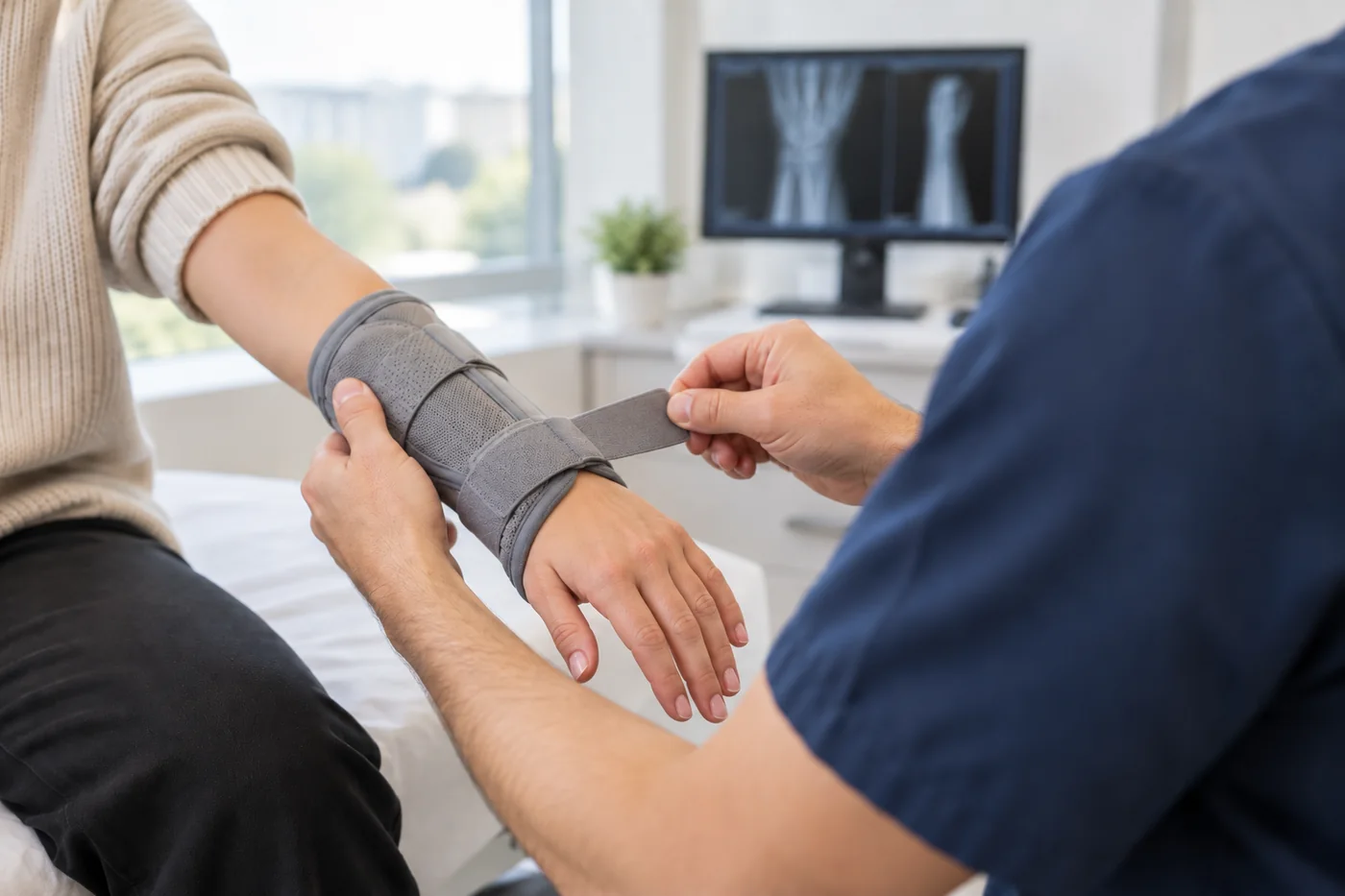
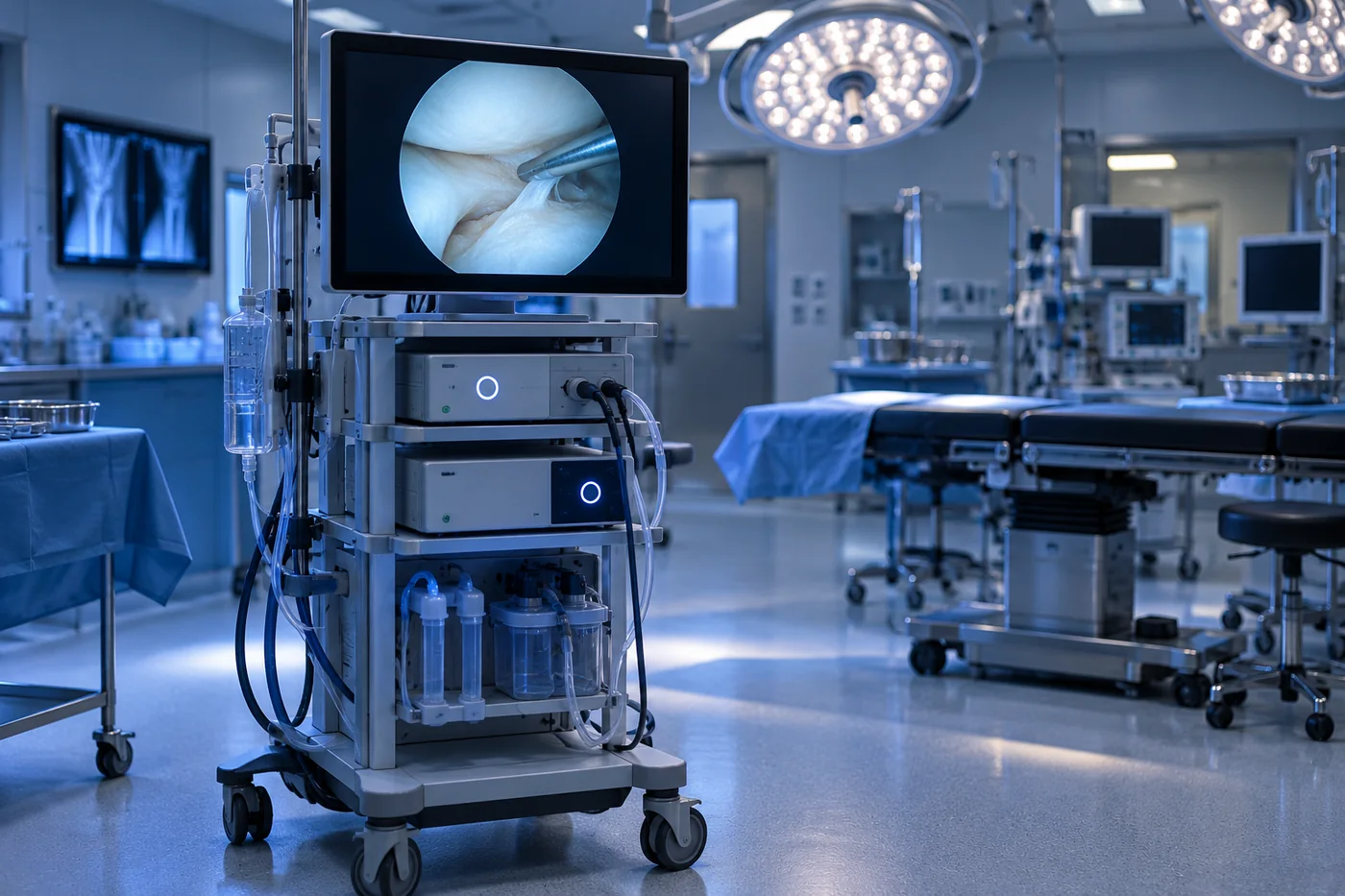
Most stable sprains do not need surgery. Operative treatment is reserved for proven instability, a repairable major tear or persistent structural symptoms that do not respond to appropriate conservative care.
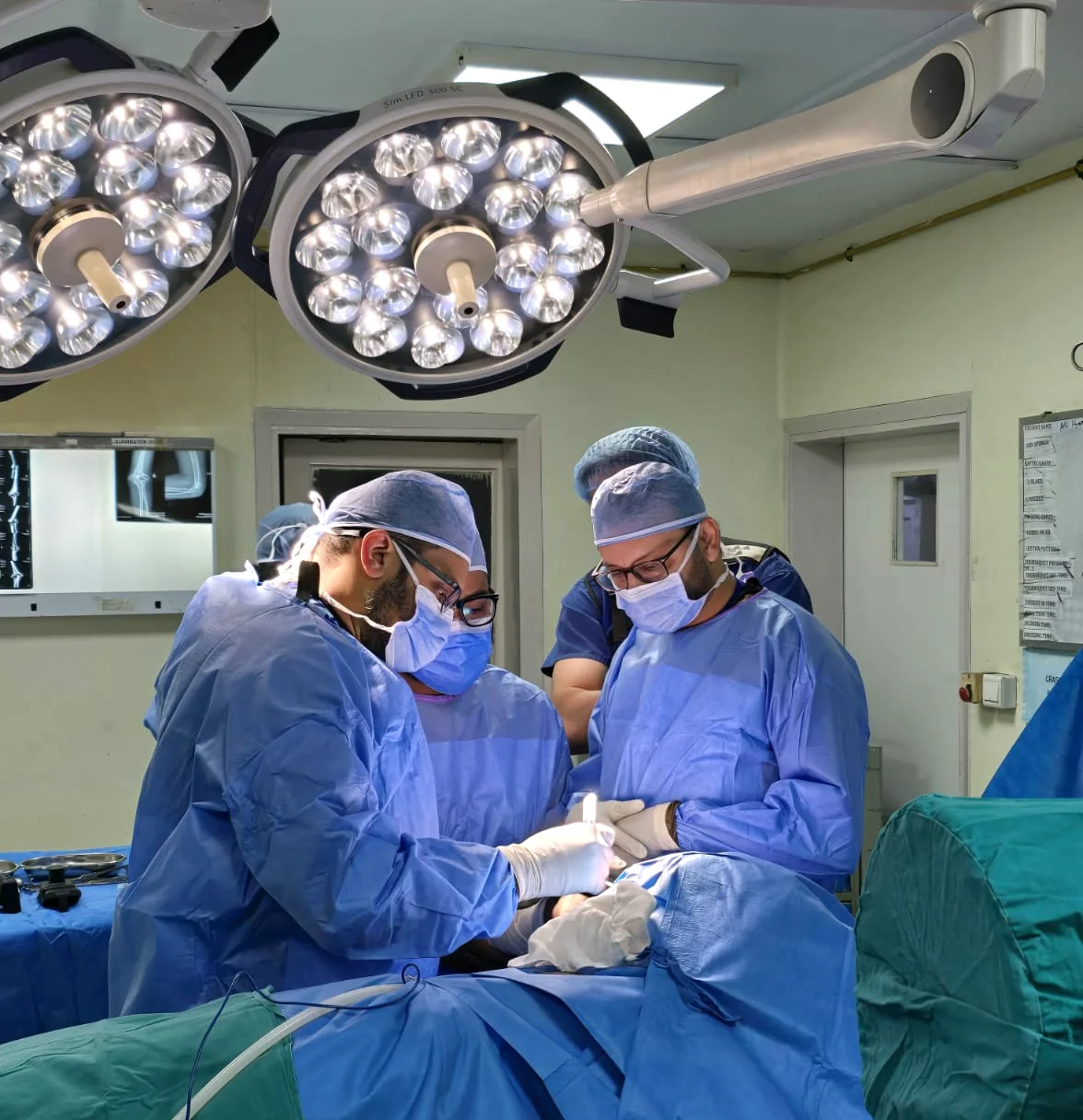
Timelines are guides only. The diagnosis, procedure, stability, cartilage condition, job and associated injuries all influence recovery.
Control swelling and protect the wrist while maintaining finger motion.
Stable injuries gradually regain motion and light use.
Strength and load tolerance progress when pain and stability allow.
Major ligament injuries or surgery require a longer staged return to work and sport.

 4.96/555 verified reviews
Dr Shoaib Arshad is a fellowship-trained consultant orthopaedic hand and wrist surgeon with UK specialist training and more than 17 years in orthopaedic surgery.
General information only. Your diagnosis and treatment plan should be based on an individual medical assessment.
Severe swelling, deformity, numbness, inability to load the wrist or pain that does not improve deserves assessment.
Yes. X-rays show bone and alignment; MRI, stress views or arthroscopy may be needed for soft-tissue injury.
A brace can help early, but prolonged use without a plan may contribute to stiffness and weakness. Duration should match the injury.
Return is based on pain-free motion, stability and load tolerance rather than a fixed date.
Dr Arshad sees private patients at The Highfield Hospital, Manchester Road, Rochdale OL11 4LZ — within easy reach of Manchester, Oldham, Bury, Bolton and the wider North West. You can book online through Circle Health Group, call +44 7443 213645, or send an enquiry and the team will help.
Request a specialist consultation and bring any previous X-rays, MRI scans, reports, braces or treatment information.