History and function
Which tasks hurt, what has changed and how quickly the problem is progressing.
Thumb pain, stiff finger joints, a palm cord or a new lump can affect grip, dexterity and confidence. This guide helps patients find the right starting point—from diagnosis and hand therapy to injection or surgery when appropriate.
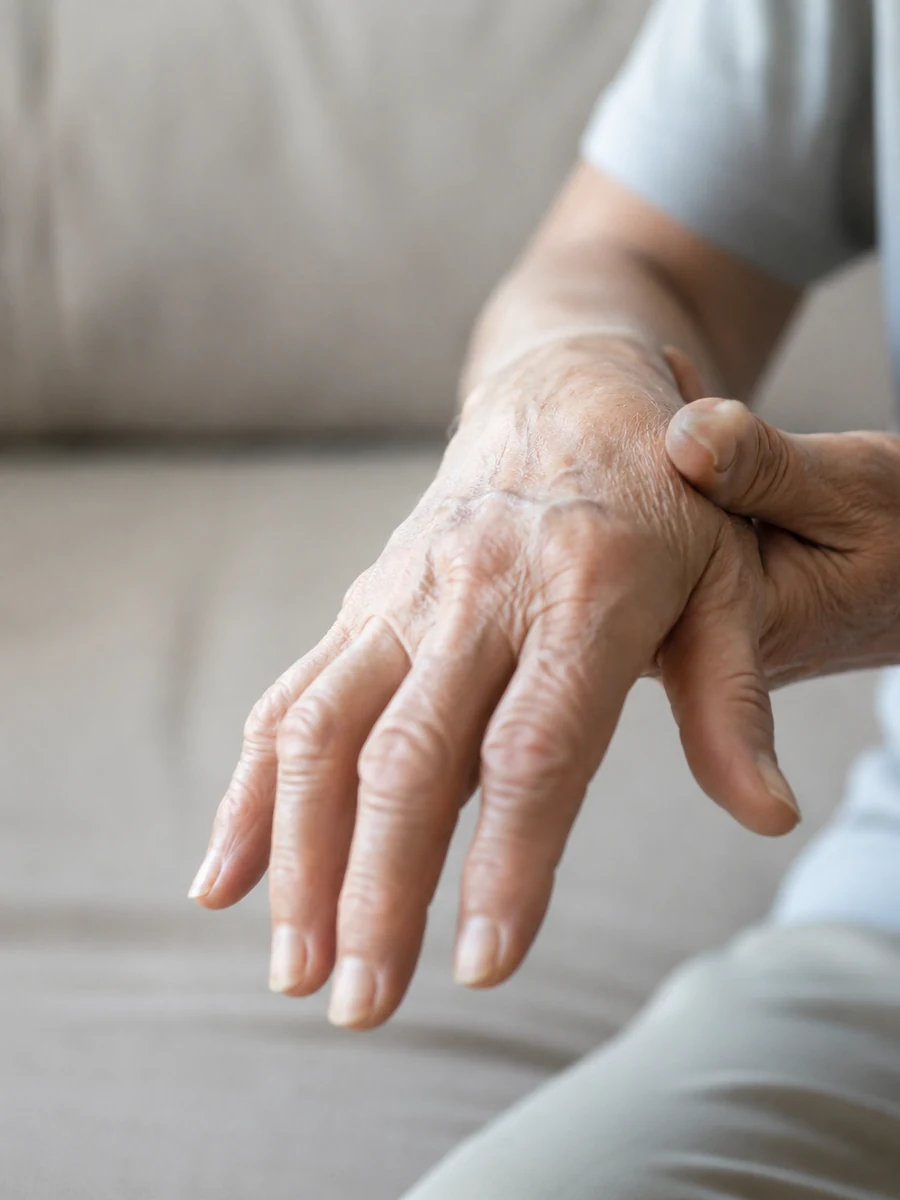 Thumb-base painFinger stiffnessPalm cord or lump
Choose the pattern that sounds closest. This guide supports navigation, not diagnosis.
This pattern can fit thumb CMC arthritis, although nearby tendons and wrist structures can produce similar pain.
Explore thumb arthritis treatment ↗Each card opens a detailed patient guide covering symptoms, diagnosis, treatment options, surgery when needed and recovery.
01Pain with opening jars, pinching and turning keys.
Explore patient guide ↗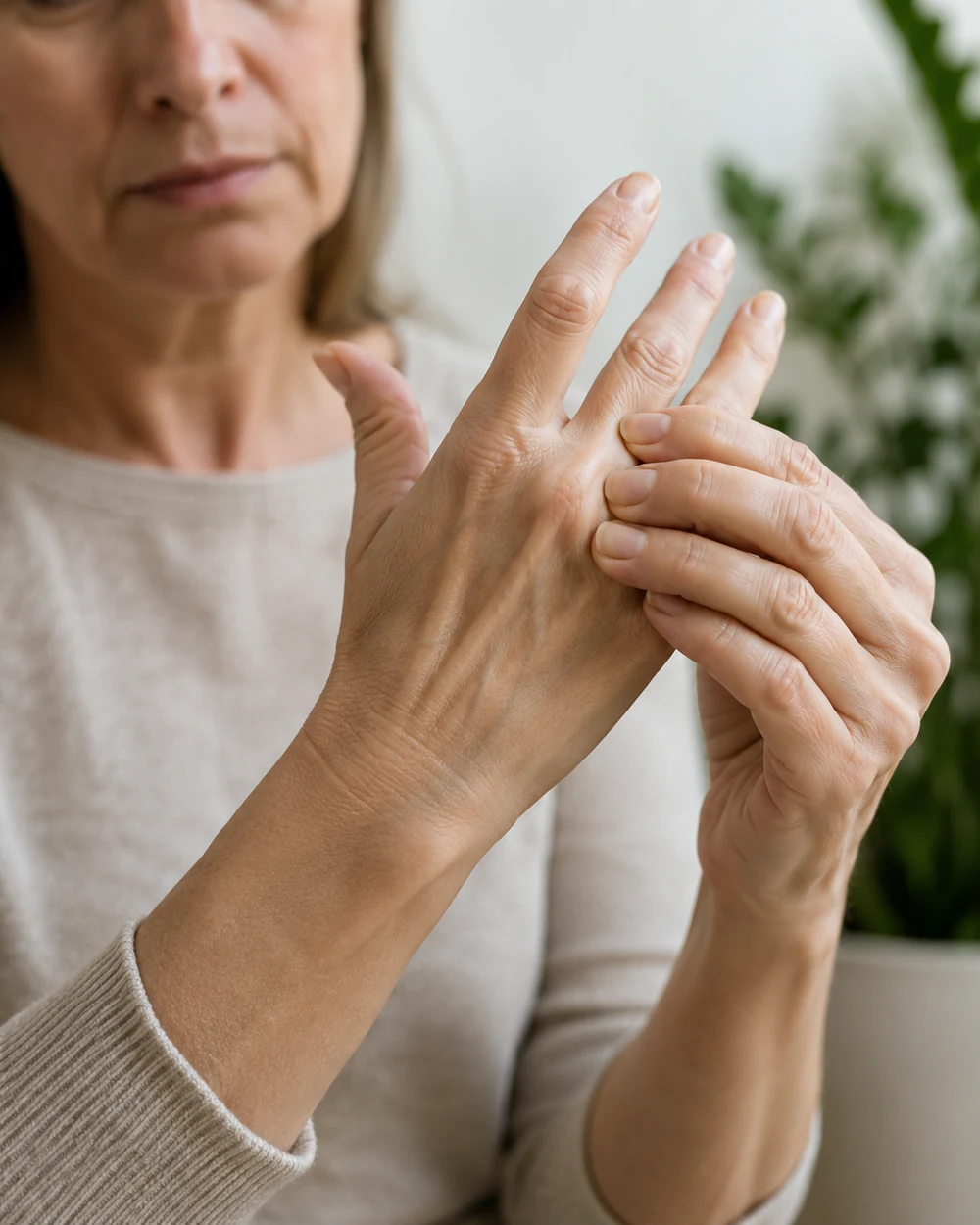 02
02Painful, enlarged or stiff finger joints affecting grip and dexterity.
Explore patient guide ↗ 03
03Palm nodules and cords that gradually pull fingers toward the palm.
Explore patient guide ↗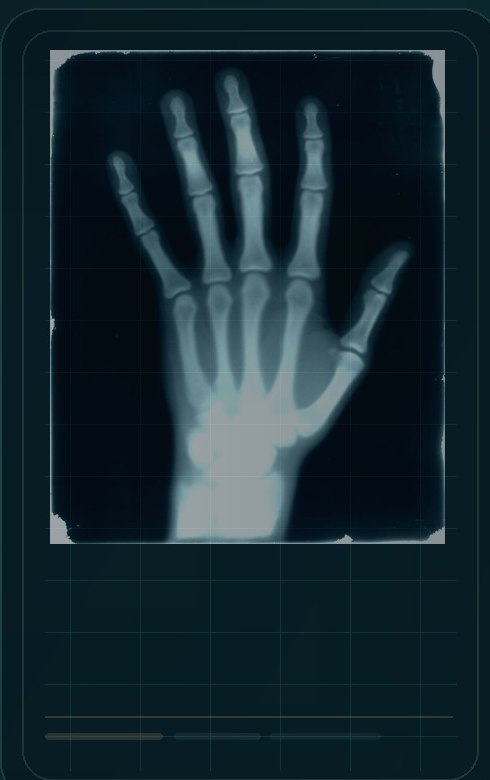 04
04A lump near the fingertip joint or nail, often linked to arthritis.
Explore patient guide ↗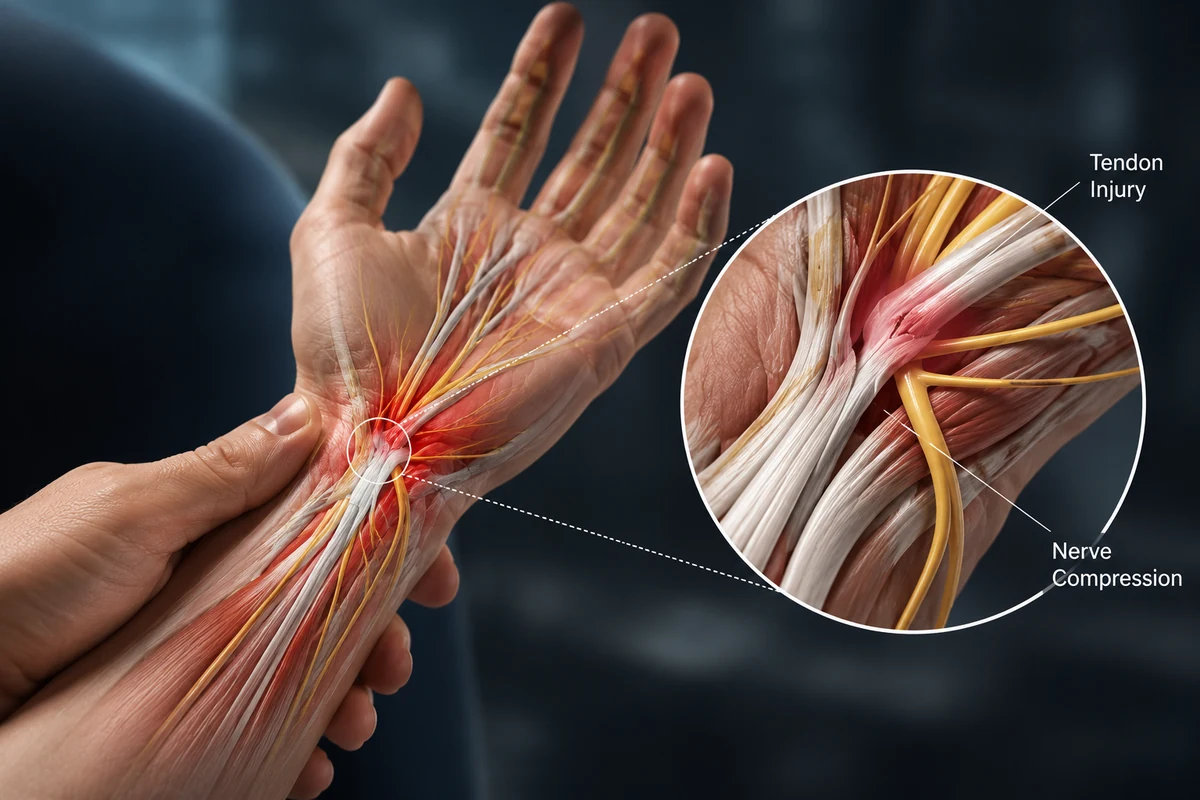 05
05Specialist assessment for cysts, solid masses and unusual hand lumps.
Explore patient guide ↗06Inflammatory joint, tendon and deformity problems requiring coordinated care.
Explore patient guide ↗Several conditions can cause similar pain or stiffness. A good assessment links the symptom pattern to examination, imaging and the activities that matter to the patient.
Which tasks hurt, what has changed and how quickly the problem is progressing.
Motion, stability, tendons, fascia, nerves and the exact lump location are checked.
Arthritis, bone spurs, alignment and bone lesions can be assessed.
Further tests are chosen only when they change the diagnosis or treatment plan.
Treatment is matched to the diagnosis, pain, deformity, medical health, lifestyle and the patient’s goals.
General information only. Diagnosis and treatment should be based on an individual specialist assessment.
Thumb-base arthritis, finger arthritis, Dupuytren’s cords and hand lumps require different examinations and treatment pathways.
No. Splints, therapy, activity changes, medication, injection or observation are often considered first, depending on the diagnosis.
A growing, painful, firm, red, draining or neurologically symptomatic lump should be assessed, especially if the diagnosis is uncertain.
Pain and function can often improve, although established cartilage loss or fixed deformity cannot always be reversed completely.
Dr Arshad sees private patients at The Highfield Hospital, Manchester Road, Rochdale OL11 4LZ — within easy reach of Manchester, Oldham, Bury, Bolton and the wider North West. You can book online through Circle Health Group, call +44 7443 213645, or send an enquiry and the team will help.
Arrange a specialist assessment and bring any previous X-rays, scans, reports, splints or medication information.