History and mechanism
How the injury occurred helps predict hidden fracture and ligament patterns.
A fall, impact, crush injury or deep cut can affect bone, joints, ligaments, tendons, nerves and skin. This guide helps patients recognise urgent warning signs and understand the pathway from imaging and stabilisation to surgery and rehabilitation when needed.
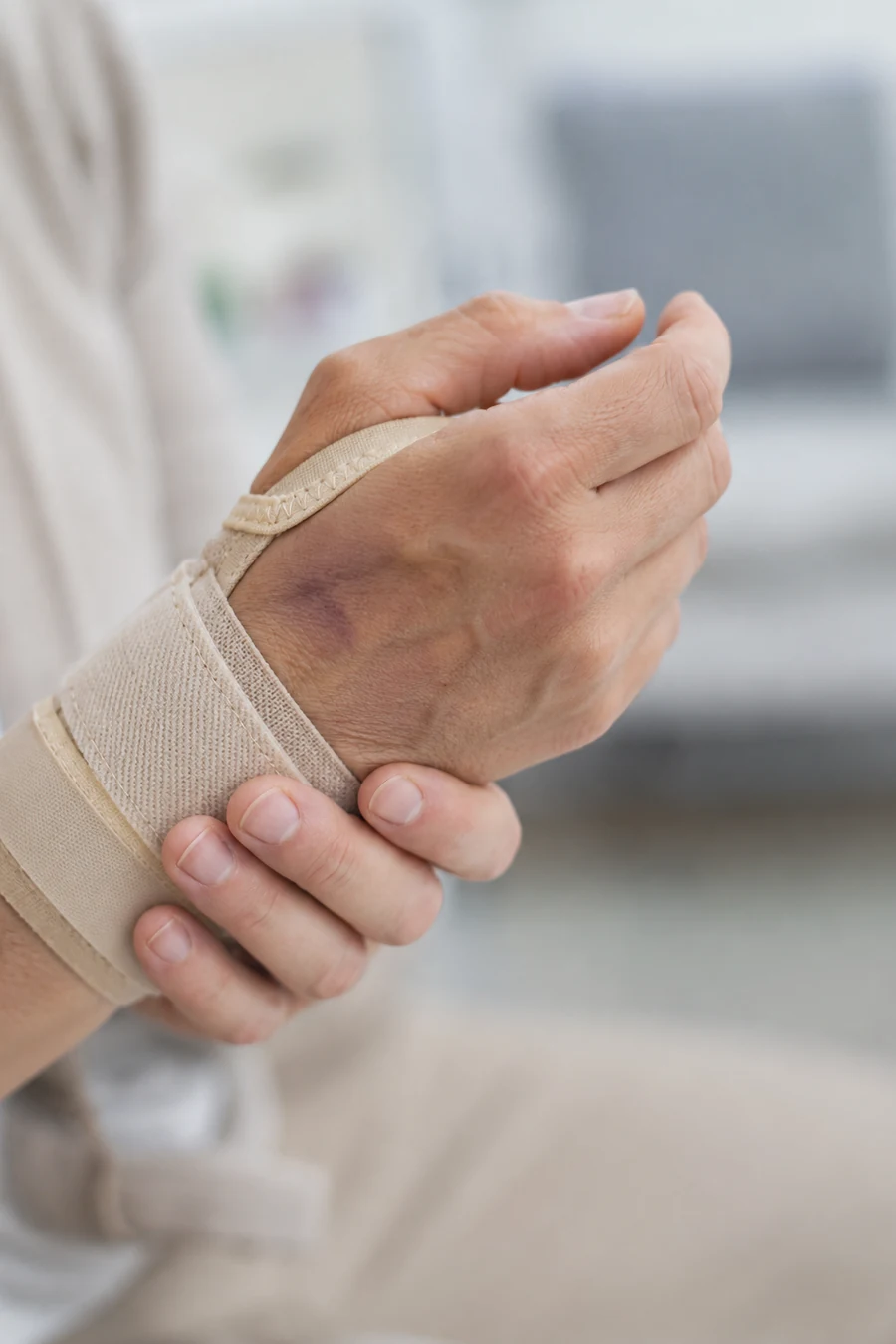 Wrist after a fallHand or knuckle injuryOpen or complex trauma
Choose the closest pattern. A visible deformity, open wound, numbness or pale/cold fingers needs urgent medical assessment.
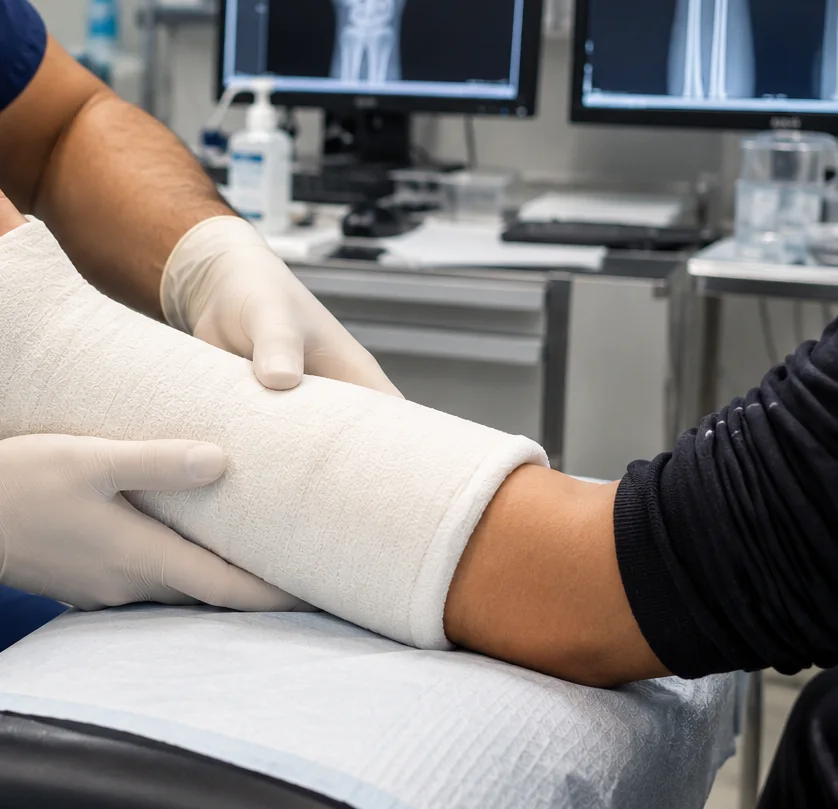
A distal radius fracture is common after a fall, but scaphoid and ligament injuries can occur at the same time.
Explore broken wrist treatment ↗Each guide explains warning signs, diagnosis, splint or cast treatment, surgery when needed and the recovery pathway.
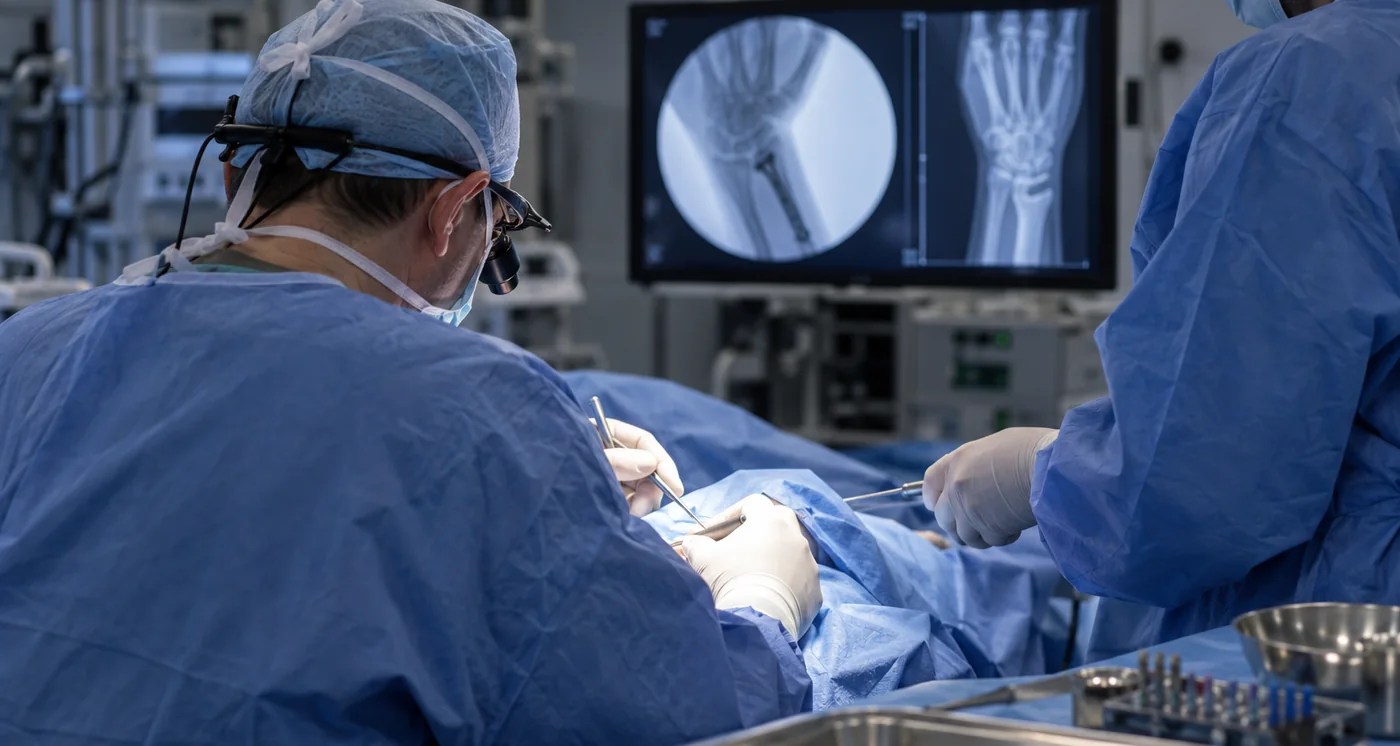 01
01A distal radius fracture can follow a fall, sport injury or road accident.
Explore patient guide ↗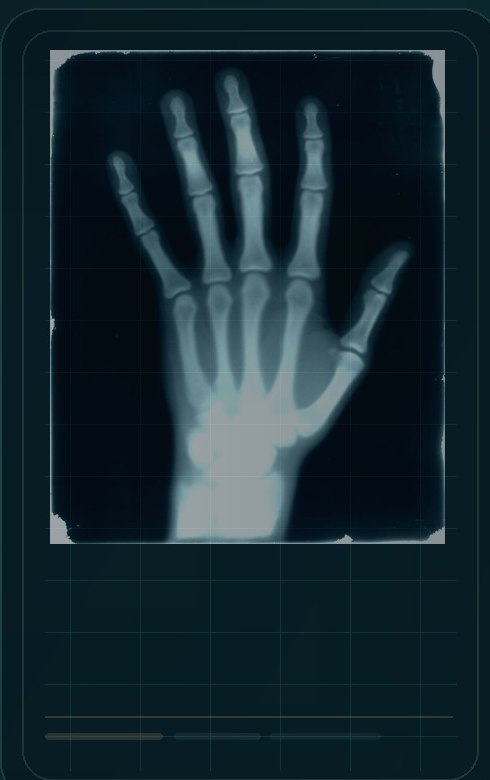 02
02Scaphoid fractures often follow a fall onto the hand and can initially feel like a wrist sprain.
Explore patient guide ↗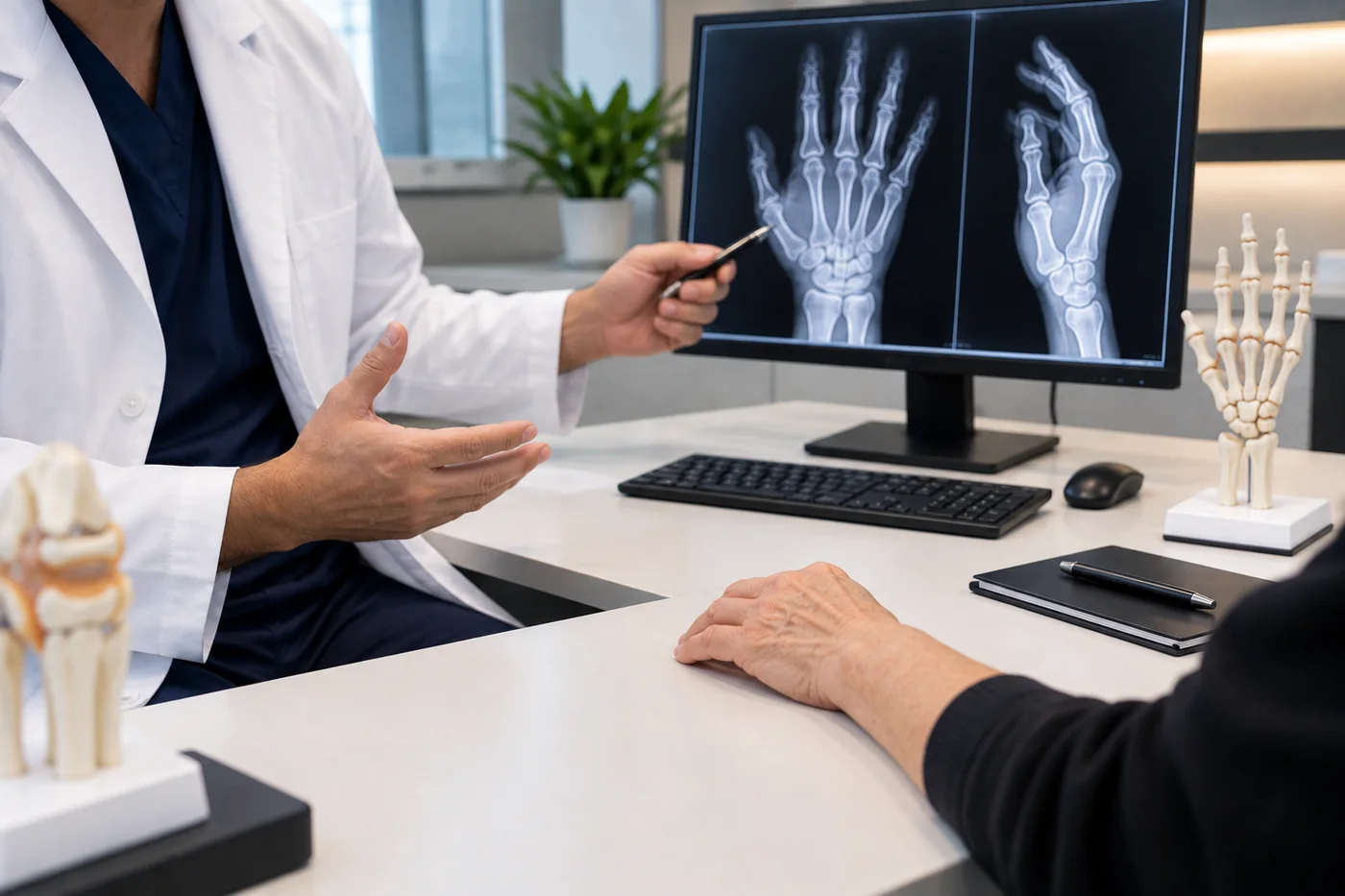 03
03Metacarpal fractures affect the long bones between the wrist and fingers.
Explore patient guide ↗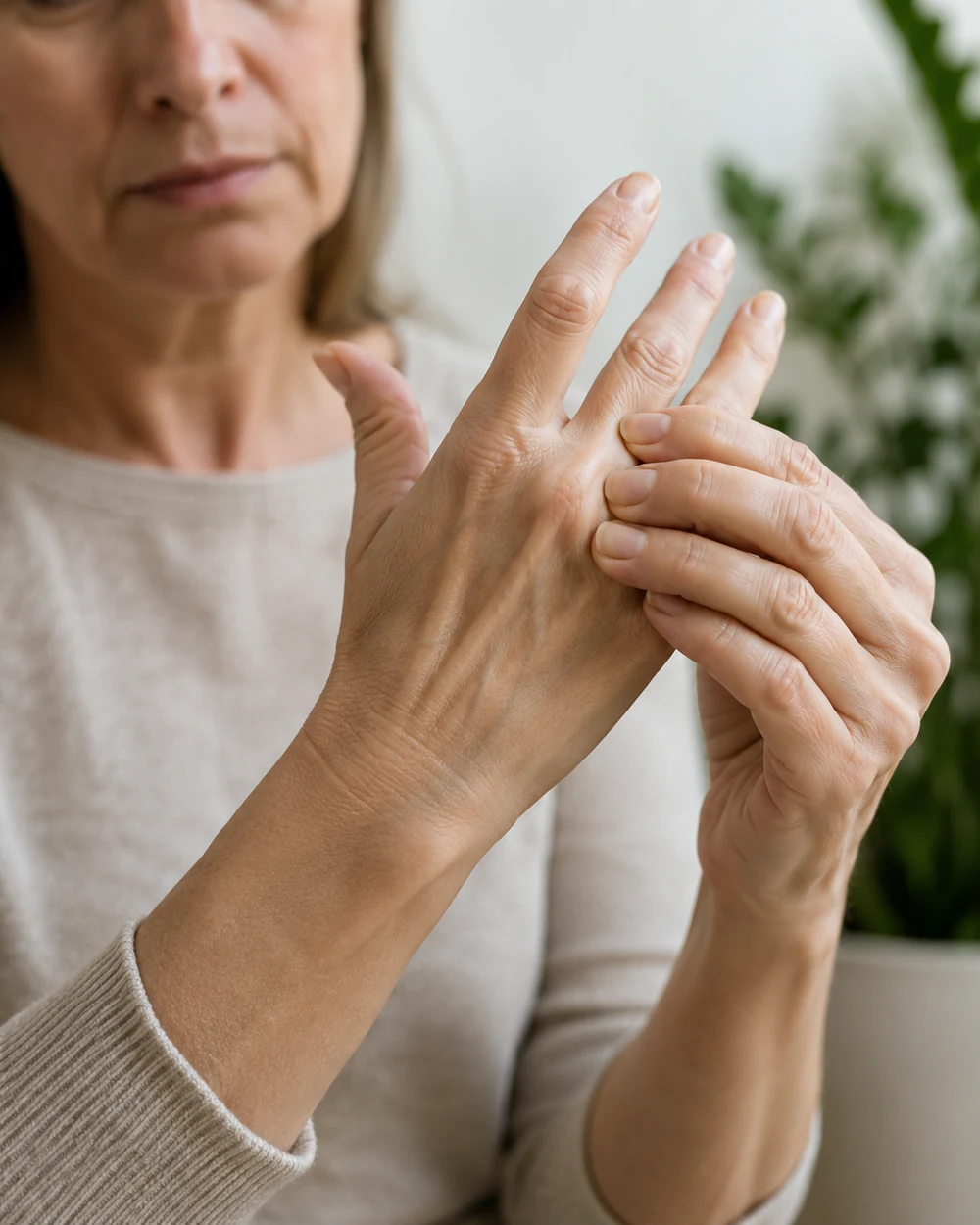 04
04Finger fractures can look simple but small changes in rotation, joint congruity or tendon balance can affect dexterity.
Explore patient guide ↗ 05
05A dislocation means a joint has been forced out of position.
Explore patient guide ↗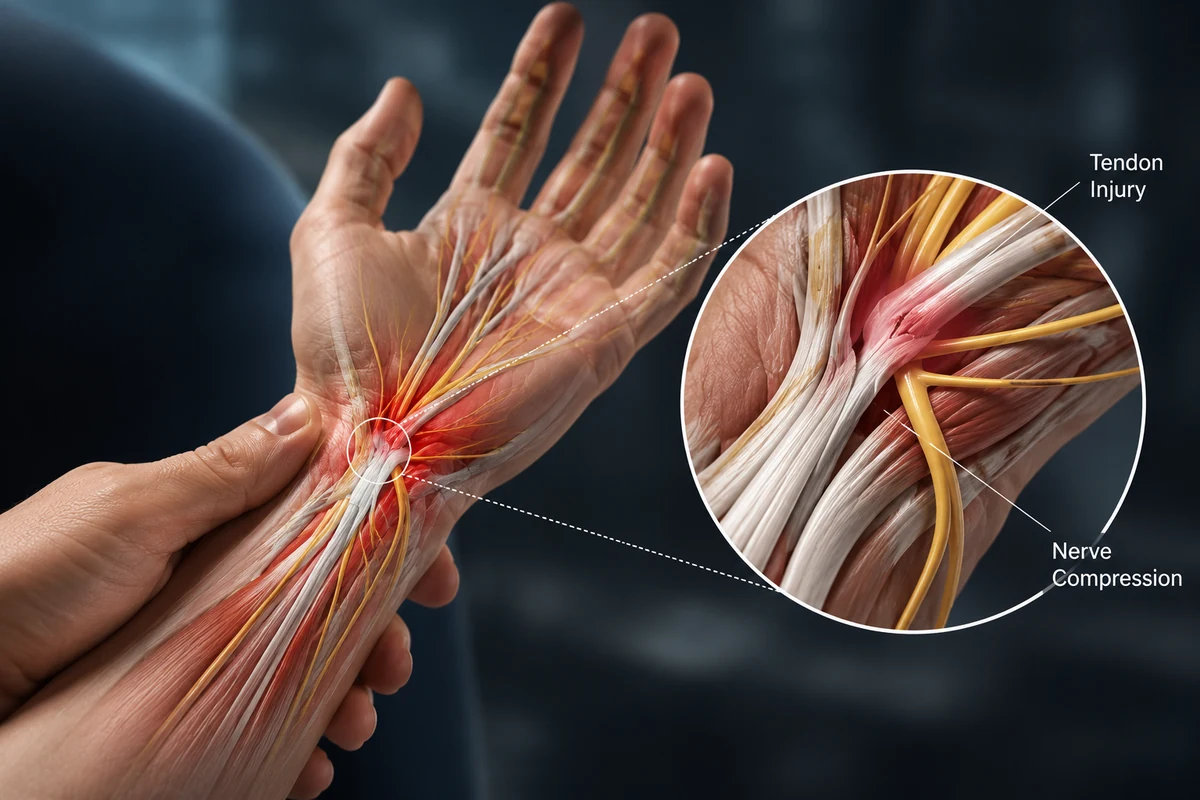 06
06Crush injuries, open fractures and deep cuts can damage bone, tendons, nerves, vessels, joints and skin at the same time.
Explore patient guide ↗Good trauma care checks more than the bone. Skin, tendons, nerves, blood flow, joint stability and finger rotation can change the treatment plan.
How the injury occurred helps predict hidden fracture and ligament patterns.
Alignment, rotation, skin, tendon function, sensation and circulation are checked.
X-ray is first line; CT or MRI is used when it will clarify a complex or occult injury.
Decide what can move, what must be protected and whether fixation is required.
Surgery is not automatic. The plan is matched to alignment, stability, joint involvement, soft-tissue injury and the patient’s goals.
Stable fractures and injuries are protected while swelling settles and healing begins.
Displaced fractures or joints may need controlled realignment.
Pins, screws, plates or reconstruction are used when alignment or stability cannot be maintained otherwise.
Movement, tendon glide, grip and confidence progress without compromising healing.
General guidance only. Acute injuries should be assessed according to severity and local emergency-care advice.
An open wound, visible deformity, new numbness, pale or cold fingers, severe swelling, uncontrolled bleeding or loss of movement should be assessed urgently.
No. Stable fractures can often be treated with a splint or cast. Surgery is considered when alignment, stability, joint involvement, open injury or functional needs make fixation more suitable.
Some scaphoid and small joint injuries are difficult to see early. Persistent focal pain may require repeat X-rays, MRI or CT.
Finger and wrist joints stiffen quickly. Movement is started as soon as the injury or fixation is stable enough.
Yes. Bring emergency notes, X-rays, scans, operation reports and splints for a specialist review in Manchester, UK or during UK clinical availability.
Request a specialist review and bring your emergency records, X-rays, scans and current splint or cast details.