Thumb-side wrist fracture care

Scaphoid Fracture Treatment in Manchester

Scaphoid fractures often follow a fall onto the hand and can initially feel like a wrist sprain. Because the bone has a vulnerable blood supply and some fractures are difficult to see on the first X-ray, persistent thumb-side wrist pain deserves careful assessment.
Snuffbox tendernessWhat patients notice
Early imaging can be inconclusiveHow diagnosis is focused
Casting, fixation or nonunion careTreatment pathway
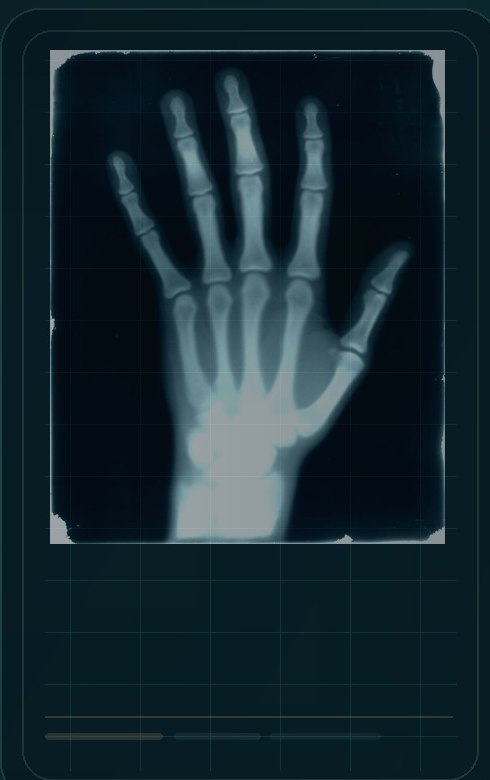
X-ray style hand and wrist image for scaphoid fracture assessment
Snuffbox tendernessEarly imaging can be inconclusiveCasting, fixation or nonunion care
Patient education guideSymptoms → Diagnosis → Treatment → Recovery
Understanding the injury

The scaphoid links the two rows of wrist bones.

The scaphoid sits on the thumb side of the wrist. Fractures are described by location and displacement. A waist or proximal-pole fracture can heal slowly because blood reaches parts of the bone from the distal side.

Why early assessment mattersAlignment, stability, nerve and circulation findings can change how urgently an injury needs treatment.
X-ray style hand and wrist image for scaphoid fracture assessment
Anatomy in context

The scaphoid links the two rows of wrist bones.

  • Pain is often felt in the anatomic snuffbox
  • Some fractures are not visible on the first X-ray
  • Displacement and blood supply influence healing risk
What patients may notice

Symptoms worth checking early.

Severity varies with displacement, joint involvement and soft-tissue injury. New numbness, circulation change or an open wound needs urgent assessment.

01

Thumb-side wrist pain

Pain below the thumb may worsen with gripping or pushing.

02

Snuffbox tenderness

Pressing the hollow at the base of the thumb is often painful.

03

Mild swelling

The wrist may not look dramatically injured.

04

Pain after a fall

Symptoms can persist after an injury labelled as a sprain.

05

Reduced grip

Pinching, carrying and opening containers can hurt.

06

Persistent pain despite normal X-ray

Further imaging may be needed when suspicion remains high.

Seek urgent carefor an open injury, visible deformity, severe swelling, new loss of feeling or movement, uncontrolled bleeding, or pale/cold fingers.Request assessment ↗
How the injury happens

A small fracture can have a major effect on wrist mechanics.

The mechanism helps identify likely fracture, ligament, tendon and soft-tissue patterns, but examination and imaging determine the diagnosis.

01

Fall onto an outstretched hand

02

Contact or racquet sports

03

Cycling or road-traffic injury

04

Missed or delayed diagnosis

Focused diagnosis

Define alignment, stability and associated injury.

A useful diagnosis combines the injury pattern, examination and imaging that will change treatment.

Bring to your appointmentEmergency notes, X-rays, scans, operation reports, splints and a list of symptoms that have changed.
01

Focused examination

Assess snuffbox, scaphoid tubercle and pain with loading.

02

Dedicated wrist X-rays

Special views may show a fracture or later healing change.

03

MRI when indicated

Can detect an occult fracture and associated soft-tissue injury.

04

CT for alignment and union

Useful for displacement, surgical planning or checking healing.

Treatment choices

Protect healing without losing unnecessary movement.

The right plan depends on the exact injury, alignment, stability, joint surface, skin and patient priorities.
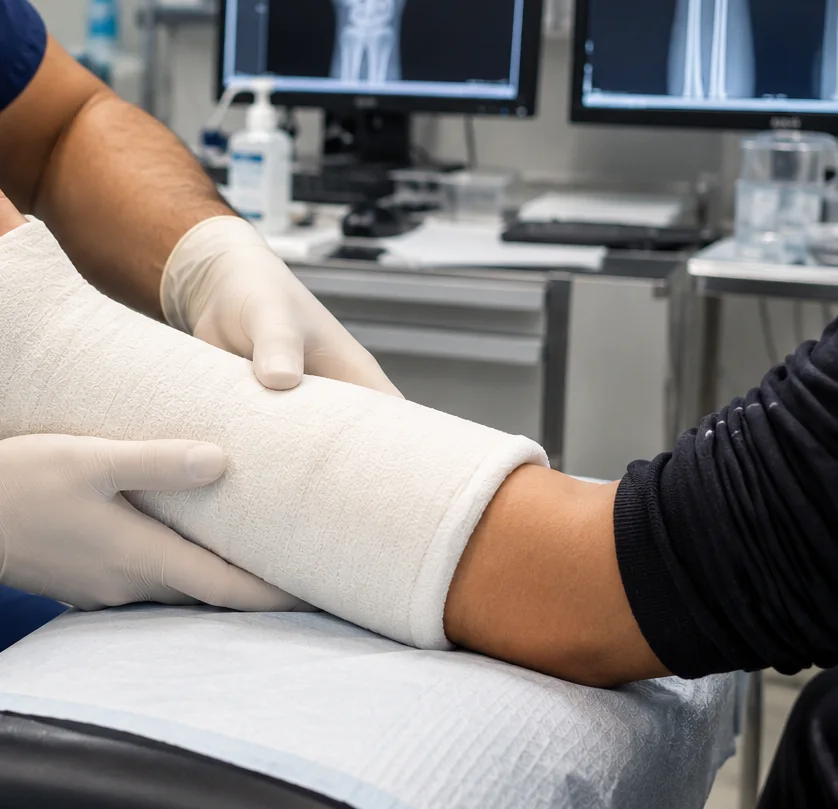
Fibreglass cast applied to a wrist as non-surgical fracture treatment
Non-surgical pathway

Stabilise, monitor and begin safe movement.

  • Cast or rigid immobilisationStable, nondisplaced fractures may heal with protection.
  • Repeat assessmentClinical review and imaging confirm the diagnosis and progress.
  • Avoid loadingGrip, pushing and impact are limited while the bone heals.
  • Smoking cessationNicotine can impair bone healing and increase nonunion risk.
  • RehabilitationWrist and thumb motion are restored once healing is secure.
Surgery when appropriate

Scaphoid fracture fixation and nonunion surgery

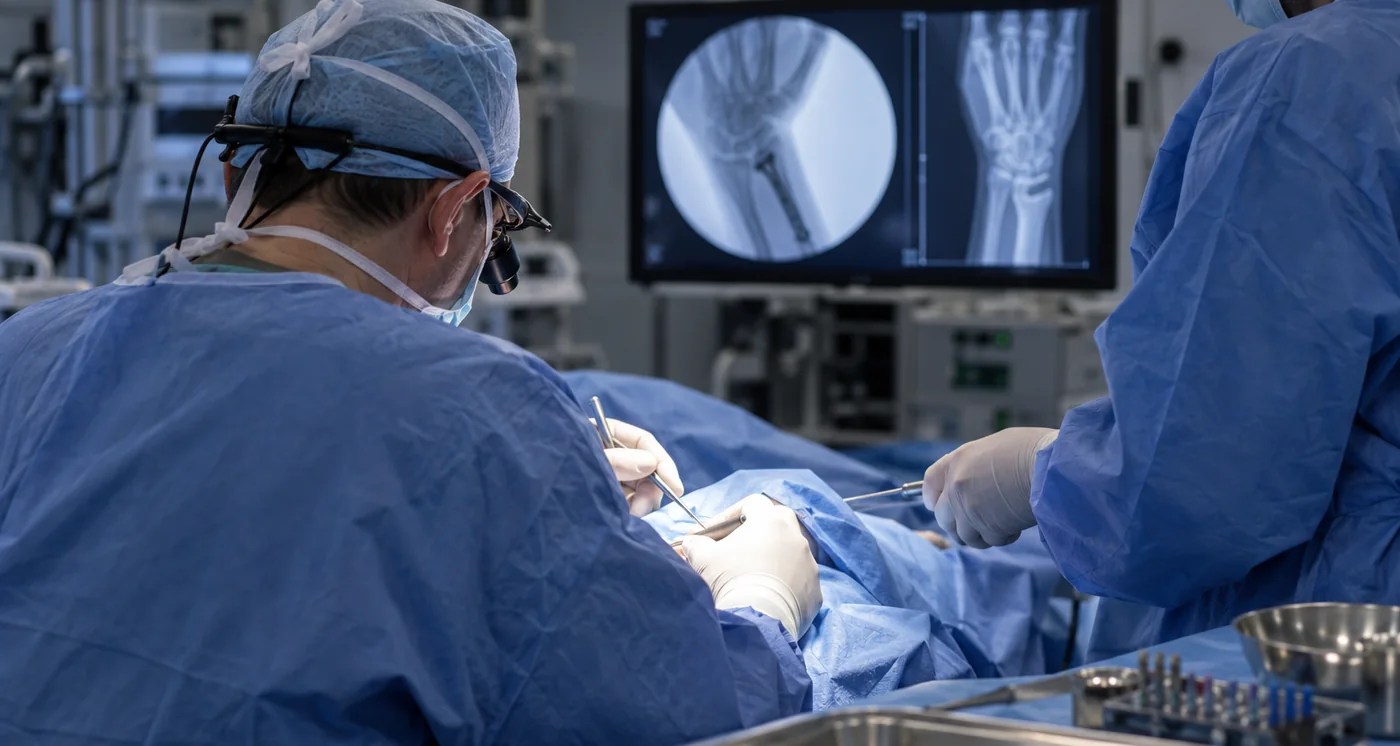
Surgery may be recommended for displaced fractures, proximal-pole injuries, unstable patterns, delayed union or established nonunion. The goal is to achieve bone healing while preserving wrist alignment and movement.
  1. Define fracture location, displacement and blood supply risk
  2. Choose casting or fixation based on the fracture
  3. Use screw fixation with or without bone graft when indicated
  4. Protect the wrist until healing is demonstrated
  5. Progress motion, grip and loading in stages
Realistic expectationsHealing and recovery vary with injury severity, tissue damage, fixation, age, health, smoking and rehabilitation. Final medical decisions require individual assessment.
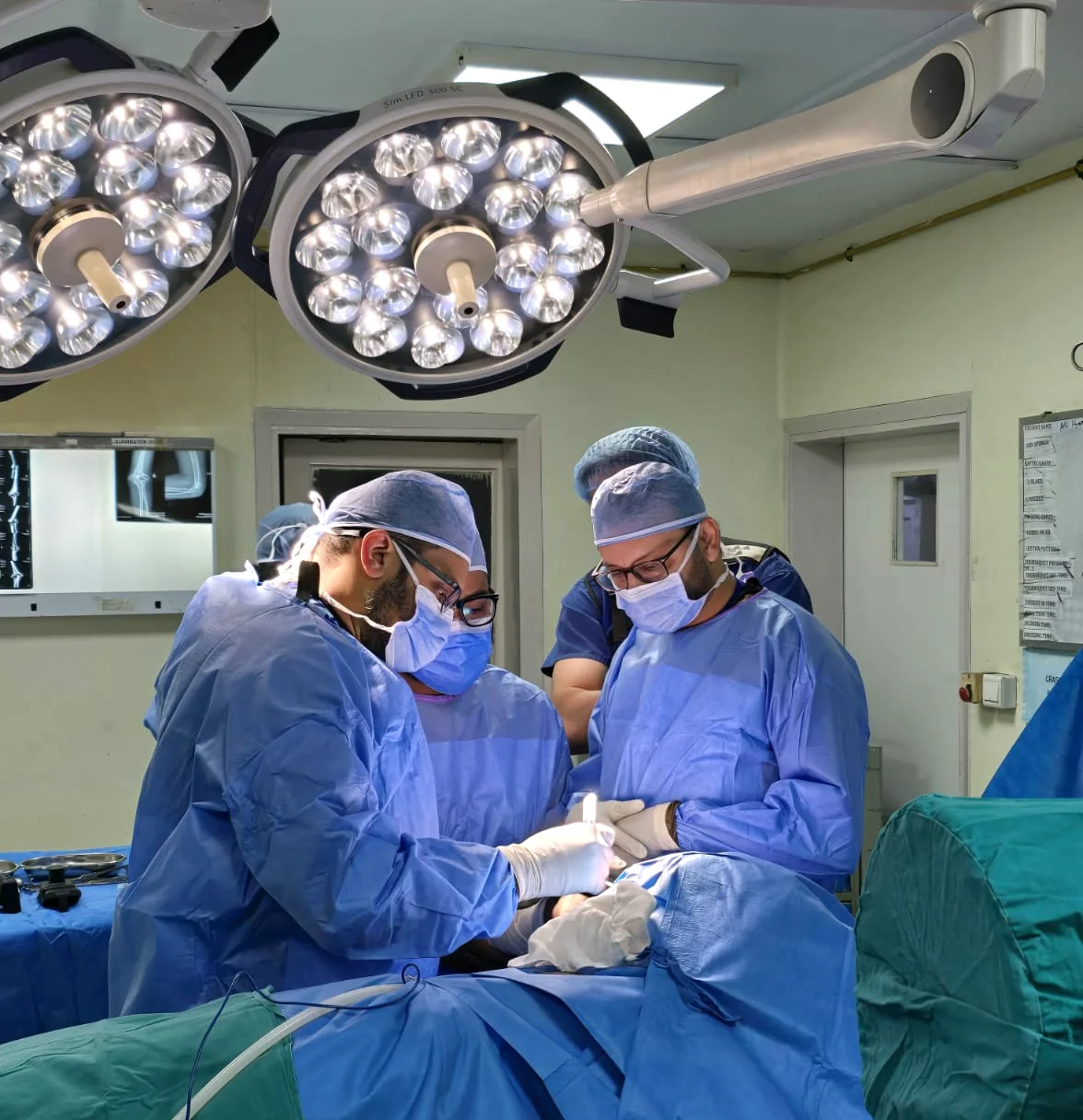
Dr. Shoaib Arshad operating in theatre with the surgical team
Specialist pathwayAssess → Align → Stabilise → Rehabilitate
Recovery pathway

Healing is staged—not rushed.

These are broad guides only. Imaging, fracture stability, tissue repair and work or sport demands determine the individual timeline.

01

First weeks

Cast or splint protection and finger movement.

02

6–12 weeks

Imaging is used to judge healing; some fractures need longer.

03

After union

Wrist and thumb motion, grip and loading progress gradually.

04

Longer term

Nonunion or proximal-pole fractures may require a longer recovery and closer imaging.

Dr. Shoaib Arshad, hand and wrist surgeon
Doctify4.96/555 verified reviews
Why consult Dr. Arshad

A clear injury diagnosis. Practical options. A plan built around function.

Dr. Shoaib Arshad is a fellowship-trained consultant orthopaedic hand and wrist surgeon with UK specialist training and more than 17 years in orthopaedic surgery.

Focused hand, wrist and upper-limb trauma assessmentNon-surgical, fixation and reconstruction pathwaysConsultations in Manchester and across the UK, and at Healthpoint Abu Dhabi
Meet Dr. Arshad
Questions patients ask

Scaphoid Fracture FAQs.

General information only. Acute injuries and treatment decisions require individual medical assessment.

Can a scaphoid fracture be missed on an X-ray?+

Yes. Early X-rays can appear normal. Persistent snuffbox pain may justify immobilisation and repeat X-ray, MRI or CT.

Why does the scaphoid sometimes fail to heal?+

Parts of the scaphoid have a limited blood supply. Displacement, proximal-pole location, smoking and delayed treatment can increase nonunion risk.

Does every scaphoid fracture need surgery?+

No. Stable nondisplaced fractures can often be treated in a cast, while displaced or high-risk fractures are more likely to need fixation.

How do you confirm the bone has healed?+

Clinical examination and X-ray or CT are used. Pain alone is not a reliable measure of union.

Can I arrange scaphoid assessment in Manchester?+

Yes. Specialist assessment and imaging review can be arranged in Manchester, UK, with UK availability advised by the team.

Medical referencesPatient information sources used for this guide
AAOS: Scaphoid Fracture of the Wrist
Manchester · UK & Abu Dhabi consultation availability

Need a clear fracture or injury assessment?

Book a specialist consultation and bring emergency records, X-rays, scans, reports and current splint or cast information.

Call +971 58 524 6403Email the team
Message us on WhatsApp