Knuckle and hand-bone fracture care

Metacarpal & Hand Fracture Treatment in Manchester

Metacarpal fractures affect the long bones between the wrist and fingers. Many heal well without surgery, but rotation, shortening, joint involvement, open injury or instability can compromise grip if not corrected.
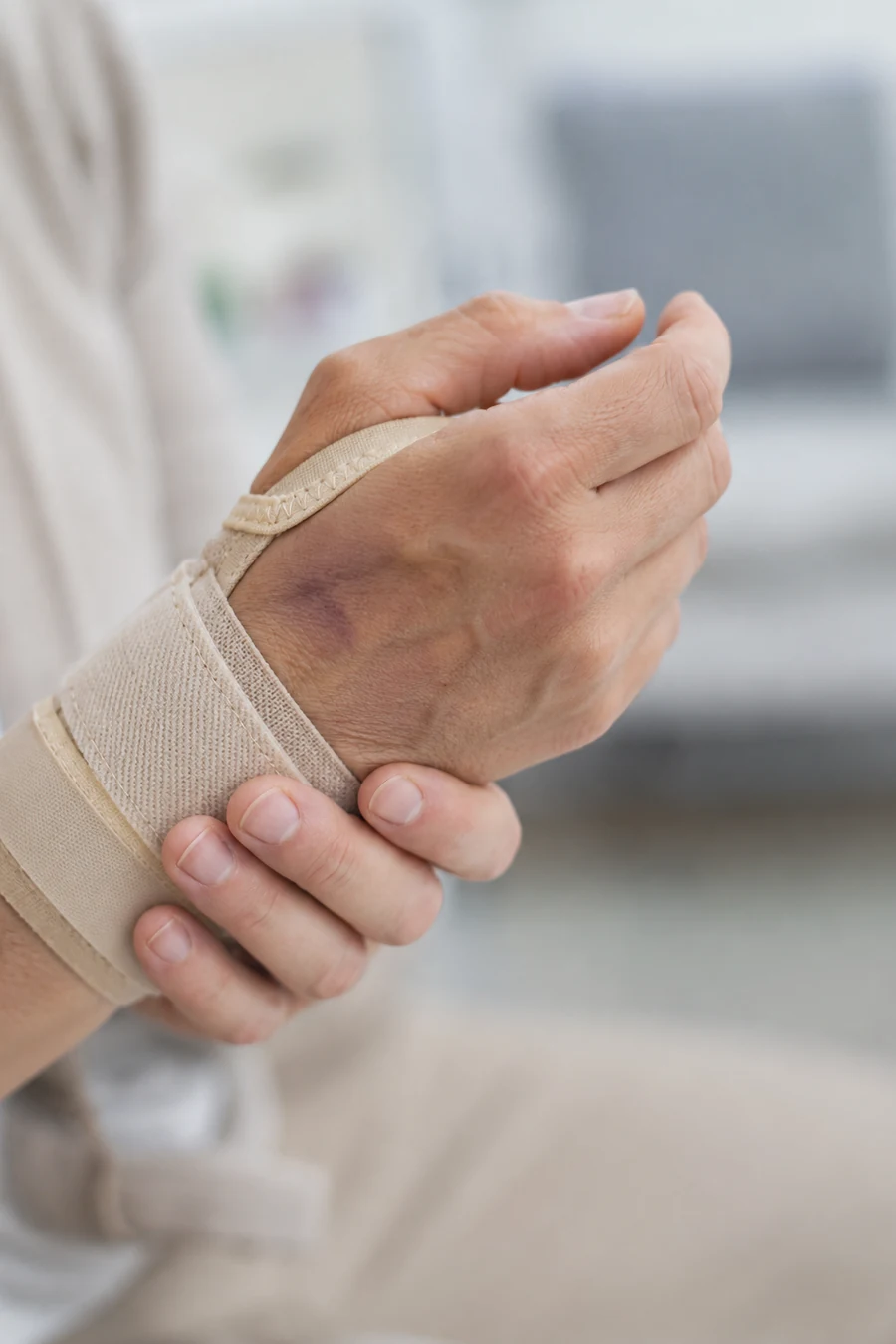
Knuckle pain and swellingWhat patients notice
Check finger rotationHow diagnosis is focused
Splinting or fixationTreatment pathway
Injured hand and wrist being supported
Knuckle pain and swellingCheck finger rotationSplinting or fixation
Patient education guideSymptoms → Diagnosis → Treatment → Recovery
Understanding the injury

Finger alignment is as important as the X-ray.

A metacarpal fracture may involve the neck, shaft, base or joint surface. The fifth metacarpal neck is often called a boxer’s fracture. During examination, the fingers are checked in extension and flexion because rotational deformity can cause overlap when making a fist.

Why early assessment mattersAlignment, stability, nerve and circulation findings can change how urgently an injury needs treatment.
Injured hand and wrist being supported
Anatomy in context

Finger alignment is as important as the X-ray.

  • Five metacarpals connect the wrist to the fingers
  • Rotation can impair grip even when angulation looks modest
  • Base fractures may involve the carpometacarpal joints
What patients may notice

Symptoms worth checking early.

Severity varies with displacement, joint involvement and soft-tissue injury. New numbness, circulation change or an open wound needs urgent assessment.

01

Knuckle pain and swelling

Tenderness and bruising may spread across the back of the hand.

02

Loss of knuckle contour

The knuckle may appear flattened after a neck fracture.

03

Finger crossing or overlap

Rotation becomes clearer when making a fist.

04

Pain with grip

Lifting and squeezing become difficult.

05

Open wound

A cut over the knuckle can communicate with the fracture or joint.

06

Multiple injured rays

High-energy trauma may cause several fractures or dislocations.

Seek urgent carefor an open injury, visible deformity, severe swelling, new loss of feeling or movement, uncontrolled bleeding, or pale/cold fingers.Request assessment ↗
How the injury happens

The fracture pattern determines whether movement can begin early.

The mechanism helps identify likely fracture, ligament, tendon and soft-tissue patterns, but examination and imaging determine the diagnosis.

01

Punching injury

02

Fall or direct blow

03

Sport or workplace trauma

04

Crush injury or road accident

Focused diagnosis

Define alignment, stability and associated injury.

A useful diagnosis combines the injury pattern, examination and imaging that will change treatment.

Bring to your appointmentEmergency notes, X-rays, scans, operation reports, splints and a list of symptoms that have changed.
01

Hand examination

Check skin, tendon function, sensation, finger cascade and rotation.

02

Hand X-rays

Define fracture level, angulation, shortening and joint involvement.

03

CT when useful

May help with complex base or joint-surface fractures.

04

Post-reduction review

Confirm alignment after manipulation and during follow-up.

Treatment choices

Protect healing without losing unnecessary movement.

The right plan depends on the exact injury, alignment, stability, joint surface, skin and patient priorities.
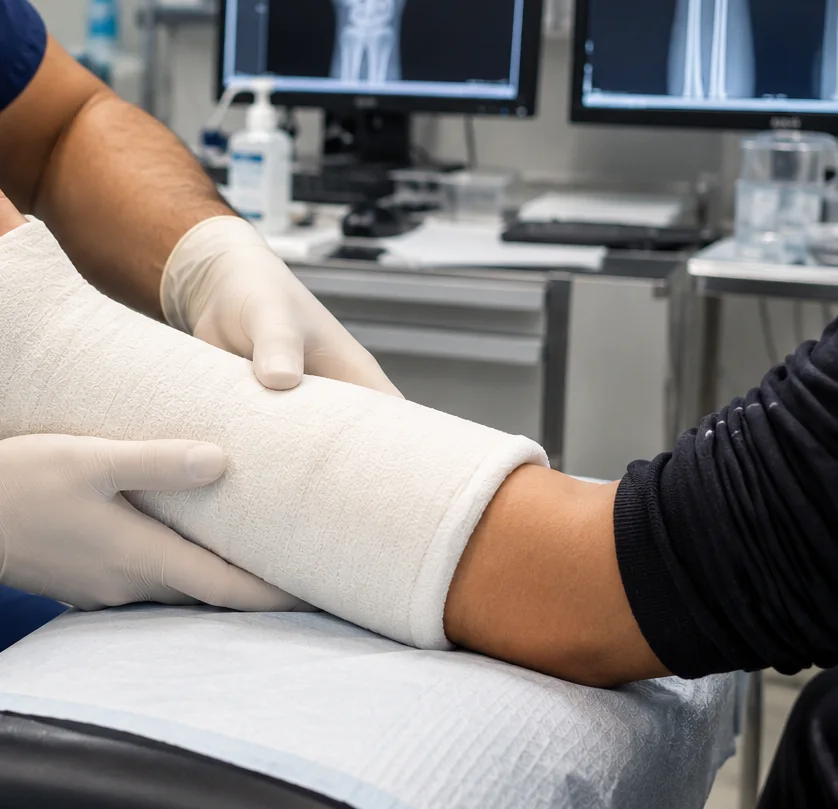
Fibreglass cast applied to a wrist as non-surgical fracture treatment
Non-surgical pathway

Stabilise, monitor and begin safe movement.

  • Splint or castStable fractures may be protected while allowing safe finger movement.
  • Closed reductionSelected angulated fractures can be realigned without open surgery.
  • Buddy supportAdjacent fingers may support stable injuries during early movement.
  • Swelling managementElevation and active movement of free joints reduce stiffness.
  • Hand therapyGrip and dexterity are rebuilt after stability is achieved.
Surgery when appropriate

Metacarpal fracture fixation

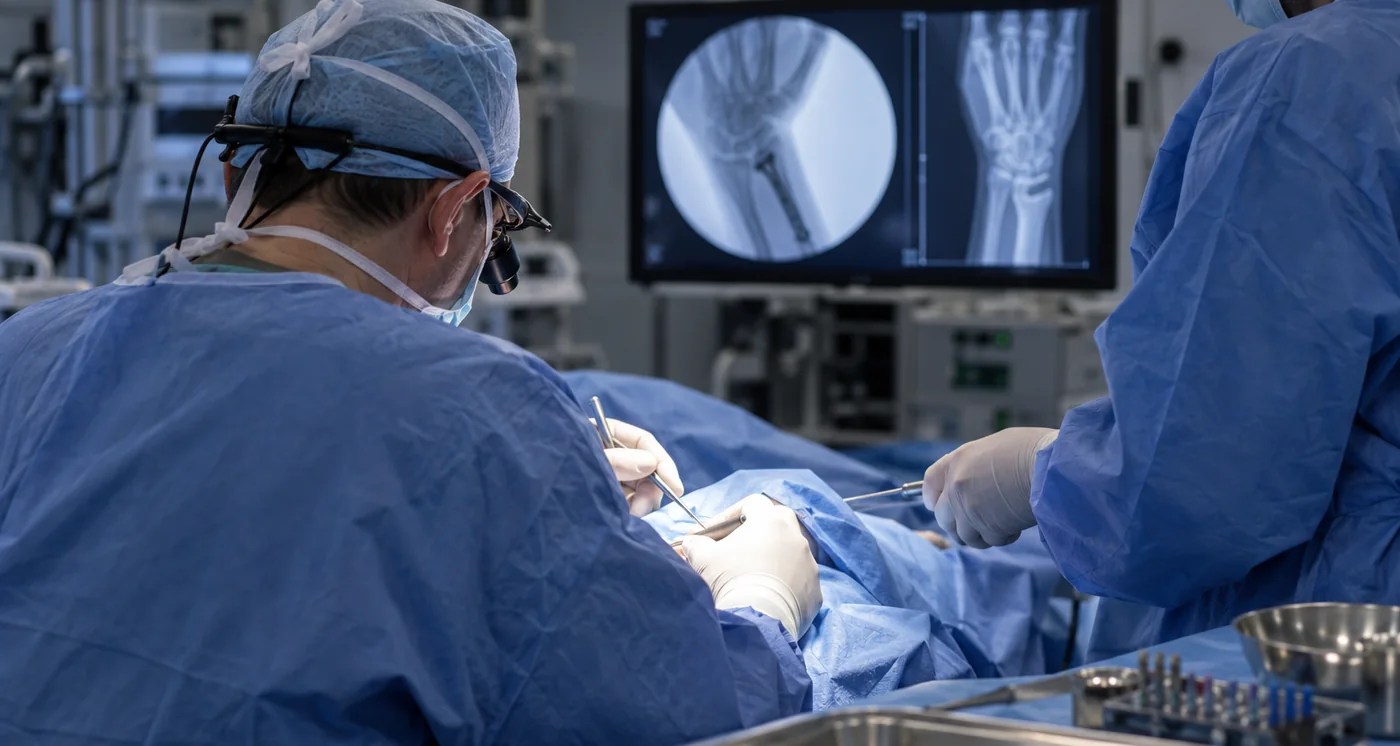
Surgery is considered when the fracture is rotated, significantly displaced, unstable, open, involves a joint, affects multiple metacarpals or cannot maintain useful alignment in a splint.
  1. Assess rotation and finger cascade
  2. Restore length and alignment
  3. Stabilise with the least disruptive suitable fixation
  4. Protect soft tissues and begin safe motion
  5. Progress grip after fracture healing
Realistic expectationsHealing and recovery vary with injury severity, tissue damage, fixation, age, health, smoking and rehabilitation. Final medical decisions require individual assessment.
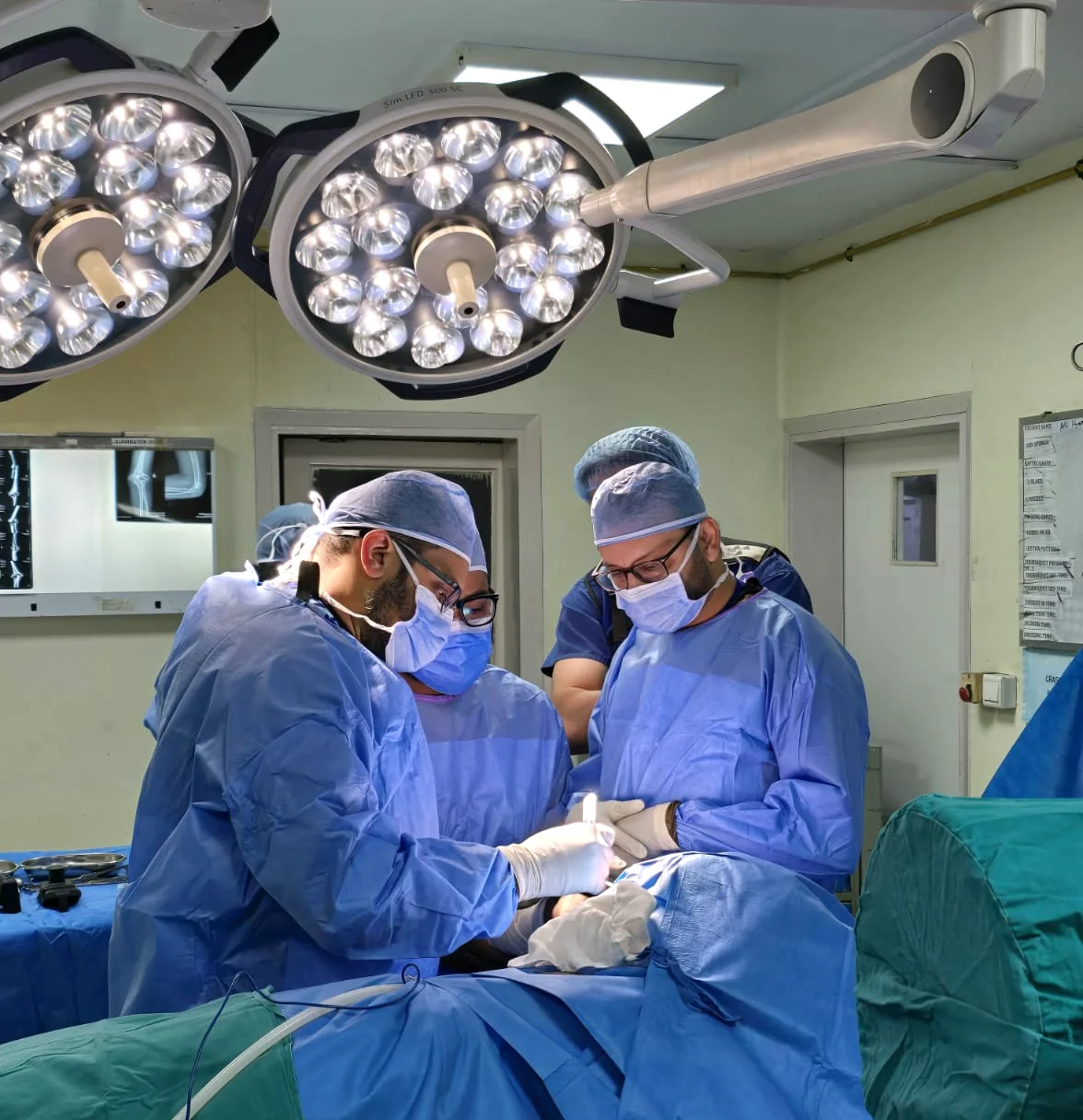
Dr. Shoaib Arshad operating in theatre with the surgical team
Specialist pathwayAssess → Align → Stabilise → Rehabilitate
Recovery pathway

Healing is staged—not rushed.

These are broad guides only. Imaging, fracture stability, tissue repair and work or sport demands determine the individual timeline.

01

First 1–2 weeks

Swelling control, wound or splint review and early movement of safe joints.

02

3–6 weeks

Protection continues while fracture healing progresses.

03

6–10 weeks

Grip, work and sport are advanced according to healing and stability.

04

Longer term

Knuckle shape may remain different even when function is good; stiffness needs active rehabilitation.


Dr. Shoaib Arshad, hand and wrist surgeon
Doctify4.96/555 verified reviews
Why consult Dr. Arshad

A clear injury diagnosis. Practical options. A plan built around function.

Dr. Shoaib Arshad is a fellowship-trained consultant orthopaedic hand and wrist surgeon with UK specialist training and more than 17 years in orthopaedic surgery.

Focused hand, wrist and upper-limb trauma assessmentNon-surgical, fixation and reconstruction pathwaysConsultations in Manchester and across the UK, and at Healthpoint Abu Dhabi
Meet Dr. Arshad
Questions patients ask

Metacarpal / Hand Fracture FAQs.

General information only. Acute injuries and treatment decisions require individual medical assessment.

Is a boxer’s fracture always treated without surgery?+

No. Many can be treated in a splint, but rotation, instability, open injury, severe angulation or occupational needs may change the plan.

Why do you ask me to make a fist?+

Finger overlap or scissoring reveals rotational deformity, which can interfere with grip and may not be obvious on a resting X-ray.

Will my knuckle look different?+

A reduced knuckle prominence can remain after some fifth-metacarpal fractures even when function is acceptable.

When can I return to sport?+

Return depends on fracture healing, stability, grip, pain and whether the hand can be protected.

Can I book hand-fracture assessment in Manchester?+

Yes. Dr. Arshad provides specialist hand-fracture assessment in Manchester, UK and during UK clinical availability.

Medical referencesPatient information sources used for this guide
AAOS: Hand Fractures
Manchester · UK & Abu Dhabi consultation availability

Need a clear fracture or injury assessment?

Book a specialist consultation and bring emergency records, X-rays, scans, reports and current splint or cast information.

Call +971 58 524 6403Email the team
Message us on WhatsApp