Numbness · Tingling · Weakness

Hand & Wrist Nerve Conditions

Nerve compression or injury can affect feeling, grip, coordination and sleep. This guide explains the common causes, how they are assessed and when surgery may help.

Wrist compressionCarpal tunnel symptoms
Elbow compressionLittle-finger symptoms
Nerve injuryCuts, crush and scar problems
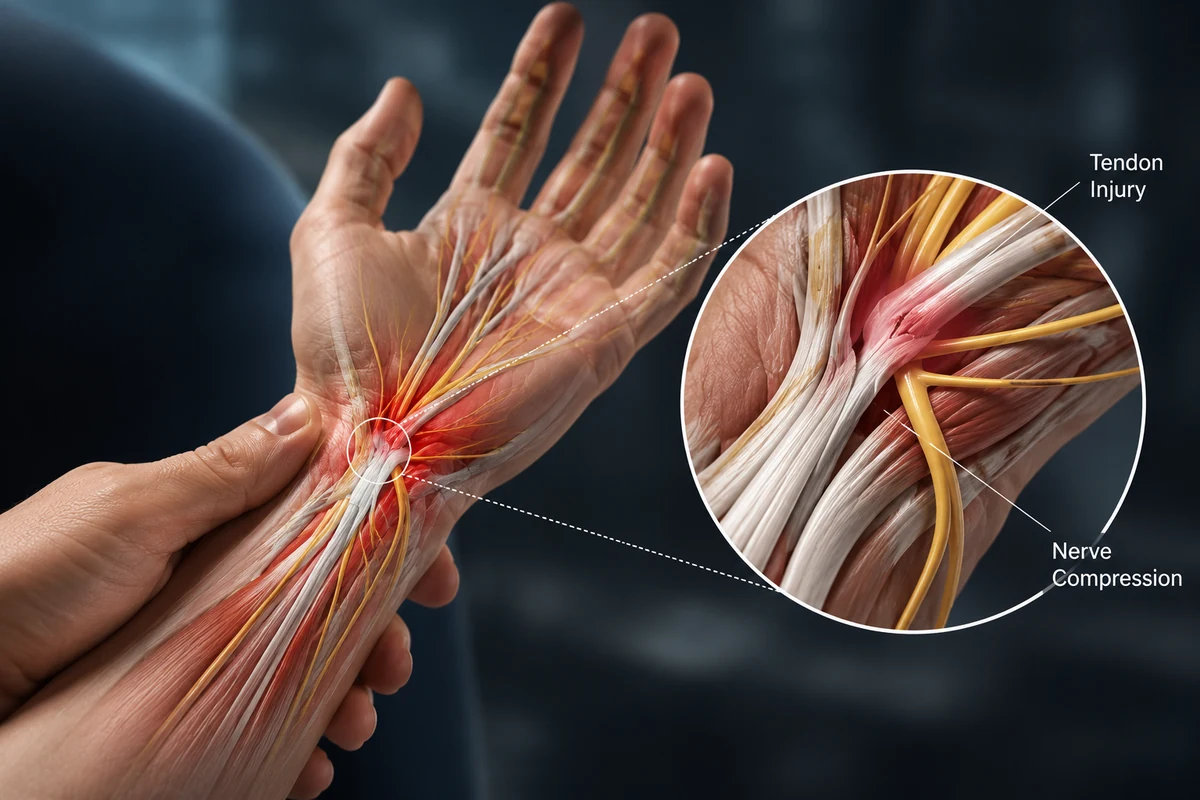
Hand and wrist anatomy showing nerves and tendons
Wrist compression
Elbow compression
Patient guideSymptoms · Diagnosis · Treatment · Recovery
Understanding the problem

Nerves carry feeling and movement between your arm and hand.

Several nerves carry feeling and movement from the arm into the hand. The most useful clues are where symptoms appear, what triggers them and whether strength or coordination has changed.

Why the symptom pattern matters

The fingers involved, the time of day, the activities that trigger symptoms and whether weakness is present can help identify the affected nerve and the level of compression.
Blinking points show typical symptom locations — not a diagnosis
Common pattern: median nerve

Numbness in the thumb, index or middle fingers.

Pressure on the median nerve at the wrist can cause carpal tunnel syndrome. Symptoms may also involve part of the ring finger and are often worse at night.

Explore carpal tunnel syndrome
What patients may notice

Common nerve symptoms.

Symptoms vary with the nerve involved and how long it has been affected. A clinical assessment is important when symptoms persist, worsen or affect function.

01

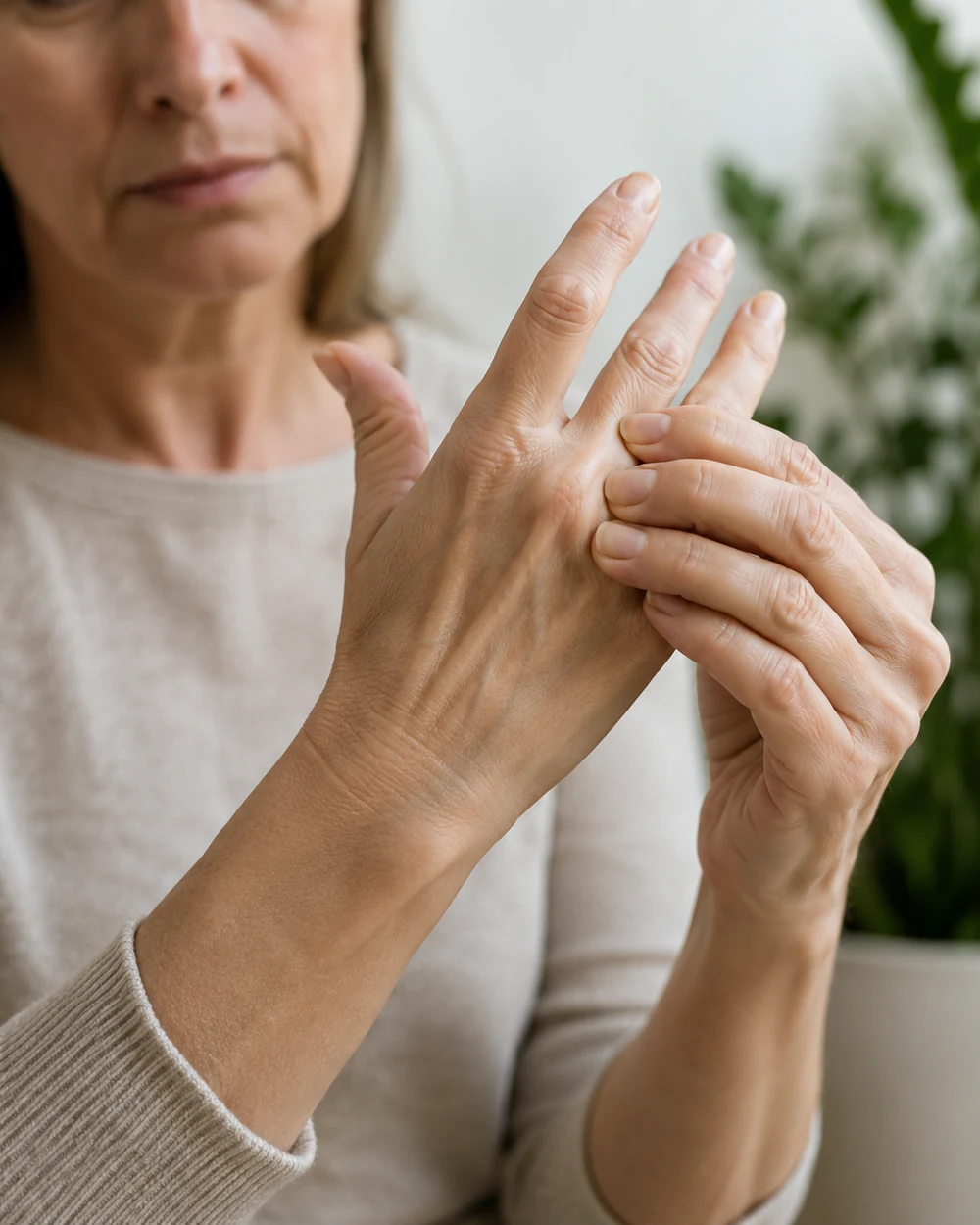
Numbness or tingling

Pins and needles in a repeatable finger pattern, sometimes worse at night.

02

Burning or electric pain

Sharp, shooting or burning sensations travelling into the hand or fingers.

03

Weakness or reduced grip

Difficulty pinching, opening jars, turning keys or maintaining grip.

04

Clumsiness

Dropping objects, reduced dexterity or difficulty with buttons and fine tasks.

05

Night symptoms

Symptoms that wake you, improve after shaking the hand or worsen with elbow position.

06!

Increasing weakness or muscle change

Visible muscle change, worsening grip or loss of finger control deserves timely specialist assessment.

Seek urgent assessment

after a cut or significant injury with loss of feeling or movement, sudden progressive weakness, severe swelling, or a cold/pale hand.

Request an assessment ↗
Conditions treated

Common hand and wrist nerve conditions.

Each condition opens into a detailed patient guide covering symptoms, diagnosis, treatment options, surgery when needed and recovery.

01
Clinical assessment for carpal tunnel syndrome symptoms
Median nerve · Wrist

Carpal Tunnel Syndrome

Numbness, tingling, night symptoms or weakness caused by pressure on the median nerve at the wrist.

  • Night-time pins and needles
  • Thumb-side finger symptoms
  • Reduced pinch or grip
Carpal tunnel treatment guide
02
Person experiencing numbness and tingling in the hand
Ulnar nerve · Elbow

Cubital Tunnel Syndrome

Compression of the ulnar nerve around the elbow, often affecting the little and ring fingers.

  • Little-finger numbness
  • Symptoms with elbow bending
  • Hand weakness or clumsiness
Cubital tunnel treatment guide
03
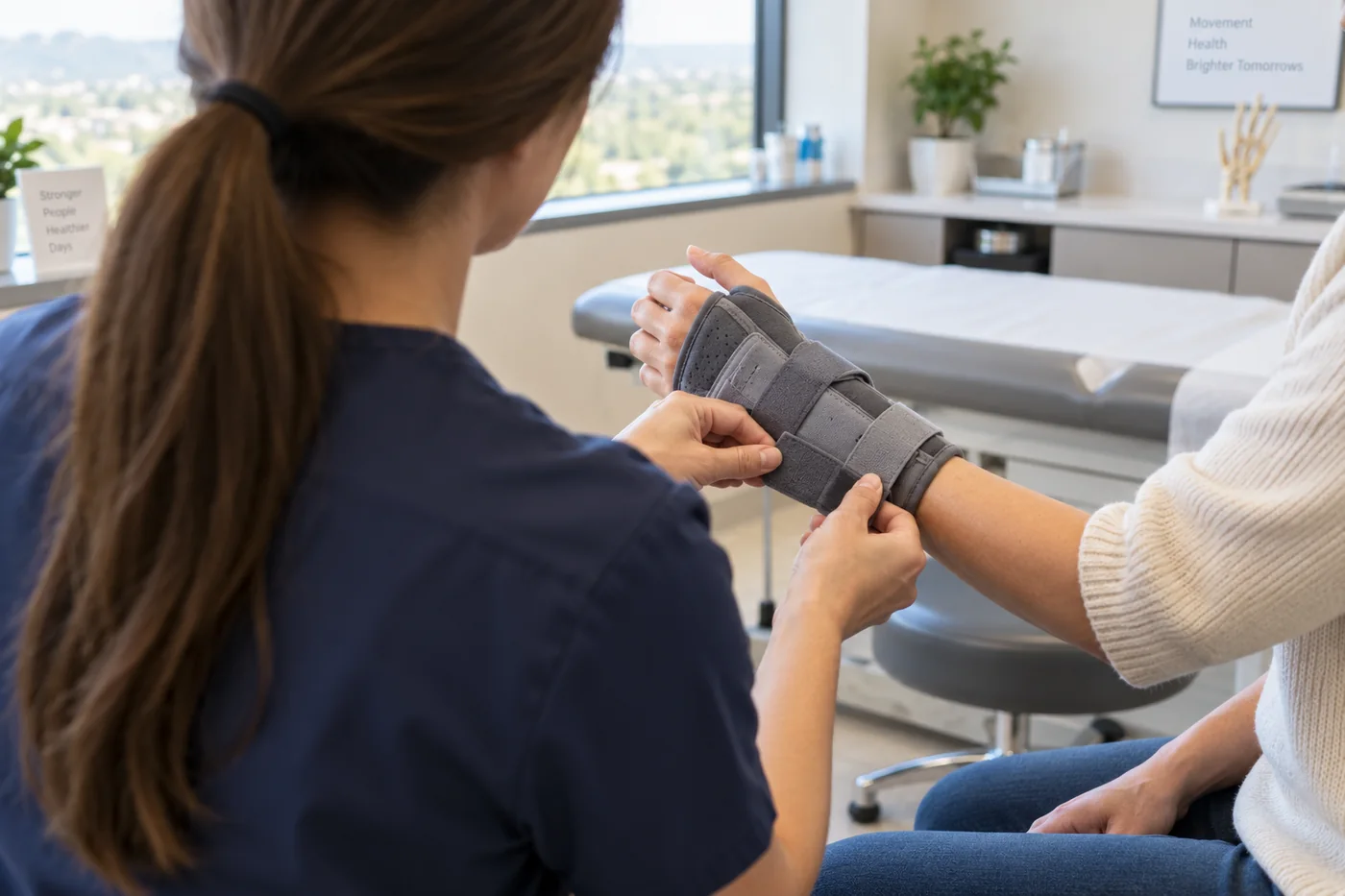
Wrist splint fitted as non-surgical treatment for nerve compression
Ulnar nerve · Wrist

Guyon’s canal Syndrome

Ulnar nerve compression at the wrist, which may affect sensation, fine movement or hand strength.

  • Ring and little-finger symptoms
  • Weak pinch or finger spread
  • Possible cycling or pressure link
Ulnar nerve treatment guide
04
Nerve decompression surgery under loupe magnification
Trauma · Repair

Hand & Digital Nerve Injuries

Cut, crush or stretch injuries can disturb feeling, movement or both, depending on the nerve involved.

  • Numbness after a wound
  • Electric or hypersensitive pain
  • Loss of movement or coordination
Nerve injury and repair guide
A focused diagnosis

Find the nerve, the level and the severity.

A good diagnosis is more than identifying numbness. It combines the symptom pattern, examination and tests only when they will change management.

Bring to your appointmentPrevious nerve tests, imaging, operation notes, splints and a list of activities that trigger symptoms.
01

History and symptom mapping

Which fingers are affected, when symptoms occur, and whether neck, elbow or wrist positions change them.

02

Specialist examination

Sensation, muscle power, grip, coordination and targeted nerve-compression tests.

03

Nerve conduction tests

Used selectively to confirm the nerve involved, assess severity or investigate overlapping problems.

04

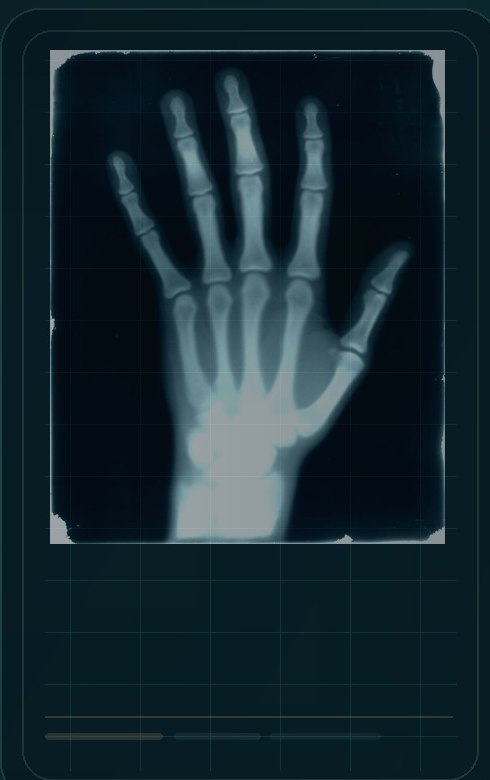
Imaging when useful

Ultrasound, X-ray or MRI may help when anatomy, injury, arthritis, a mass or another diagnosis needs clarification.

Treatment choices

Start with the option that fits the diagnosis.

Treatment depends on the nerve, site of compression, severity, duration, weakness, tissue injury and your daily goals.

Non-surgical hand and wrist care
Non-surgical care

Reduce irritation and protect the nerve.

Early or mild compression may improve with practical changes that reduce pressure while preserving movement and function.

  • Night splinting where appropriate
  • Activity and workstation modification
  • Hand therapy and nerve-gliding advice
  • Medication or injection in selected cases
  • Review for progression or weakness
Surgery when needed

Release pressure or repair the injured nerve.

Surgery is not automatic. It may be discussed when there is severe compression, progressive weakness, evidence of nerve damage, an open injury or symptoms that remain limiting despite suitable non-surgical care.

01

Carpal tunnel release

Divides the ligament forming the roof of the carpal tunnel to reduce pressure on the median nerve.

Procedure guide ↗
02

Cubital tunnel release

Releases the ulnar nerve at the elbow; in selected cases the nerve may be moved to a new position.

Procedure guide ↗
03

Guyon’s canal release

Relieves pressure on the ulnar nerve where it enters the hand at the wrist.

Procedure guide ↗
04

Nerve repair or reconstruction

Direct repair, grafting or nerve transfer may be considered after selected traumatic nerve injuries.

Repair guide ↗
Recovery is individual

Wound healing may be relatively quick, but nerve recovery can take longer. The expected timeline depends on severity, duration, distance from the target muscles and whether the nerve was compressed or physically injured.

Discuss your options
Dr. Shoaib Arshad, hand and wrist specialist
Doctify4.96/555 verified reviews
How Dr. Arshad can help

A plan built around the nerve, your function and your goals.

Dr. Arshad assesses the full pathway—from neck and elbow to wrist and hand—before recommending treatment. The aim is to explain the diagnosis clearly, protect nerve function and choose surgery only when it offers a meaningful benefit.

Fellowship-trained hand & wrist specialistFocused examination and test interpretationNon-surgical and surgical treatment choicesUK and UAE consultations
Meet Dr. Arshad
Patient questions

Hand and wrist nerve condition FAQs.

General information only. Your diagnosis and treatment plan should be based on an individual assessment.

What are common signs of a nerve problem in the hand?+

Numbness, tingling, burning, electric-shock pain, reduced grip, clumsiness and night symptoms are common. The exact finger pattern can help identify which nerve may be involved.

How are hand and wrist nerve conditions diagnosed?+

Diagnosis usually begins with a detailed history and focused examination. Nerve conduction studies, ultrasound, X-rays or MRI may be used when they are likely to clarify the cause, severity or treatment plan.

Do all nerve compression conditions need surgery?+

No. Mild or early compression may be treated with activity changes, splinting, therapy, medication or injection where appropriate. Surgery may be considered when symptoms are severe, weakness is progressing or suitable non-surgical care has not helped enough.

Can nerve damage recover after surgery?+

Recovery depends on the type, severity and duration of the nerve problem. Surgery can relieve pressure or repair an injured nerve, but long-standing severe damage may not recover completely. Your surgeon can explain the realistic goal for your situation.

When should numbness be assessed urgently?+

Seek prompt assessment after a cut, crush injury or fracture with loss of feeling or movement, or if weakness is rapidly progressing. A cold, pale or severely swollen hand also needs urgent medical attention.

UK & UAE consultations

Numbness, tingling or weakness affecting your hand?

Book a specialist assessment and bring any previous nerve tests, imaging, reports or treatment information.

Message us on WhatsApp