Ulnar nerve · elbow
Cubital Tunnel Release Surgery
Surgery to relieve pressure on the ulnar nerve around the elbow; in selected cases the nerve may be moved to a safer position in front of the elbow.
Diagnosis first Confirm the targetAlternatives compared Surgery is not automaticRecovery planned Protection and rehabilitation
02/ 19
Nerve proceduresCubital Tunnel Release
What the procedure treats
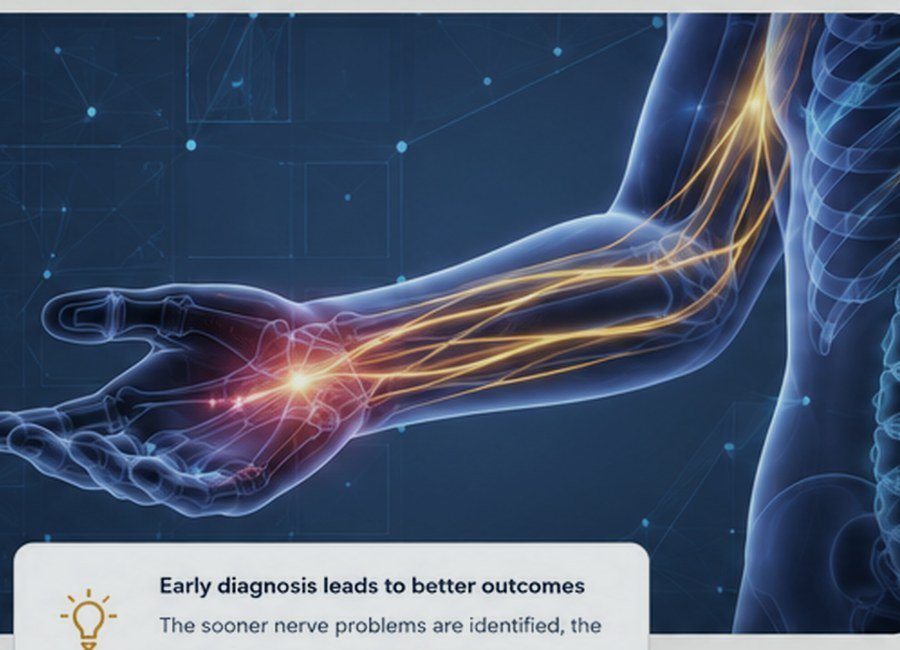
A precise procedure needs a precise diagnosis.
Surgery to relieve pressure on the ulnar nerve around the elbow; in selected cases the nerve may be moved to a safer position in front of the elbow.
ImportantThis guide explains a general surgical pathway. The exact technique and whether it is offered in a particular clinic or hospital require confirmation with Dr Arshad.
Common treatment targets
- Ring and little-finger numbness
- Symptoms worsened by elbow bending
- Weak pinch, grip or hand-muscle change
When surgery may be considered
Move from symptoms to a reasoned decision.
Surgery should have a clear target, a realistic expected benefit and a recovery plan that fits the patient.
Decision frameworkSymptoms → Examination → Tests → Options
- 01Symptoms persist or progress despite activity changes and splinting
- 02Weakness, muscle change or significant nerve-test findings
- 03The nerve is unstable or compressed by a clear structural cause
Alternatives and preparation
Compare what can be tried before surgery.
Some conditions need urgent repair; others allow time to compare protection, therapy, injection, observation or a different operation.
Night positioning or elbow padding
Observation and nerve testing when appropriate
Bring to consultationScans · nerve tests · medication list · prior injections · therapy reports · work and sport goals
Plan your assessment ↗Inside the procedure
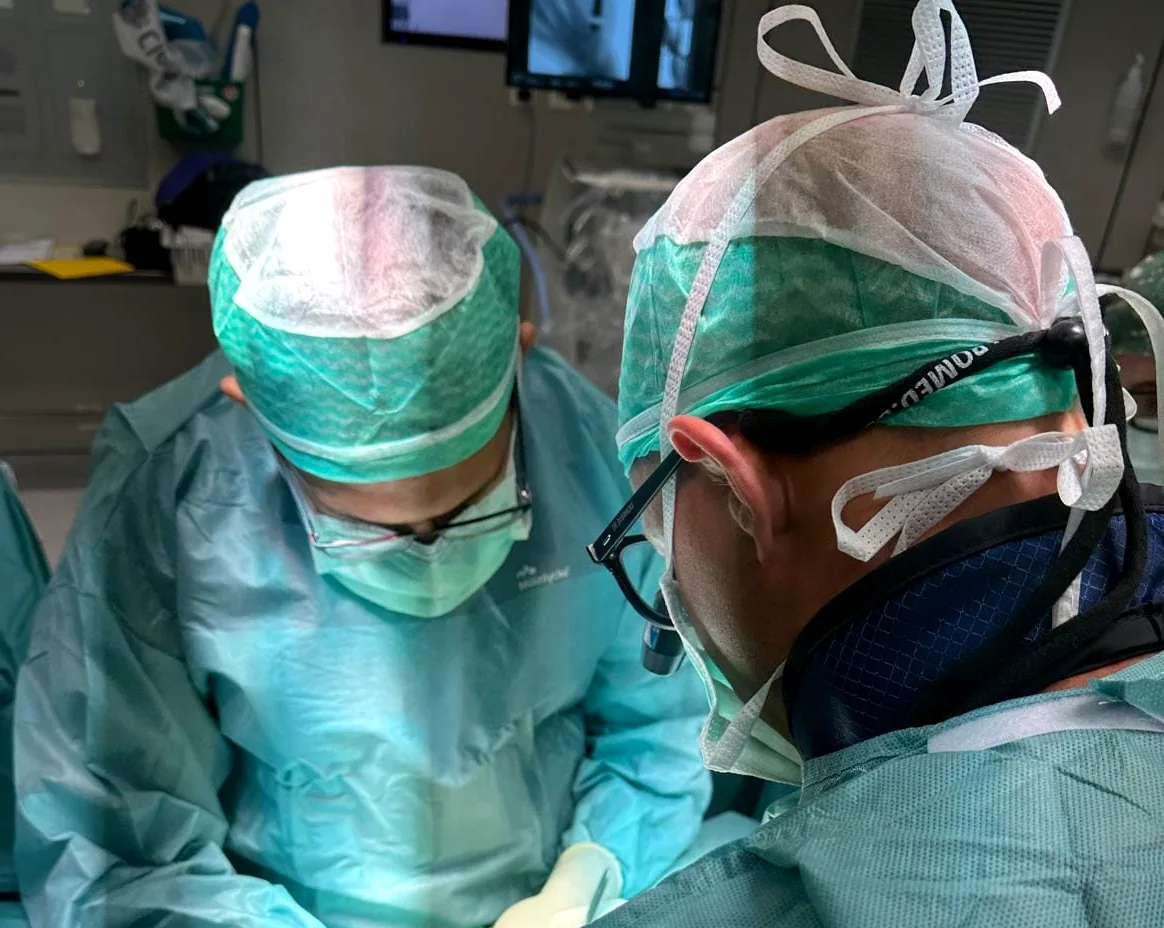
Cubital Tunnel Release: the key stages.
The operative details vary, but the purpose and protection strategy should be clear before surgery.
The ulnar nerve is identified and released along the compressed segment.
The surgeon assesses whether simple decompression is sufficient.
If required, the nerve may be repositioned or a bony prominence addressed.
Anaesthetic and procedure day
A clear plan from arrival to discharge.
Local, regional or general anaesthesia may be used. Many hand procedures do not require an overnight stay, but complexity, injury and health factors can change the plan.
Before
Medication, fasting and transport instructions.
During
Anaesthesia, positioning and the agreed procedure.
After
Dressings, pain control, splinting and warning signs.
Recovery pathway
Protect healing, restore movement, then rebuild load.
These are stages, not promises of a fixed date. The surgeon and hand therapist adjust progression to the repair and response.
Protect the incision and avoid direct pressure
Restore elbow and hand movement as advised
Build strength after tissue healing
Nerve recovery can be gradual
Recovery questions to answerWound care · swelling · splint · therapy · work · driving · gym · sport · travel
Benefits, limits and risks
Make an informed choice—not a rushed one.
The risk profile depends on the diagnosis, procedure, health and previous treatment. Dr Arshad will discuss the risks that matter for your case.
Possible considerations
- Scar sensitivity
- Temporary or persistent numbness
- Elbow stiffness
- Nerve irritation or incomplete recovery

 4.96/555 verified reviews
Why consult Dr Arshad
Specialist hand and wrist assessment before committing to surgery.
Fellowship-trained consultant orthopaedic hand and wrist surgeon with UK specialist training and more than 17 years in orthopaedic surgery, seeing private patients at The Highfield Hospital, Rochdale, Greater Manchester.
Confirm the diagnosisCompare surgical and non-surgical optionsPlan rehabilitation around work and function
Meet Dr Arshad ↗Related procedure guides
Explore the same treatment family.
Related procedures may treat a different anatomical level or a different stage of the same problem.
Questions patients ask
Cubital Tunnel Release FAQs.
General guidance only. The final procedure, hospital setting and recovery plan require individual clinical assessment.
Why might cubital tunnel release be recommended?+
It may be discussed when the diagnosis is clear, symptoms or structural damage remain significant, and the expected benefit is greater than suitable alternatives.
What anaesthetic is used?+
Local, regional or general anaesthesia may be used depending on the procedure, patient health, preference and hospital setting. The exact plan is confirmed before surgery.
Will I go home the same day?+
Many hand and wrist procedures are performed without an overnight stay, but this is not universal. Injury complexity, anaesthetic and health factors can change the plan.
How long is recovery?+
Wound healing, tissue healing, movement, strength and nerve recovery occur on different timelines. Your procedure-specific restrictions and goals determine the plan.
Could symptoms remain after surgery?+
Yes. Longstanding nerve or joint damage, stiffness, scar sensitivity, incomplete healing or another pain source can limit recovery. Expectations should be discussed before surgery.
Patient education referenceAAOS: Cubital Tunnel Release
View source ↗Hand surgery · Greater Manchester
Need to know whether cubital tunnel release is right for you?
Request a specialist consultation and bring previous reports, scans, nerve tests and treatment information.