 01
01
Median nerve · wrist
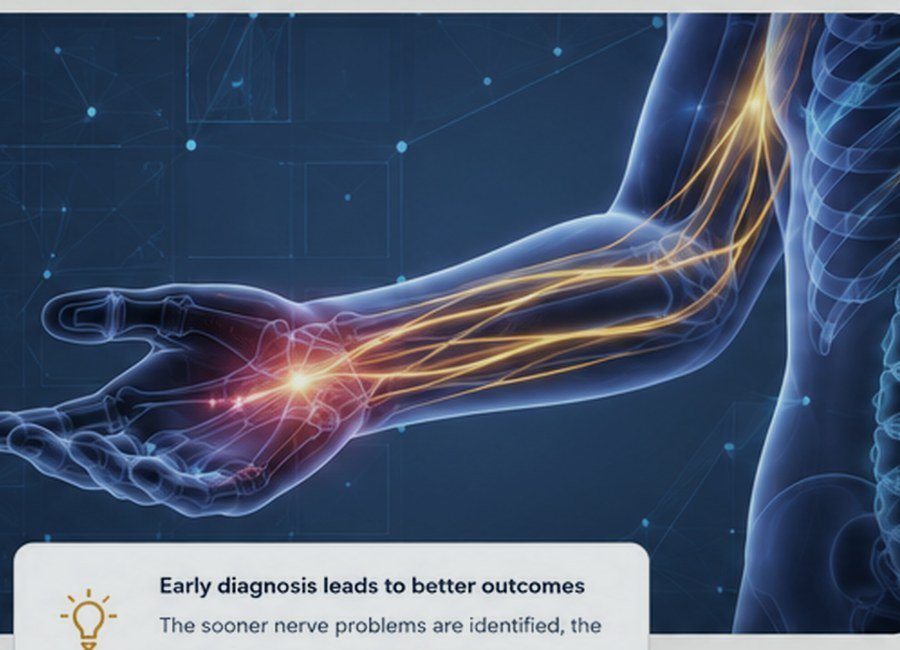
Carpal Tunnel Release
A procedure that increases space in the carpal tunnel by dividing the transverse carpal ligament and reducing pressure on the median nerve.
Explore specialist options for nerve compression, tendon injury, wrist instability, fractures, arthritis and complex hand problems. The first step is a clear diagnosis—surgery is considered only when it offers a meaningful route back to function.
Select a category to filter the library. Every guide covers why the procedure may be considered, alternatives, preparation, recovery and risks.
01
A procedure that increases space in the carpal tunnel by dividing the transverse carpal ligament and reducing pressure on the median nerve.
02
Surgery to relieve pressure on the ulnar nerve around the elbow; in selected cases the nerve may be moved to a safer position in front of the elbow.
03
Decompression of the ulnar nerve where it passes through Guyon’s canal at the wrist, sometimes combined with treatment of a ganglion or other local cause.
04
Microsurgical treatment for a cut or severely damaged nerve, using direct repair, a graft or a nerve transfer according to the injury and gap.
 05
05
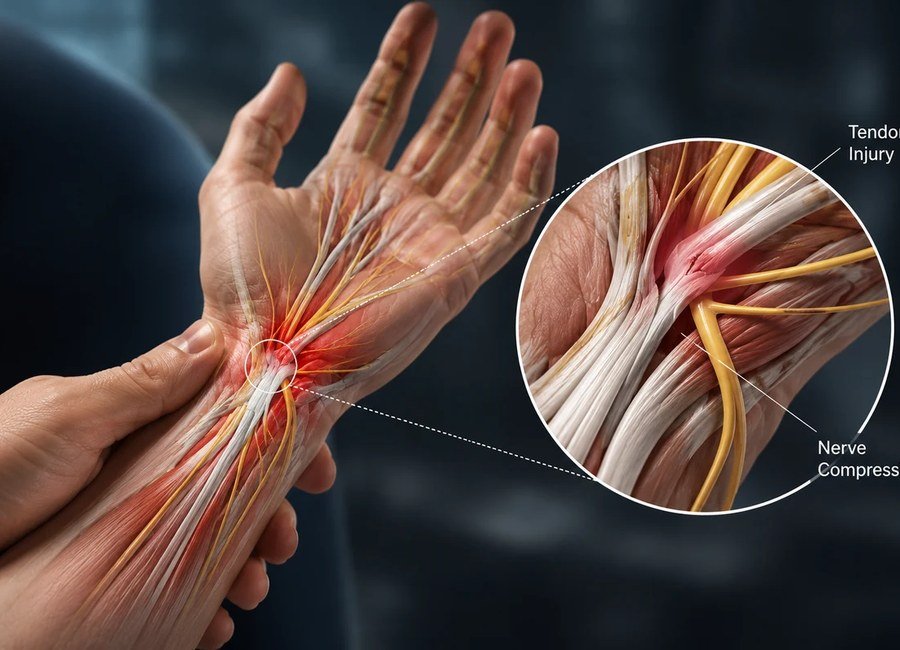
A procedure that opens the tight A1 pulley so the flexor tendon can glide more freely and the finger can bend and straighten without catching.
06
Release of the tendon sheath on the thumb side of the wrist to create more room for the irritated tendons.
07
Repair of a cut or torn flexor tendon to restore finger or thumb bending, followed by protected rehabilitation to balance healing and glide.
08
Repair or reconstruction of an extensor tendon that straightens the finger or thumb, with splinting and therapy tailored to the injury zone.
 09
09
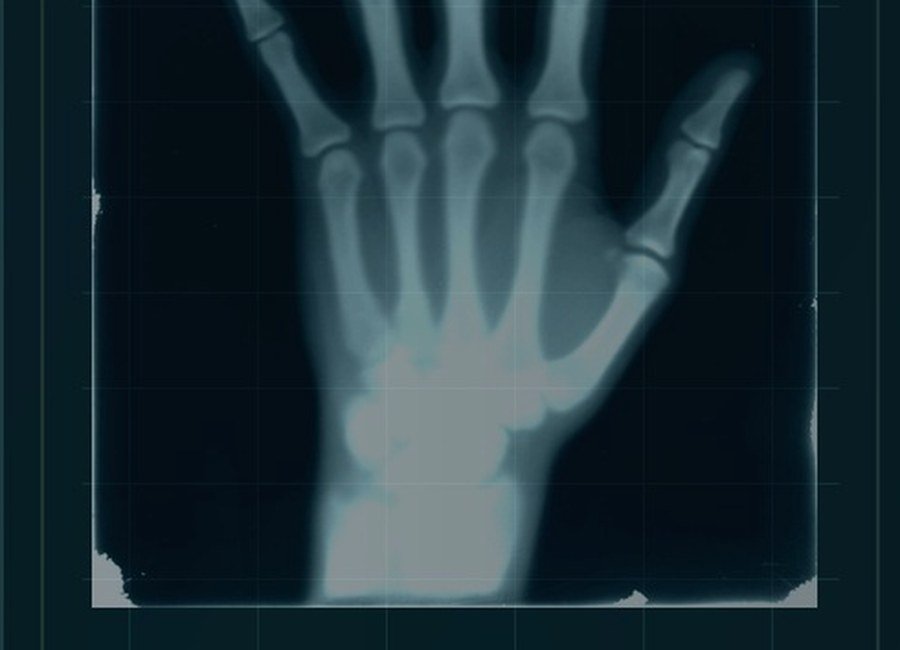
A small-camera procedure used to inspect the wrist joint and, in selected cases, treat cartilage, ligament, TFCC, ganglion or fracture-related problems.
10
Arthroscopic or open treatment of a selected TFCC tear, using debridement or repair according to the tear location, tissue quality and wrist stability.
11
Repair or reconstruction designed to restore alignment between the scaphoid and lunate in a symptomatic unstable wrist.
12
Removal of a symptomatic ganglion cyst and its connection to the joint or tendon sheath when observation or aspiration is not suitable.
 13
13
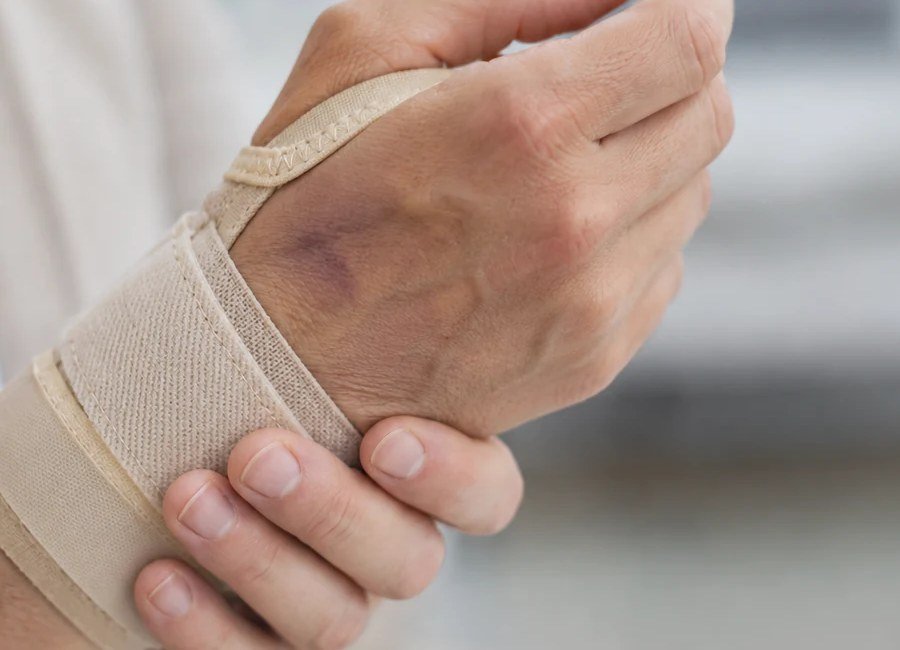
Surgical realignment and stabilisation of an unstable or displaced distal radius fracture, commonly using a plate and screws.
14
Internal fixation of a displaced, unstable or selected high-risk scaphoid fracture, sometimes with bone graft for delayed healing or nonunion.
15
Reduction and fixation of an unstable hand or finger fracture using pins, screws or plates selected for the fracture and soft-tissue condition.
 16
16
Procedure to divide or remove diseased palmar tissue so a contracted finger can straighten more effectively.
17
Surgery for painful thumb-base arthritis, commonly involving removal of the arthritic trapezium and stabilisation or reconstruction of the thumb metacarpal.
18
Partial or total fusion of painful damaged wrist joints to improve stability and relieve pain, with an accepted reduction or loss of wrist motion.
19
Replacement of damaged wrist joint surfaces with an implant to reduce pain while preserving some wrist movement in carefully selected patients.
The procedure, anaesthetic, protection and rehabilitation are planned around the diagnosis, tissue quality, work, sport and personal priorities.
Symptoms, examination and targeted tests establish what is actually being treated.
Expected benefits, alternatives, limitations and risks are discussed clearly.
Health, medicines, fasting, transport and home support are organised.
Splinting, wound care, movement, therapy and return to activity are staged.
Many hand and wrist problems improve with splinting, therapy, activity change, medication or injection. Surgery becomes relevant when symptoms remain limiting, structure is unstable or damaged, or delay may reduce recovery potential.
Imaging, tissue handling, fixation, protection and rehabilitation must work as one pathway.
See the patient journey ↓The details vary by procedure, but the decision pathway should remain clear and predictable.
Define symptoms, function, examination findings, prior treatment and the outcome that matters to you.
The exact plan depends on what was repaired, released, fixed or reconstructed. Select a topic to see the questions that should be answered before surgery.
Dressings, elevation, finger movement and warning signs should be clear before you leave the hospital or clinic.
Nerve releases may allow early motion, while tendon, ligament and fracture repairs often need stricter protection.
Therapy timing is specific to the procedure. Too little movement can cause stiffness; too much can threaten a repair.
Return depends on hand dominance, job demands, pain control, grip and the ability to operate a vehicle safely.
Strength follows tissue healing. Sport-specific progression is safer than using a single universal recovery date.
Risk differs by procedure and patient. These themes are discussed in context rather than used as a generic checklist.
Risk is usually low but varies with health, smoking, diabetes, injury type and the procedure.
Hand and wrist tissues can remain swollen and stiff; movement and therapy are balanced against repair protection.
Temporary numbness, tingling or scar sensitivity may occur depending on the incision and structures treated.
Surgery treats a defined target but cannot reverse every cause of pain or longstanding nerve/tissue damage.
Hardware removal, revision, therapy or another procedure may occasionally be needed.

 4.96/555 verified reviews
Dr Shoaib Arshad is a fellowship-trained consultant orthopaedic hand and wrist surgeon with UK specialist training and more than 17 years in orthopaedic surgery.
These answers are general. Procedure choice, anaesthetic, discharge and recovery require individual assessment.
Surgery is considered when the diagnosis is clear and the expected benefit outweighs the alternatives and risks. Persistent symptoms, weakness, instability, structural damage or failed non-surgical care may be relevant.
Many procedures can be performed without an overnight stay, but this depends on the operation, anaesthetic, health, injury complexity and hospital arrangements.
Some releases need only short wound protection. Tendon, ligament and fracture repairs may require a precise splint and supervised therapy.
This varies with the procedure, hand dominance, job demands, medication, dressings and whether you can control a vehicle safely.
Bring previous reports, scans or X-rays, nerve tests, medication list, details of prior injections or therapy and the activities you need your hand to perform.
Request a specialist assessment to confirm the diagnosis, compare options and understand the likely recovery before making a decision.