
Ring and little finger tingling
Pins and needles or reduced sensation in the ulnar-side fingers.
Tingling in the little finger, symptoms when the elbow stays bent or a weaker pinch can point to ulnar nerve compression at the elbow. A specialist assessment helps identify the level and severity before hand weakness progresses.

Compression or irritation of the ulnar nerve behind the inside of the elbow.
Tingling or numbness in the little finger and part of the ring finger.
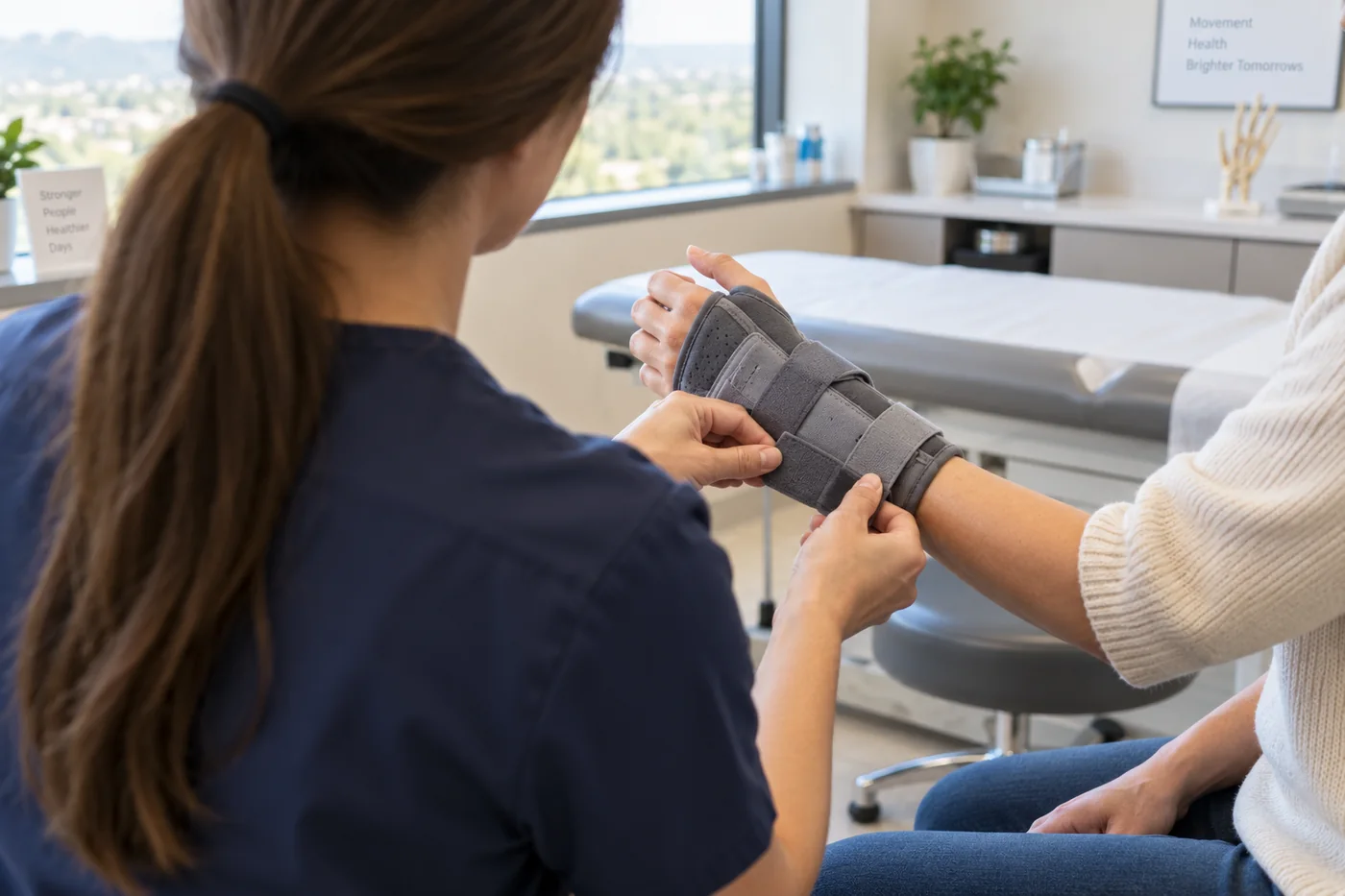
Reduce prolonged elbow bending or pressure and consider night positioning or bracing.
When weakness, nerve damage, severe compression or persistent limiting symptoms are present.
The ulnar nerve runs behind the bony prominence on the inside of the elbow, where it lies close to the skin. Compression or repeated irritation in this area is called cubital tunnel syndrome.
Symptoms may worsen when the elbow is bent for a long time, when leaning on the elbow or during sleep. Severe or long-standing compression can weaken the small muscles that control pinch, finger coordination and grip.
Symptoms vary with the nerve involved and how long it has been affected. Persistent numbness, weakness or loss of function deserves specialist assessment.
Pins and needles or reduced sensation in the ulnar-side fingers.
Phone use, driving or sleeping with the elbow flexed may trigger symptoms.
Tapping or pressure at the inner elbow may send a sensation into the hand.
Difficulty opening containers, using keys or holding thin objects.
Typing, buttons and coordinated finger movement can become more difficult.
Visible hand-shape change or increasing weakness needs timely assessment.
A useful consultation connects the symptom pattern to the level of the nerve and the underlying cause—not just the label.
Flexion stretches and increases pressure around the ulnar nerve.
Leaning on the inner elbow can irritate a nerve that lies close to the skin.
In some people the nerve moves over the elbow bone during bending.
Fracture, swelling, arthritis or scar tissue can reduce space around the nerve.
The assessment should identify whether the problem is at the elbow, wrist, neck or another point along the ulnar nerve.
The exact fingers involved and whether elbow position changes symptoms.
Nerve tenderness, stability, sensation, finger spread, pinch and muscle bulk.
Used to confirm compression, assess severity or look for additional nerve problems.
May show nerve enlargement, instability, arthritis, previous injury or another cause.
Surgery is not automatic. Treatment is matched to symptom severity, nerve function, the underlying cause and the patient’s goals.
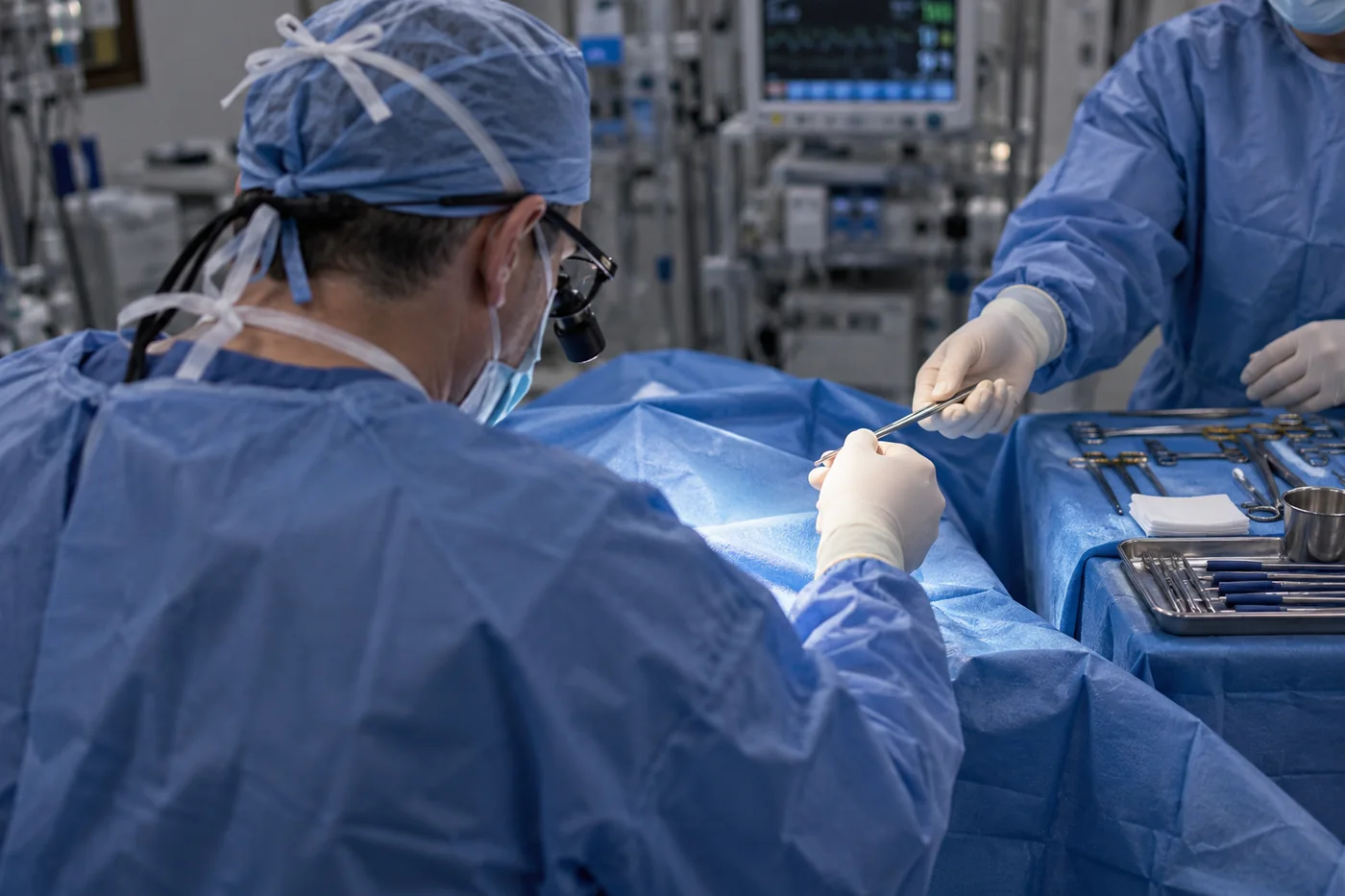
Surgery may be recommended when non-surgical care has not helped, when compression is severe or when there is hand weakness or evidence of nerve damage.
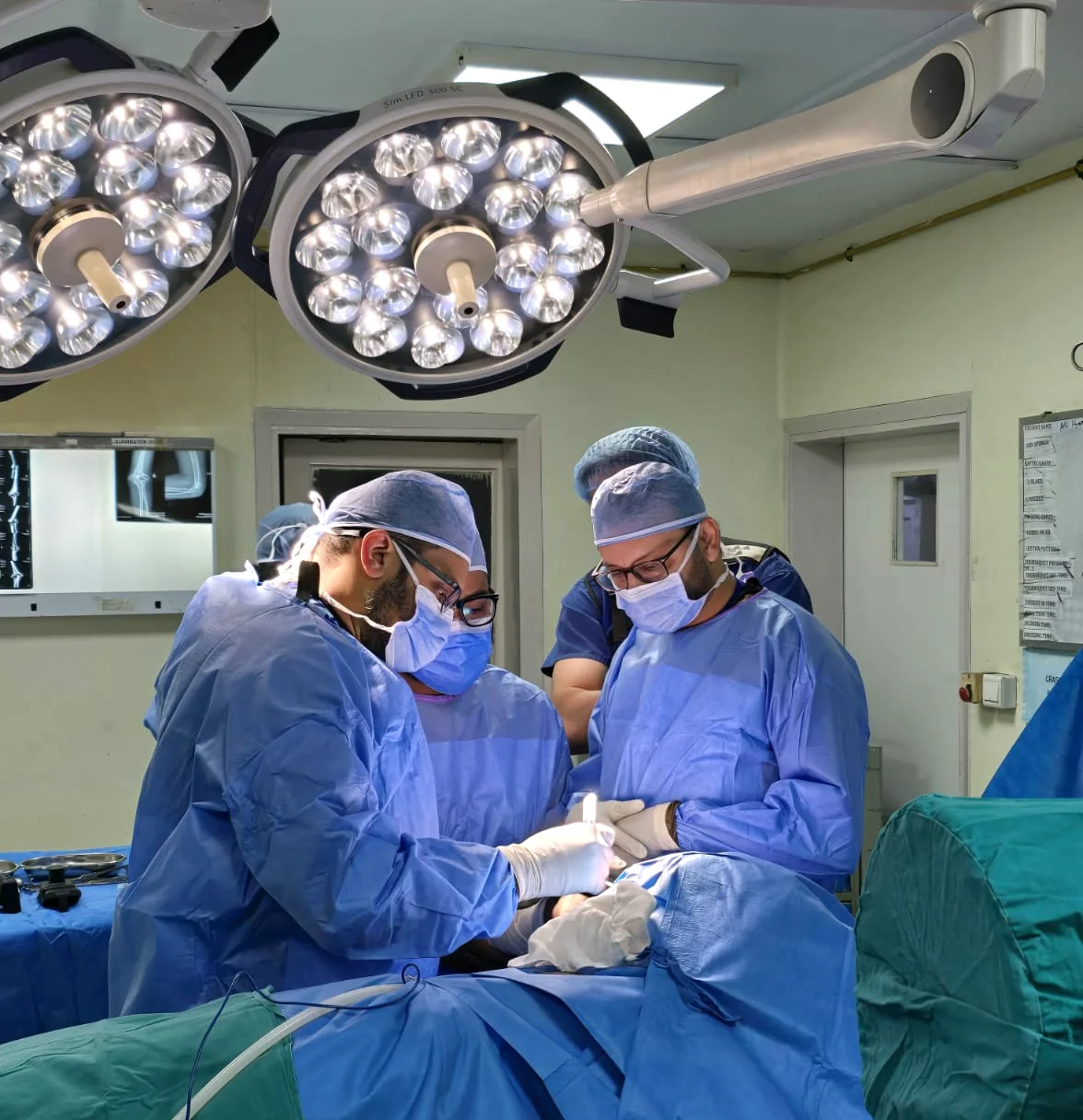
Timelines are guides only. The procedure, nerve severity, wound, job and associated injuries all influence recovery.
Elevation, wound care and finger movement; elbow instructions depend on the technique used.
Wound review and gradual progression of light activities.
Strength and work demands are increased according to symptoms and healing.
Nerve recovery may continue over a long period, particularly in severe cases.

 4.96/555 verified reviews
Dr Shoaib Arshad is a fellowship-trained consultant orthopaedic hand and wrist surgeon with UK specialist training and more than 17 years in orthopaedic surgery.
General information only. Your diagnosis and treatment plan should be based on an individual medical assessment.
Many mild cases improve with activity changes, avoiding pressure and night positioning. Surgery is considered for severe, progressive or persistent symptoms.
Elbow flexion can stretch the ulnar nerve and reduce the space around it, which may increase tingling or numbness.
Release opens the tight tissue around the nerve. Transposition also moves the nerve to a new position and is used in selected cases, such as when the nerve is unstable.
Recovery depends on how severely and how long the nerve has been compressed. Surgery may improve function or prevent further deterioration, but long-standing muscle loss may not fully reverse.
Dr Arshad sees private patients at The Highfield Hospital, Manchester Road, Rochdale OL11 4LZ — within easy reach of Manchester, Oldham, Bury, Bolton and the wider North West. You can book online through Circle Health Group, call +44 7443 213645, or send an enquiry and the team will help.
Request a specialist consultation and bring any previous imaging, nerve tests, reports or treatment information.