
Numbness after a wound
A clearly defined numb area may follow a cut on one side of a finger.
Loss of feeling after a cut, electric-shock pain or weakness following a hand injury may mean a nerve has been damaged. Early specialist assessment can identify whether the nerve is bruised, compressed, stretched or divided and whether surgical repair is appropriate.
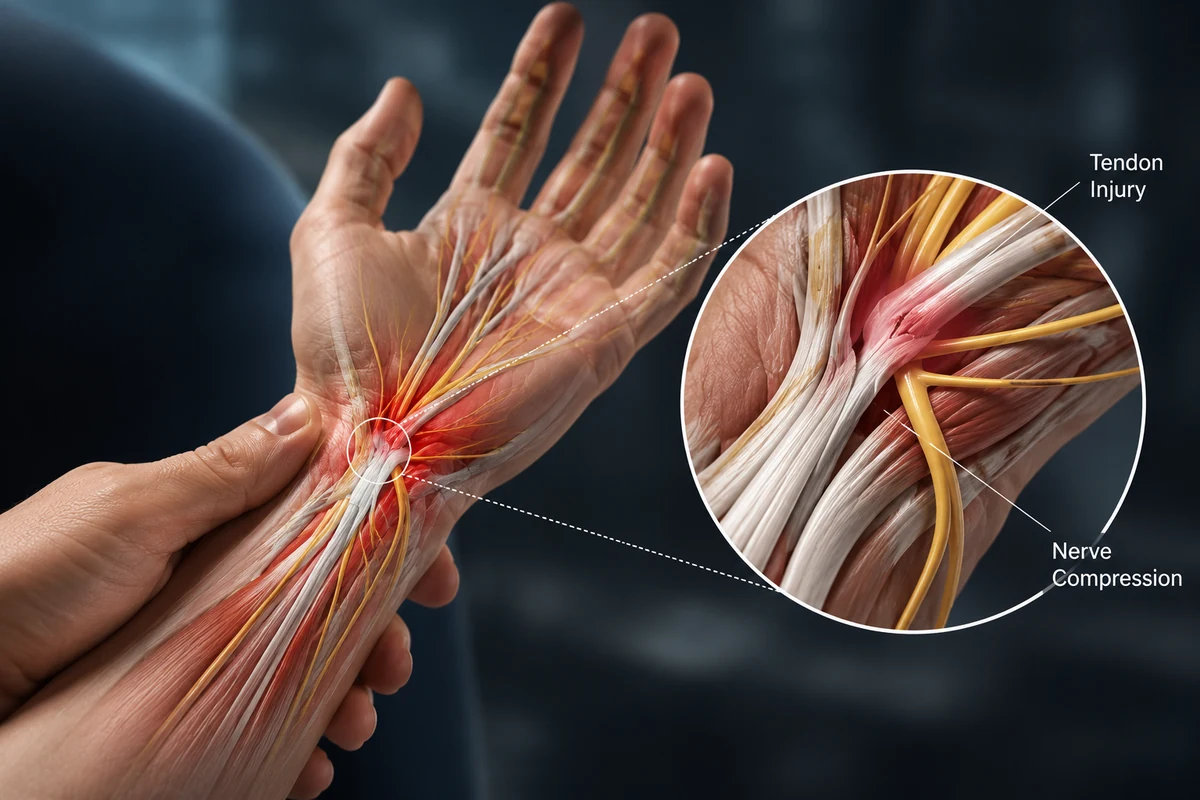
Damage to a sensory digital nerve or a larger median, ulnar or radial nerve in the upper limb.
Open wounds, loss of feeling or movement, severe swelling, bleeding or a cold/pale finger.
Observation, wound care, splinting, therapy or microsurgical repair depending on the injury.
Nerve fibres regrow slowly; recovery depends on injury level, gap, age and associated damage.
Digital nerves run along both sides of each finger and thumb and provide sensation to the fingertip. Larger peripheral nerves also supply movement and feeling across the hand.
A sharp cut can divide a nerve, while crush, stretch or traction injuries may damage the nerve fibres without completely severing the outer tube. The treatment plan depends on the wound, the nerve involved and whether tendons, blood vessels or bone are also injured.
Symptoms vary with the nerve involved and how long it has been affected. Persistent numbness, weakness or loss of function deserves specialist assessment.
A clearly defined numb area may follow a cut on one side of a finger.
A damaged nerve can cause burning, shocks or hypersensitivity.
Larger nerve injuries may weaken finger, thumb or wrist movement.
Reduced sensation increases the risk of burns or cold injury.
A nerve end can become sensitive and painful at the injury site.
Difficulty bending or straightening may indicate combined tendon damage.
A useful consultation connects the symptom pattern to the level of the nerve and the underlying cause—not just the label.
Glass, knives, metal or workplace injuries can partly or completely divide a nerve.
Doors, machinery or heavy objects can damage nerves together with soft tissue and bone.
A nerve can be pulled during dislocation, fracture or a severe soft-tissue injury.
Healing tissue may tether or compress a nerve after the original injury.
Assessment should document the wound, sensation, movement, circulation and any associated tendon, vessel, joint or bone injury.
Mechanism, timing, contamination, depth and the exact position of the wound.
Light touch, two-point discrimination and the precise numb area.
Finger, thumb and wrist movement helps identify motor nerve or tendon injury.
X-ray, ultrasound or later electrodiagnostic tests may be useful depending on the injury.
Surgery is not automatic. Treatment is matched to symptom severity, nerve function, the underlying cause and the patient’s goals.
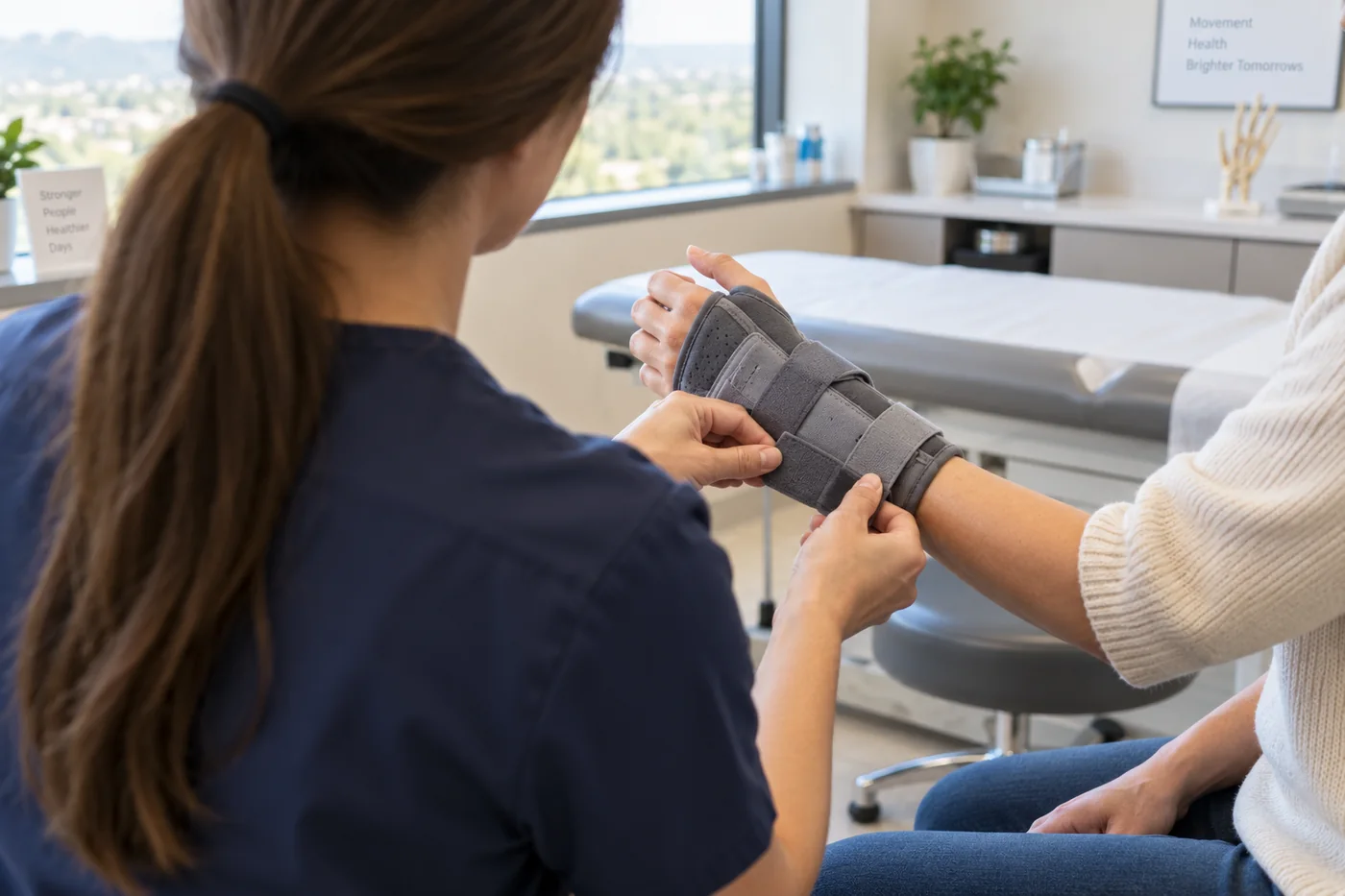
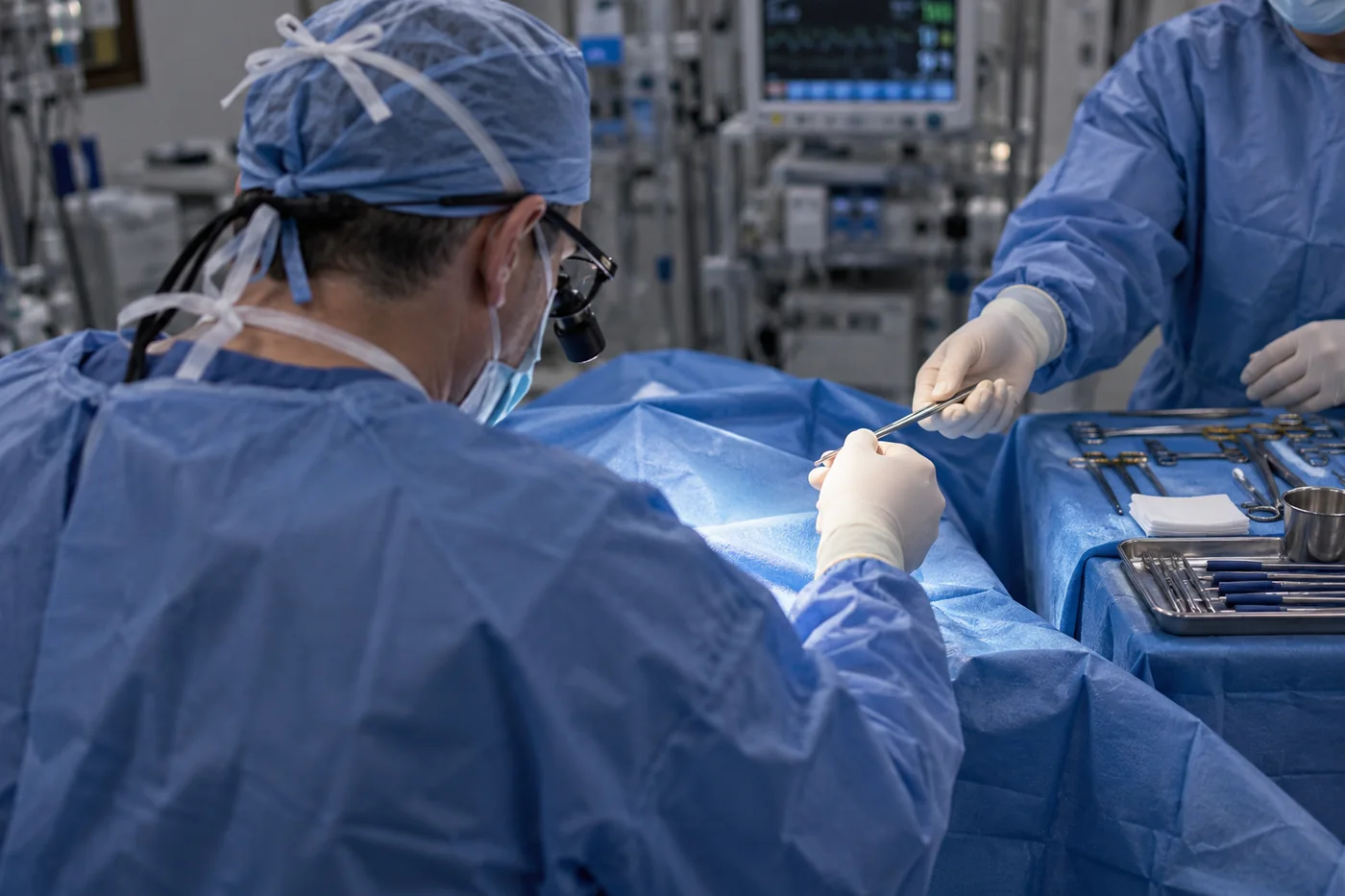
Surgical repair is considered when a nerve has been divided or when the pattern of injury is unlikely to recover adequately without reconstruction. Timing and technique depend on the wound and associated damage.
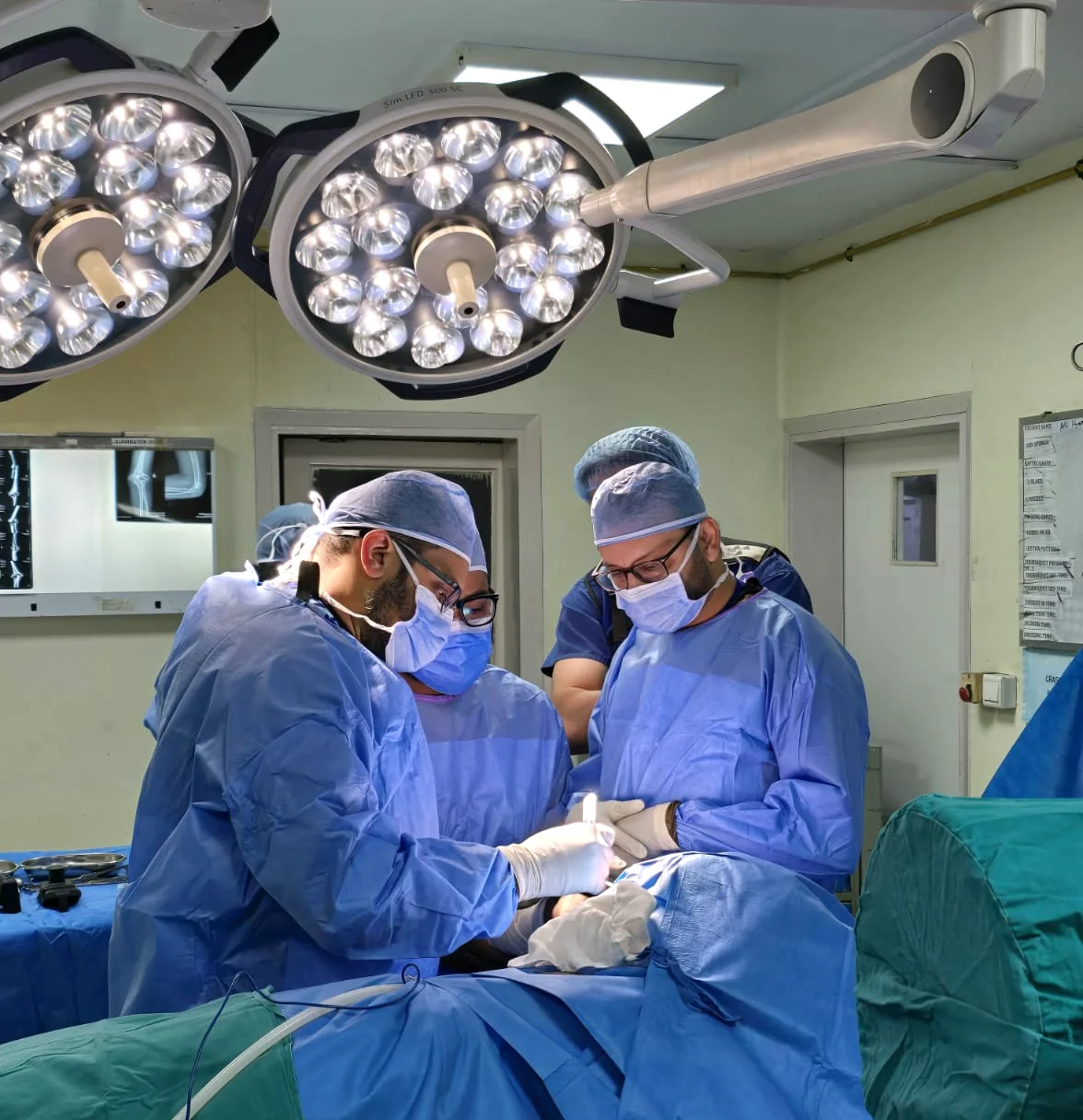
Timelines are guides only. The procedure, nerve severity, wound, job and associated injuries all influence recovery.
Elevation, wound protection and a hand-therapy review according to the repair.
The outer nerve repair is protected while controlled movement progresses.
Sensation may begin to return as nerve fibres reach the fingertip or target muscles.
Sensory re-education, strength and function can continue improving for many months or years.

 4.96/555 verified reviews
Dr Shoaib Arshad is a fellowship-trained consultant orthopaedic hand and wrist surgeon with UK specialist training and more than 17 years in orthopaedic surgery.
General information only. Your diagnosis and treatment plan should be based on an individual medical assessment.
No. The decision depends on the nerve, wound, numb area, functional loss, gap and expected benefit. A hand surgeon should assess the injury.
A deep wound with loss of feeling or movement should be assessed urgently. Early evaluation also checks circulation, tendons and contamination.
After an initial healing period, regenerating axons are commonly described as growing at roughly 1 mm per day, but functional recovery varies widely.
Not always. Age, injury level, gap, scar, delay, associated damage and rehabilitation all influence recovery.
Dr Arshad sees private patients at The Highfield Hospital, Manchester Road, Rochdale OL11 4LZ — within easy reach of Manchester, Oldham, Bury, Bolton and the wider North West. You can book online through Circle Health Group, call +44 7443 213645, or send an enquiry and the team will help.
Request a specialist consultation and bring any previous imaging, nerve tests, reports or treatment information.