
Numbness or tingling
Pins and needles in the thumb-side fingers, often worse at night.
Night-time numbness, tingling or a weaker grip can make work, sleep and everyday tasks difficult. A focused hand and wrist assessment can confirm whether the median nerve is being compressed and which treatment pathway fits your symptoms.

Pressure on the median nerve as it passes through the carpal tunnel at the wrist.
Thumb, index, middle and thumb-side half of the ring finger.
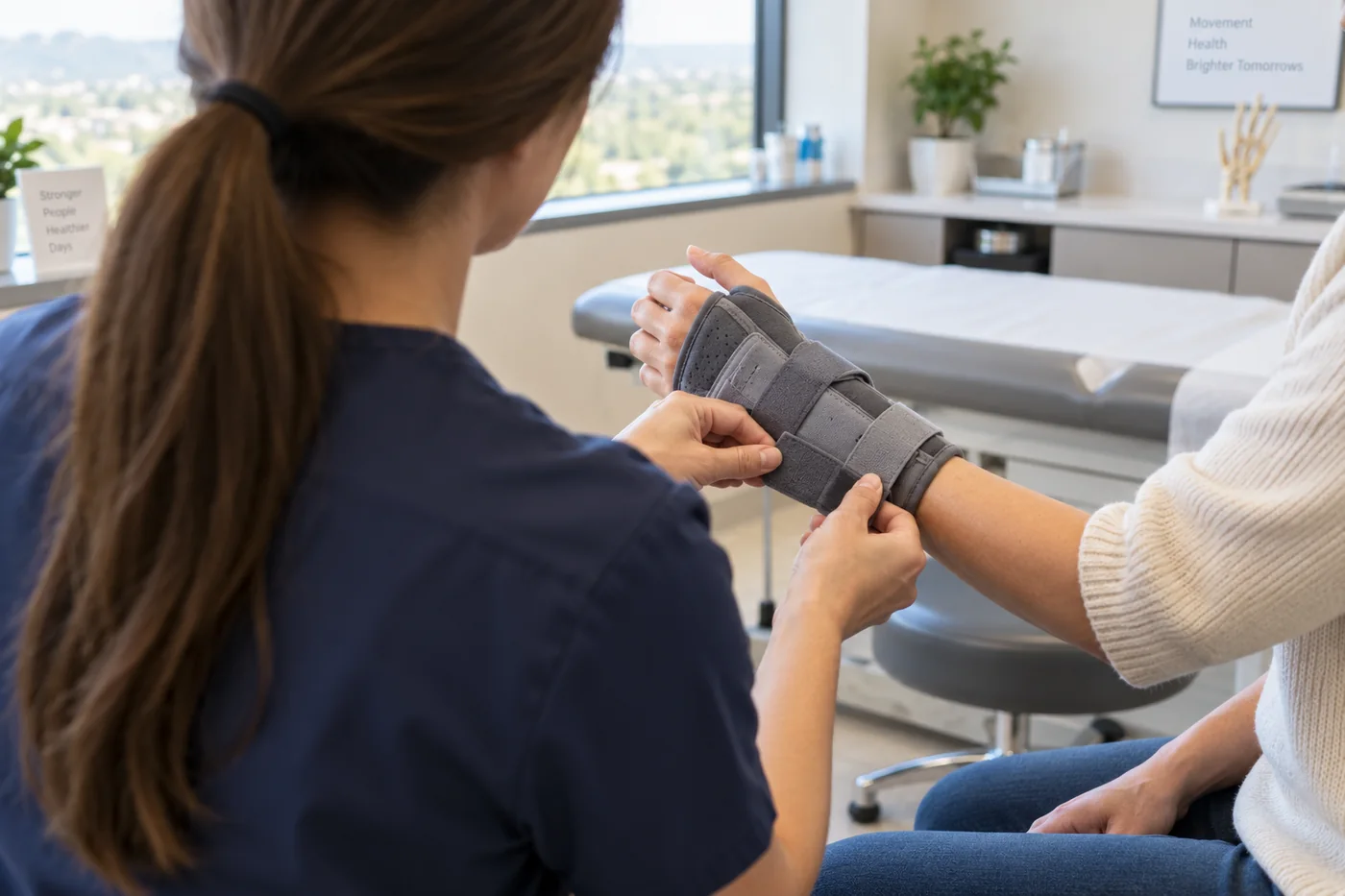
A neutral wrist splint, activity changes and selected non-surgical options.
When symptoms are severe, progressive, damaging the nerve or remain limiting despite suitable care.
The carpal tunnel is a rigid passage at the wrist containing the median nerve and the tendons that bend the fingers. When space in the tunnel becomes limited, pressure on the median nerve can cause numbness, tingling, pain and weakness.
Symptoms often begin gradually and may be most noticeable at night, while driving, holding a phone or performing repetitive hand tasks. Early assessment matters because long-standing compression can lead to persistent loss of feeling or weakness around the thumb.
Symptoms vary with the nerve involved and how long it has been affected. Persistent numbness, weakness or loss of function deserves specialist assessment.
Pins and needles in the thumb-side fingers, often worse at night.
Symptoms may wake you and temporarily improve after shaking the hand.
Aching, burning or electric discomfort can travel from the wrist into the forearm.
Difficulty holding small objects, opening jars or using keys.
Reduced sensation or thumb weakness can make the hand feel clumsy.
Visible flattening at the thumb base is a sign that needs timely specialist assessment.
A useful consultation connects the symptom pattern to the level of the nerve and the underlying cause—not just the label.
Swelling around the flexor tendons or a naturally smaller tunnel can increase pressure.
Diabetes, thyroid disease, inflammatory arthritis and pregnancy can be associated with symptoms.
Fracture, swelling or joint change may reduce space in the tunnel.
Prolonged forceful gripping or sustained wrist positions may aggravate an already sensitive nerve.
The aim is to confirm the diagnosis, assess severity and rule out problems in the neck, elbow or other parts of the hand.
Which fingers are affected, when symptoms occur and what makes them better or worse.
Sensation, thumb strength, grip and provocative tests around the wrist.
Nerve conduction studies and EMG can help confirm severity or investigate overlapping conditions.
Ultrasound or X-ray may be used when a mass, arthritis, injury or another cause is suspected.
Surgery is not automatic. Treatment is matched to symptom severity, nerve function, the underlying cause and the patient’s goals.

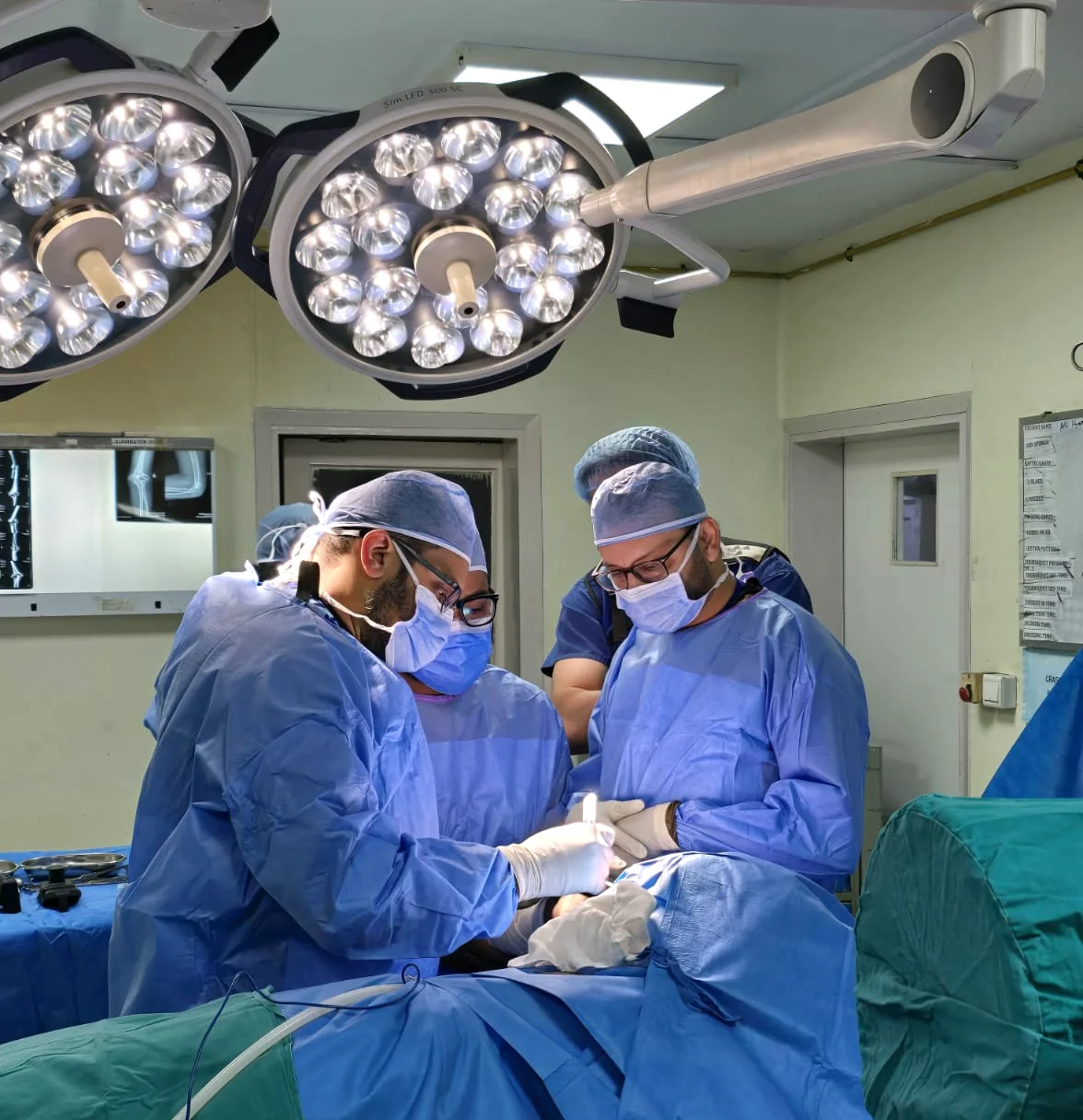
Surgery is considered when nerve pressure is severe, weakness or nerve damage is present, or symptoms remain limiting despite appropriate non-surgical treatment.
Timelines are guides only. The procedure, nerve severity, wound, job and associated injuries all influence recovery.
Elevation, wound care, finger movement and sensible use within the instructions provided.
Wound review and suture care where applicable; light daily tasks often progress gradually.
Grip, scar comfort and work demands are reviewed; heavier activity is introduced individually.
Nerve recovery can continue for months, especially when compression was severe or long-standing.

 4.96/555 verified reviews
Dr Shoaib Arshad is a fellowship-trained consultant orthopaedic hand and wrist surgeon with UK specialist training and more than 17 years in orthopaedic surgery.
General information only. Your diagnosis and treatment plan should be based on an individual medical assessment.
Yes. Mild or early symptoms may improve with a neutral wrist splint, activity changes and other non-surgical treatment. Surgery may be discussed when symptoms are severe, progressive or persistent.
The finger pattern, examination and sometimes nerve tests help distinguish median nerve compression at the wrist from a nerve problem in the neck or elsewhere.
Pain control is planned around the procedure. Wound tenderness and discomfort at the heel of the hand can occur during recovery and usually settle gradually.
This depends on the hand used, wound healing and whether your job is desk-based, manual or safety-critical. A personalised return-to-work plan is safer than a fixed date.
Dr Arshad sees private patients at The Highfield Hospital, Manchester Road, Rochdale OL11 4LZ — within easy reach of Manchester, Oldham, Bury, Bolton and the wider North West. You can book online through Circle Health Group, call +44 7443 213645, or send an enquiry and the team will help.
Request a specialist consultation and bring any previous imaging, nerve tests, reports or treatment information.