
Little-finger numbness
Tingling or reduced feeling on the ulnar side of the hand.
Numbness in the little-finger side of the hand, weak pinch or difficulty coordinating the fingers can arise when the ulnar nerve is compressed at the wrist. The cause may be a ganglion cyst, repeated palm pressure or another local problem that needs targeted assessment.
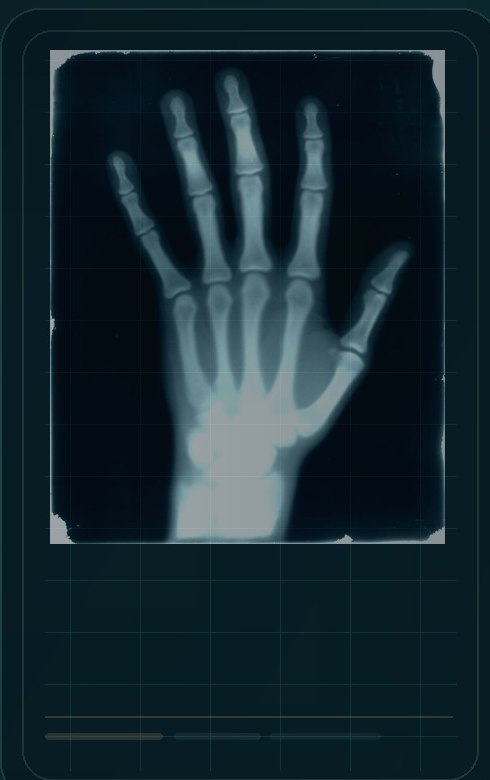
Compression of the ulnar nerve as it passes through Guyon’s canal at the wrist.
Little finger and outer half of the ring finger, with possible pinch or grip weakness.
Ganglion cyst, chronic pressure, repetitive trauma, fracture or individual anatomy.
Remove the pressure source and protect nerve function; surgery depends on the cause.
Guyon’s canal is a narrow passage on the palm side of the wrist near the little-finger side. The ulnar nerve divides into branches in this area, so compression can produce sensory symptoms, motor weakness or both.
The pattern can look similar to cubital tunnel syndrome at the elbow. A careful examination is needed to identify where along the nerve the problem is occurring and whether a cyst or another structure is causing pressure.
Symptoms vary with the nerve involved and how long it has been affected. Persistent numbness, weakness or loss of function deserves specialist assessment.
Tingling or reduced feeling on the ulnar side of the hand.
Difficulty holding paper, turning a key or gripping thin objects.
Spreading or bringing the fingers together may feel weaker.
Pressure from handlebars may trigger numbness or weakness.
A lump, tenderness or local pressure may be present near the canal.
Blue, pale or cold fingers can suggest a circulation issue and need prompt assessment.
A useful consultation connects the symptom pattern to the level of the nerve and the underlying cause—not just the label.
A benign fluid-filled cyst from the wrist joint is a common local cause.
Long-distance cycling, tools or repeated weight through the ulnar palm can irritate the nerve.
A bone fragment, arthritis or scar can alter the canal.
A naturally narrow tunnel or another soft-tissue structure may compress the nerve.
Diagnosis must distinguish wrist-level ulnar compression from cubital tunnel syndrome at the elbow and problems arising from the neck.
Sensation in the ring and little fingers plus the pattern of hand weakness.
Pinch, grip, finger spread, muscle bulk, tenderness and any local lump.
Can help identify the nerve level and whether motor or sensory branches are affected.
Used selectively to identify a cyst, fracture fragment, joint change or another cause.
Surgery is not automatic. Treatment is matched to symptom severity, nerve function, the underlying cause and the patient’s goals.
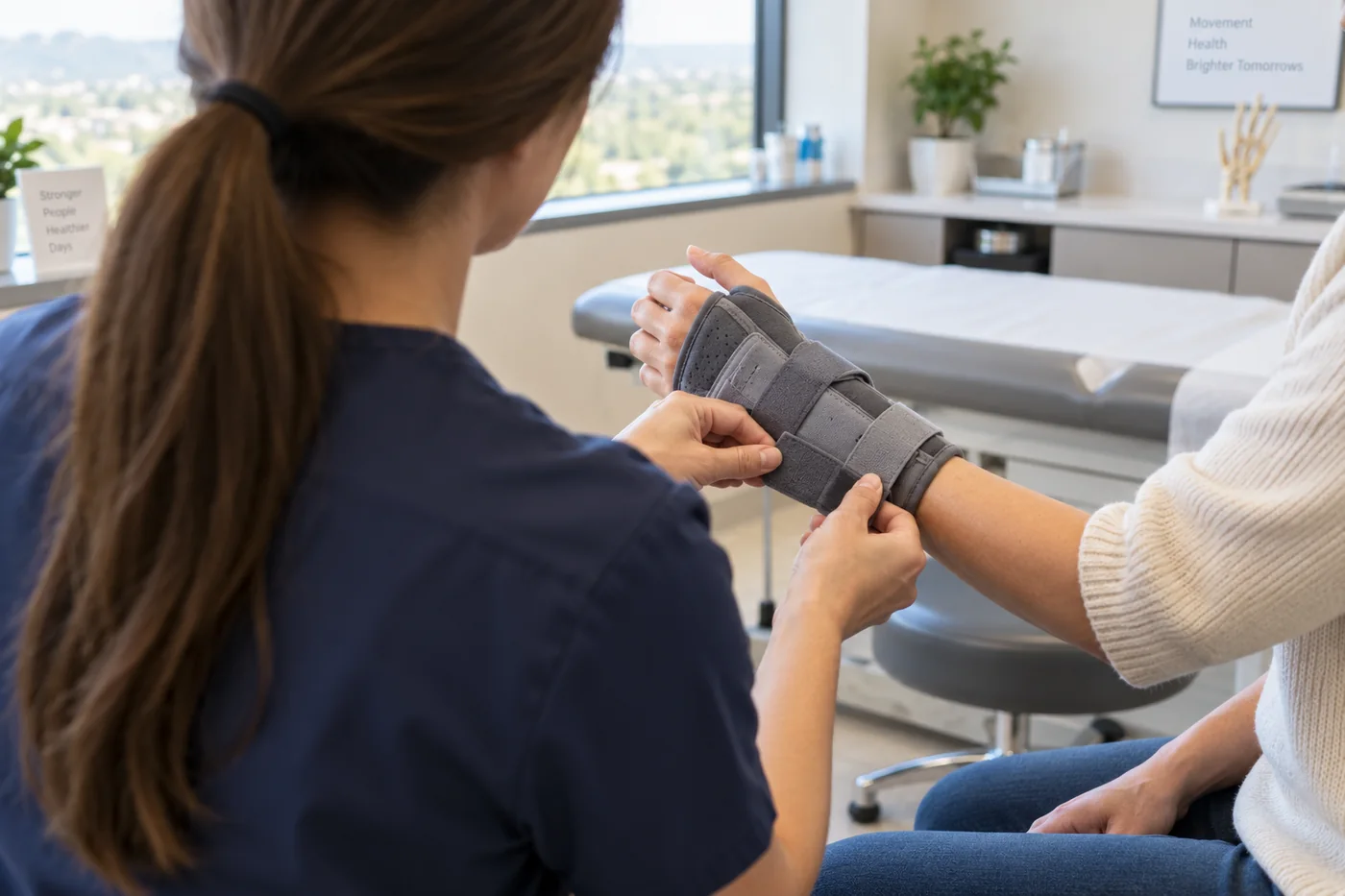
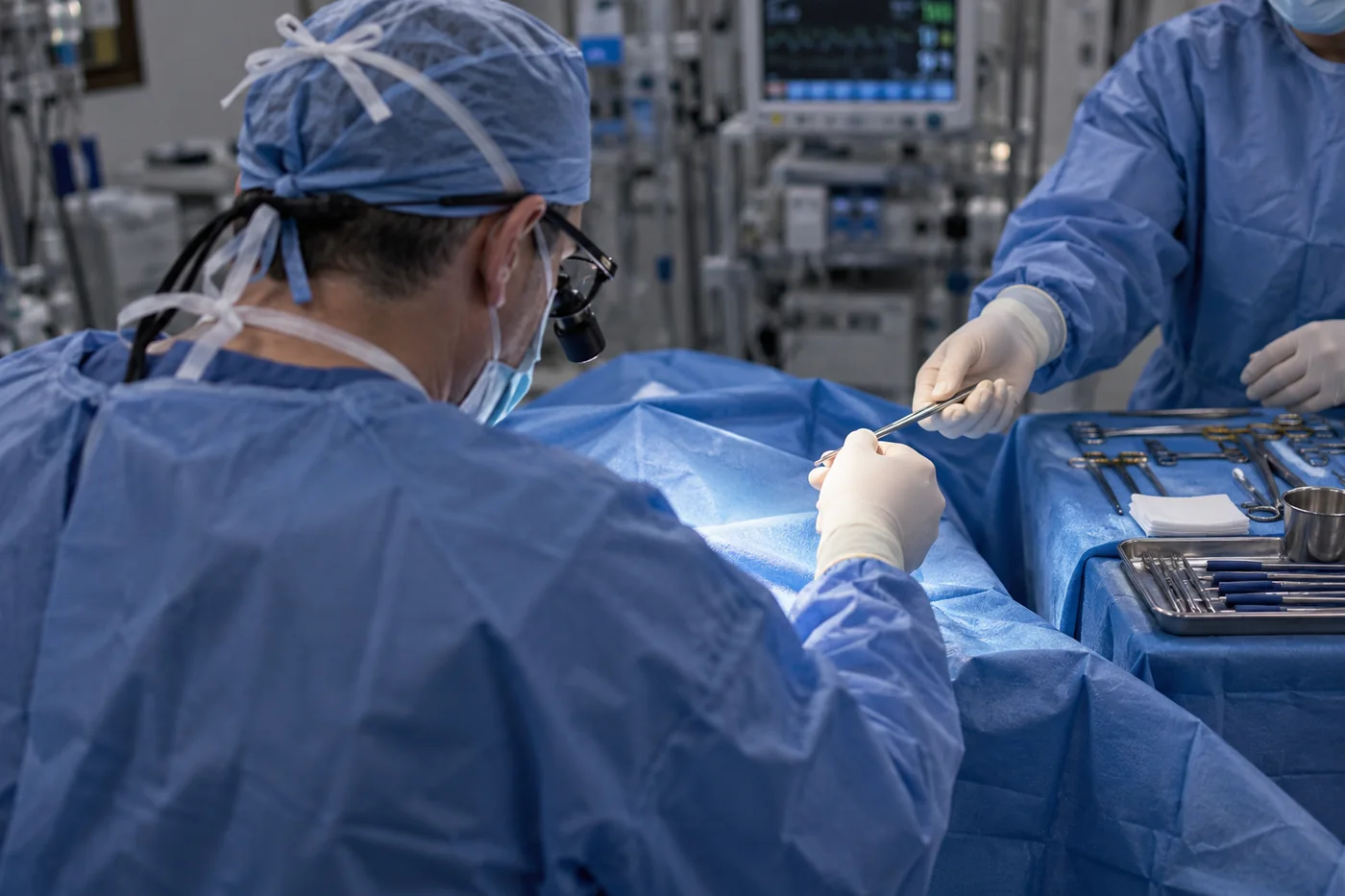
Surgery may be needed when a cyst or another structure is compressing the nerve, when weakness is progressing or when suitable non-surgical measures cannot remove the cause.
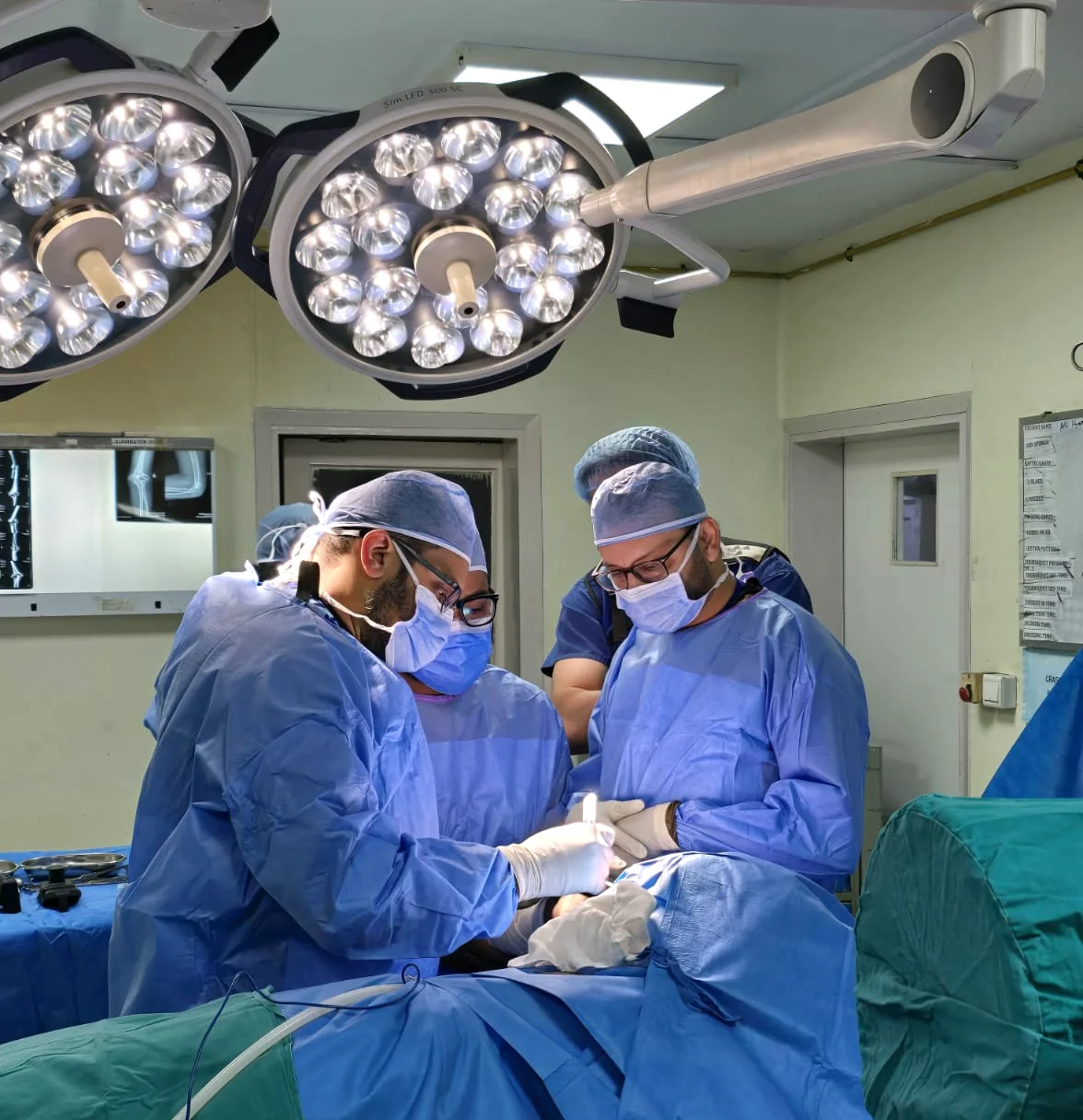
Timelines are guides only. The procedure, nerve severity, wound, job and associated injuries all influence recovery.
Wound care, elevation and gentle finger movement according to instructions.
Wound review and gradual return to light hand use.
Grip and pressure-bearing activities are progressed according to the procedure and symptoms.
Sensation and intrinsic muscle recovery may continue for months if the nerve was significantly compressed.

 4.96/555 verified reviews
Dr Shoaib Arshad is a fellowship-trained consultant orthopaedic hand and wrist surgeon with UK specialist training and more than 17 years in orthopaedic surgery.
General information only. Your diagnosis and treatment plan should be based on an individual medical assessment.
No. Both affect the ulnar nerve, but Guyon’s canal is at the wrist and cubital tunnel is at the elbow. Examination and tests help identify the level.
Yes. Repeated pressure through the little-finger side of the palm can irritate the ulnar nerve. Position changes, padding and bike fit may help.
Not always. Treatment depends on symptoms, examination and whether the cyst is clearly compressing the nerve or affecting function.
A hand and wrist examination is combined with nerve testing and imaging when needed to identify the site and cause of compression.
Specialist appointments are available in Manchester, UK and during Dr Arshad’s UK clinical availability.
Request a specialist consultation and bring any previous imaging, nerve tests, reports or treatment information.