Obvious deformity
The joint may look bent, shortened or out of place.
A dislocation means a joint has been forced out of position. Fingers are commonly affected, while wrist and carpometacarpal dislocations can be complex. The joint should be assessed promptly for associated fracture, ligament, tendon, nerve and circulation injury.

After reduction, the joint must be checked for fractures, ligament damage and residual instability. Too much immobilisation can cause stiffness, while too little protection can allow recurrent displacement.
Severity varies with displacement, joint involvement and soft-tissue injury. New numbness, circulation change or an open wound needs urgent assessment.
The joint may look bent, shortened or out of place.
Pain begins immediately and movement is limited.
The finger or wrist may be stuck in an abnormal position.
Nerve stretch or compression can alter sensation.
Circulation compromise requires emergency treatment.
The joint may feel loose or repeatedly give way after reduction.
The mechanism helps identify likely fracture, ligament, tendon and soft-tissue patterns, but examination and imaging determine the diagnosis.
A useful diagnosis combines the injury pattern, examination and imaging that will change treatment.
Assess sensation, blood flow, skin and tendon function.
Look for associated fracture and confirm joint position.
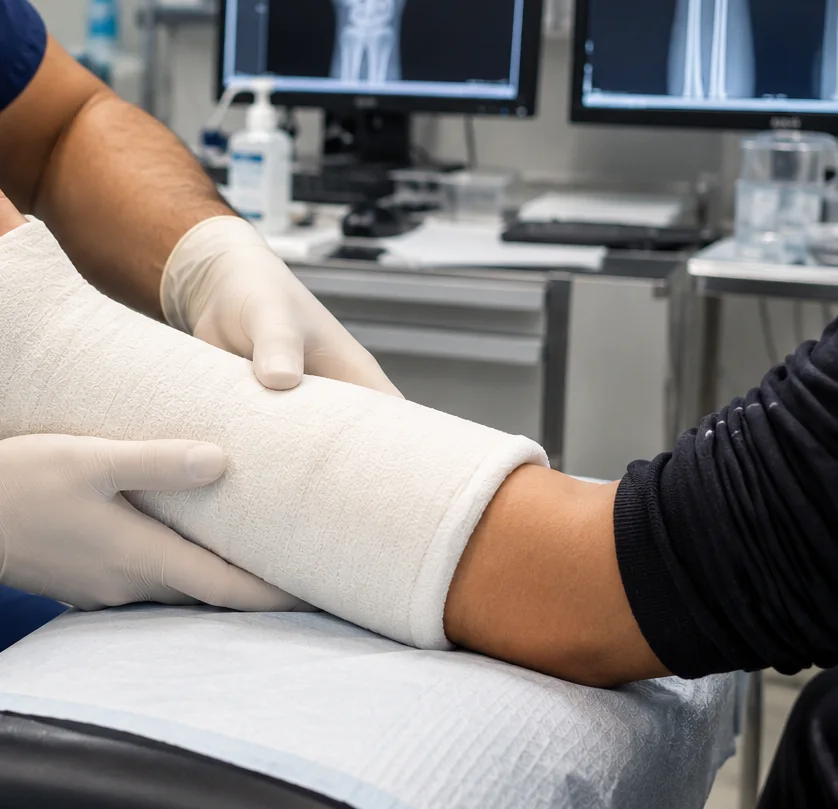
The joint is realigned with appropriate pain control or anaesthesia.
Repeat examination and X-ray determine splinting or surgery needs.
The right plan depends on the exact injury, alignment, stability, joint surface, skin and patient priorities.
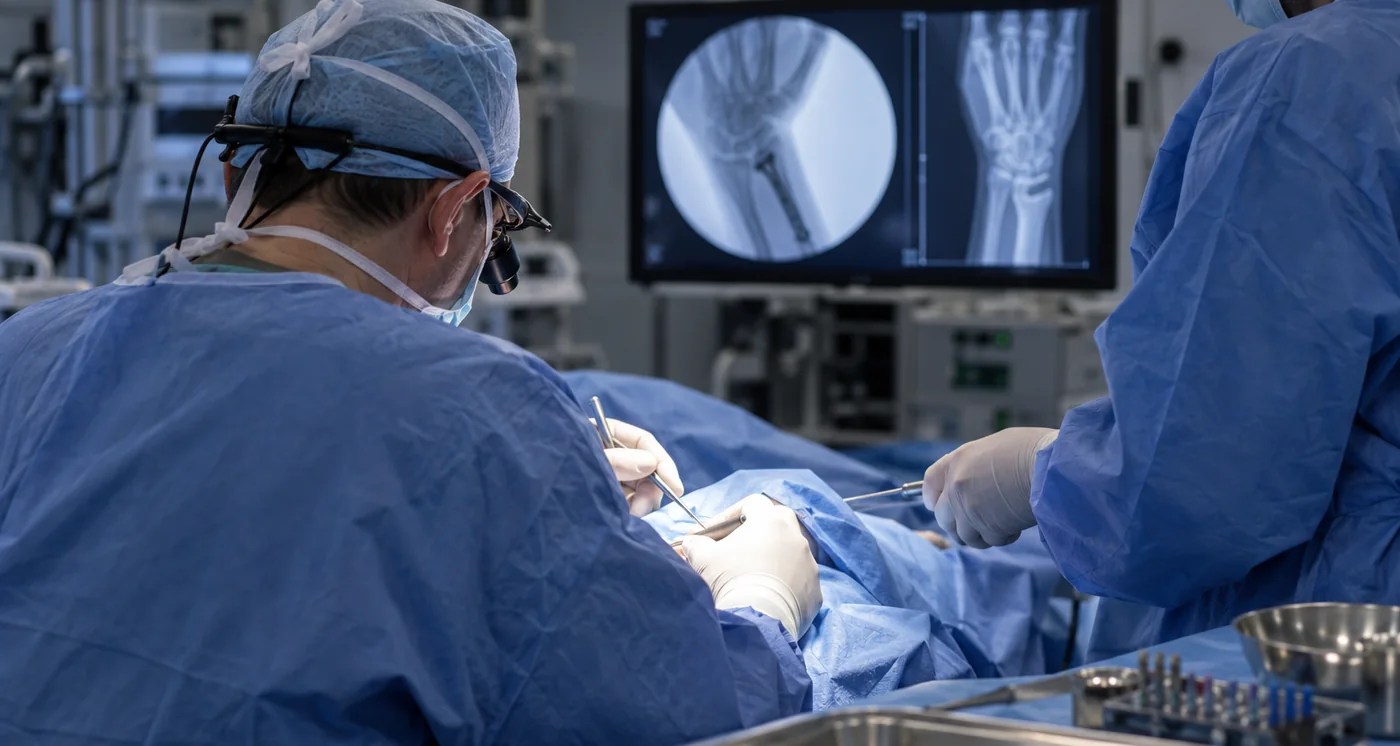
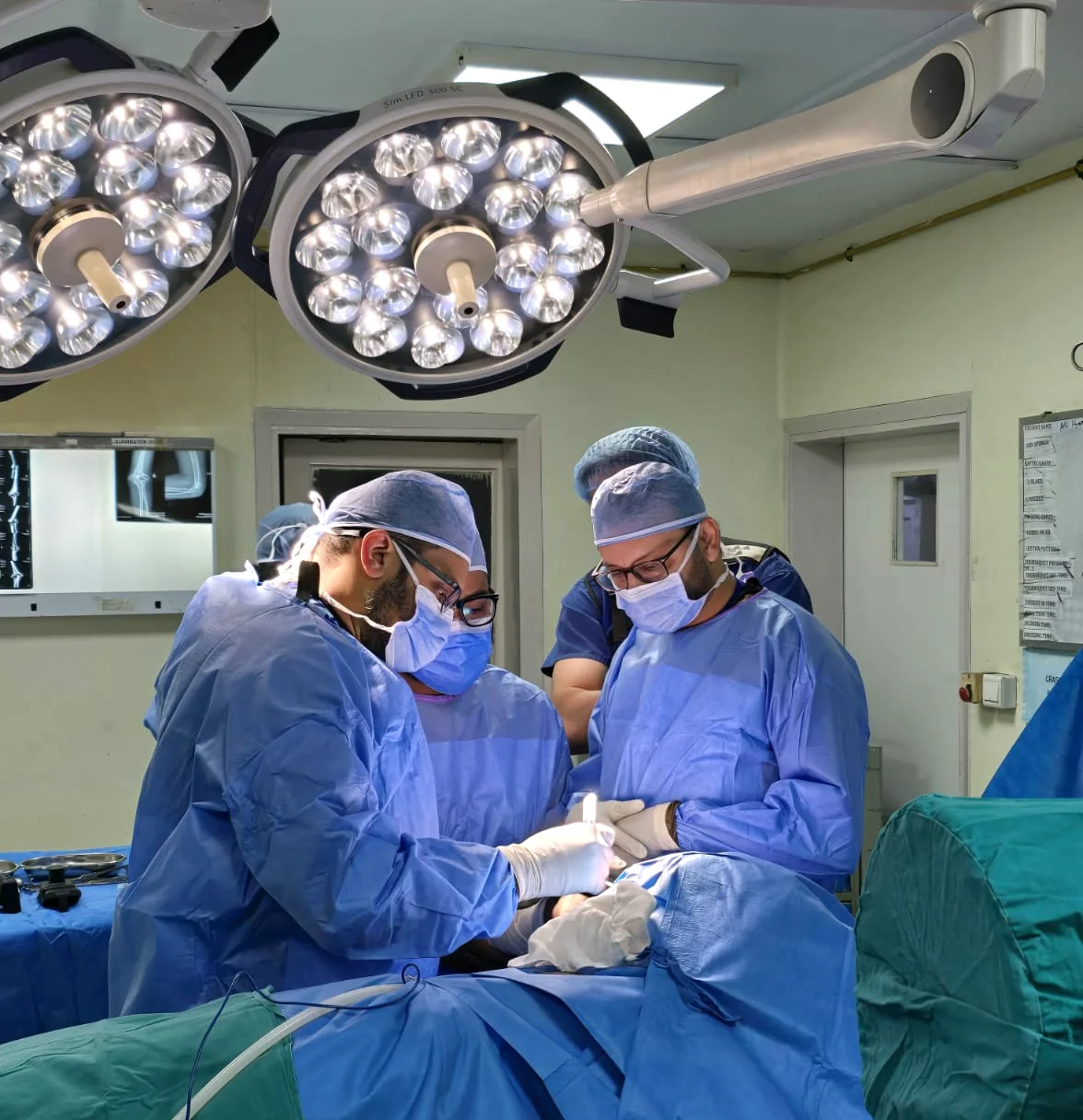
Surgery is considered for irreducible dislocations, unstable joints, displaced fracture-dislocations, open injuries, tendon entrapment or persistent instability.
These are broad guides only. Imaging, fracture stability, tissue repair and work or sport demands determine the individual timeline.
Reduction, X-ray and a stability plan.
Splint or buddy support with controlled movement when safe.
Motion, swelling and grip progress with therapy.
Some joints remain enlarged, stiff or sensitive; unstable injuries may take several months.

 4.96/555 verified reviews
Dr Shoaib Arshad is a fellowship-trained consultant orthopaedic hand and wrist surgeon with UK specialist training and more than 17 years in orthopaedic surgery.
General information only. Acute injuries and treatment decisions require individual medical assessment.
No. Associated fractures, tendon entrapment and circulation injury should be considered. Seek urgent assessment.
It confirms the joint is centred and helps identify fractures that were hidden by the original displacement.
No. Stable, reducible dislocations are often treated with splinting and early motion. Surgery is reserved for unstable, blocked, open or fracture-associated injuries.
Ligament and capsule injury can cause prolonged swelling even after the joint is aligned.
Dr Arshad sees private patients at The Highfield Hospital, Manchester Road, Rochdale OL11 4LZ — within easy reach of Manchester, Oldham, Bury, Bolton and the wider North West. You can book online through Circle Health Group, call +44 7443 213645, or send an enquiry and the team will help.
Request a specialist consultation and bring emergency records, X-rays, scans, reports and current splint or cast information.