Deep cut or open fracture
Bone or tendon may be exposed or the wound may communicate with a fracture.
Crush injuries, open fractures and deep cuts can damage bone, tendons, nerves, vessels, joints and skin at the same time. Early coordinated treatment aims to preserve viable tissue, restore stability and create the best pathway for function.
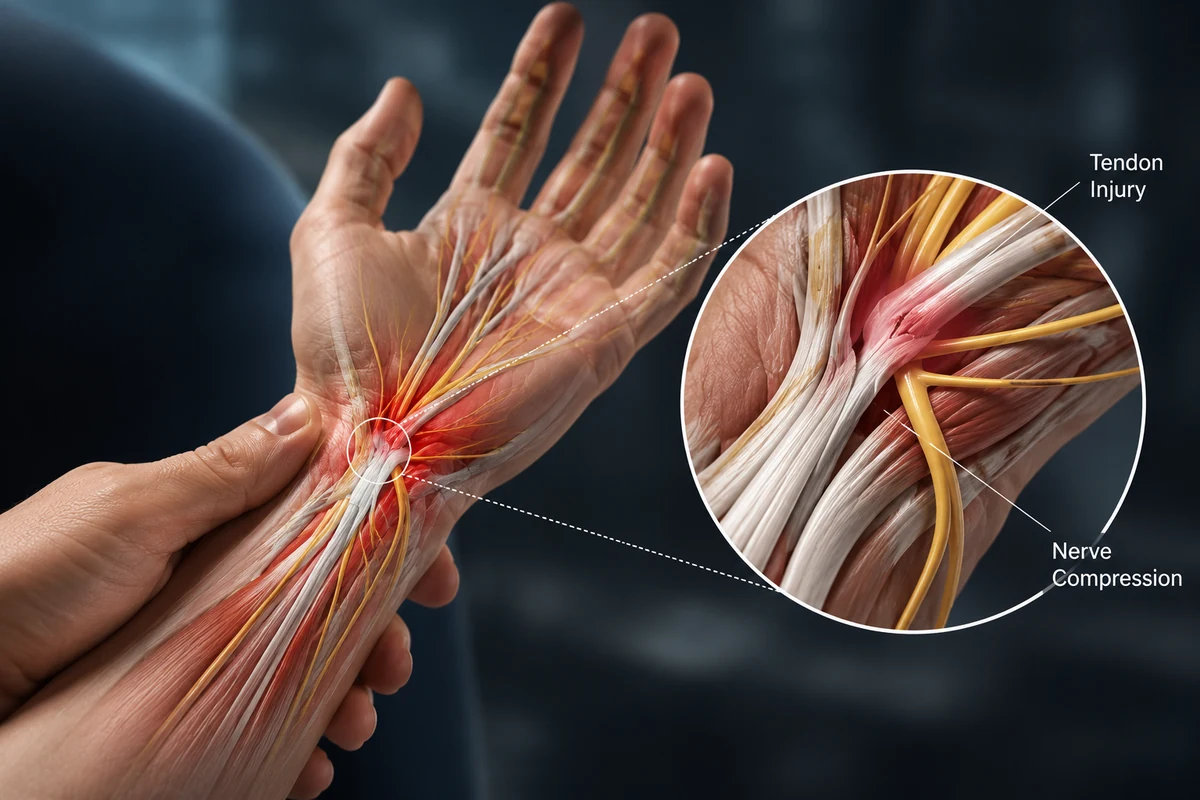
The priorities are circulation, bleeding control, contamination, soft-tissue viability and skeletal stability. Reconstruction may be completed in one operation or staged, depending on swelling, tissue damage and infection risk.
Severity varies with displacement, joint involvement and soft-tissue injury. New numbness, circulation change or an open wound needs urgent assessment.
Bone or tendon may be exposed or the wound may communicate with a fracture.
Swelling and tissue damage may evolve after the initial impact.
A tendon, nerve, joint or fracture injury may block function.
Nerve injury can affect a finger or larger region of the hand.
A pale, cold or poorly perfused finger is an emergency.
Dirty wounds, bites and machinery injuries have infection risk.
The mechanism helps identify likely fracture, ligament, tendon and soft-tissue patterns, but examination and imaging determine the diagnosis.
A useful diagnosis combines the injury pattern, examination and imaging that will change treatment.
Control bleeding and assess circulation, sensation, movement and skin viability.
Define fractures, foreign bodies, joints and deeper injury.
Directly assess tendons, nerves, vessels and contamination.
Coordinate fixation, repair, soft-tissue cover and rehabilitation.
The right plan depends on the exact injury, alignment, stability, joint surface, skin and patient priorities.
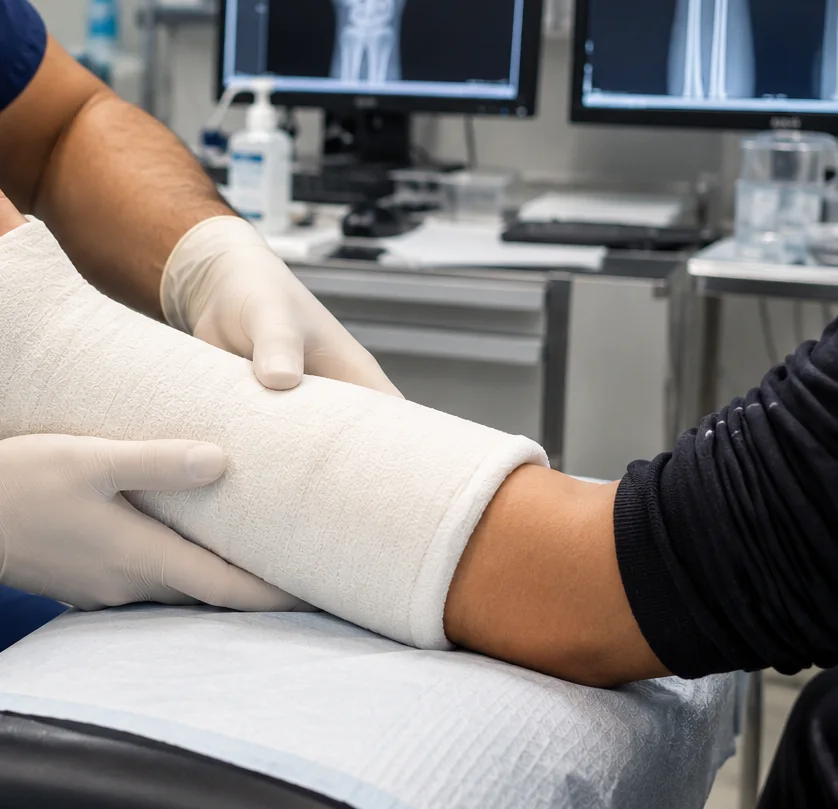
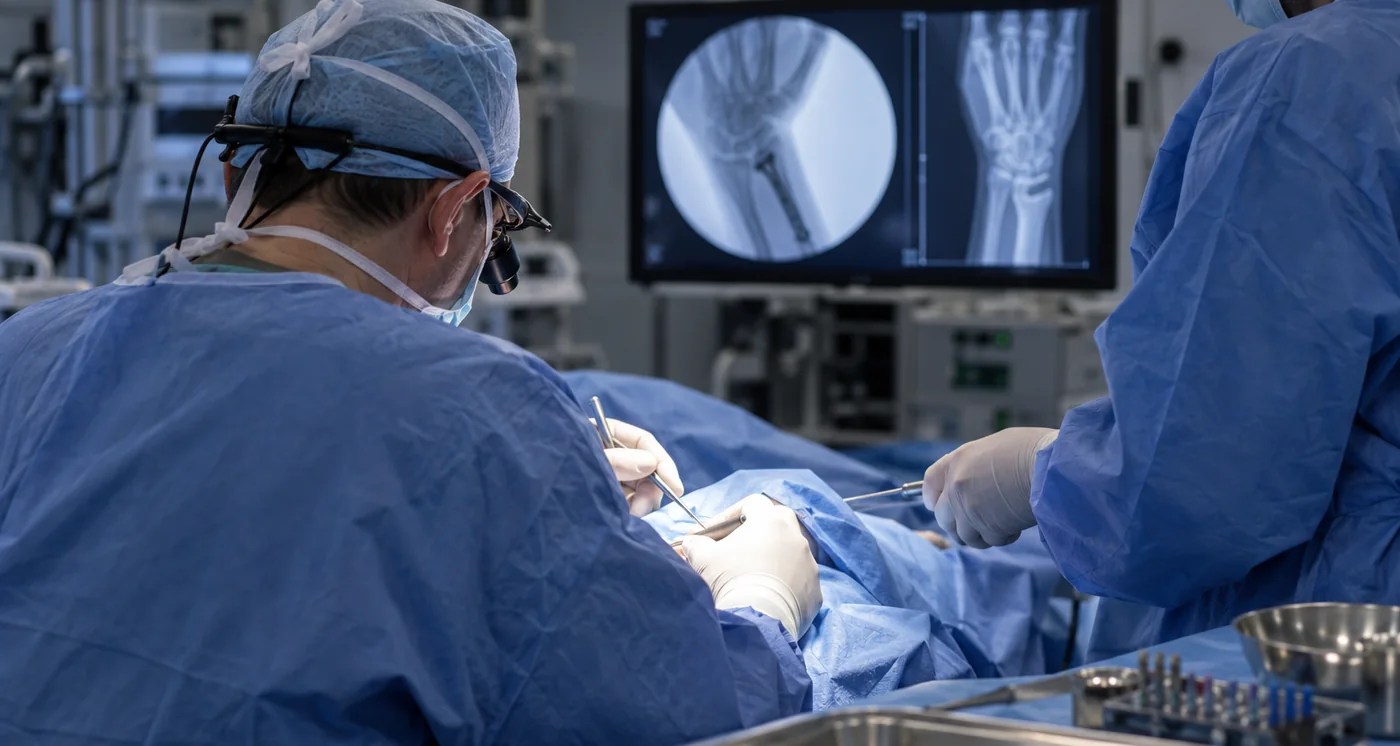
Complex trauma surgery is individualised. The first operation may focus on cleaning the wound, restoring blood flow and stabilising fractures; tendon, nerve or soft-tissue reconstruction may be performed immediately or in planned stages.
These are broad guides only. Imaging, fracture stability, tissue repair and work or sport demands determine the individual timeline.
Wound care, fixation and repair of critical structures.
Protect repairs while controlling swelling and maintaining safe movement.
Tendon glide, joint motion and light function progress according to healing.
Strength, sensation and dexterity can continue improving; staged surgery may be required.

 4.96/555 verified reviews
Dr Shoaib Arshad is a fellowship-trained consultant orthopaedic hand and wrist surgeon with UK specialist training and more than 17 years in orthopaedic surgery.
General information only. Acute injuries and treatment decisions require individual medical assessment.
Control bleeding with direct pressure, cover the wound, elevate the hand and seek emergency care. Do not probe the wound or delay care when movement, feeling or circulation is affected.
Often they can, but the sequence and timing depend on contamination, tissue damage, blood flow and soft-tissue coverage.
Nerve recovery is slow and depends on injury level, gap, age, timing and target distance. Recovery may be incomplete.
Therapy balances protection of repairs with prevention of stiffness and scar adhesion. The programme must match the exact structures repaired.
Dr Arshad sees private patients at The Highfield Hospital, Manchester Road, Rochdale OL11 4LZ — within easy reach of Manchester, Oldham, Bury, Bolton and the wider North West. You can book online through Circle Health Group, call +44 7443 213645, or send an enquiry and the team will help.
Request a specialist consultation and bring emergency records, X-rays, scans, reports and current splint or cast information.