
Morning stiffness and swelling
Several joints may feel warm, puffy and difficult to move.
Rheumatoid arthritis can affect several hand and wrist joints, tendons and ligaments at the same time. Medical control of inflammation is central; hand surgery is considered when pain, tendon rupture, instability or deformity remains functionally important.
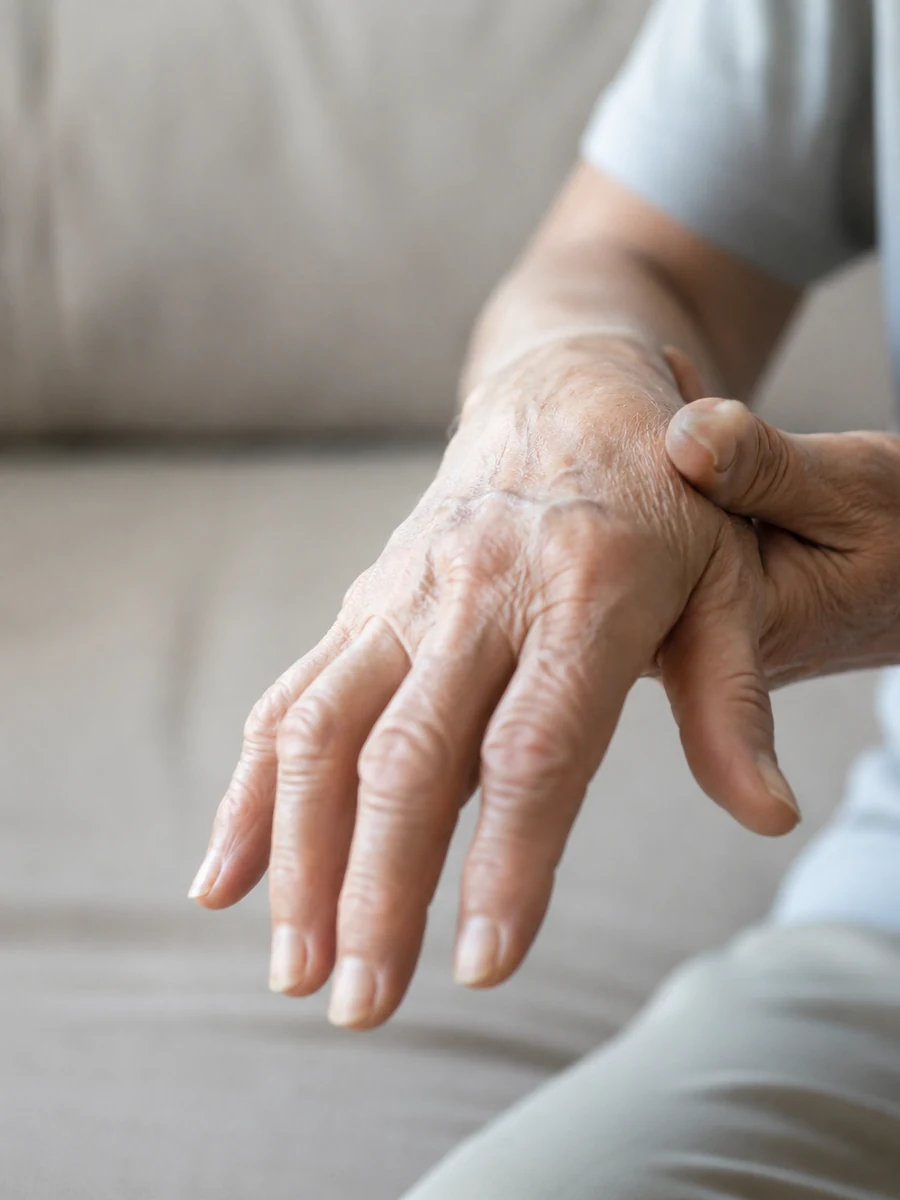
A rheumatologist usually manages the systemic disease and medication.
Persistent synovitis can damage joints, ligaments and tendons.
Medication optimisation, splints, therapy and joint-protection strategies.
For tendon rupture, severe pain, instability or deformity affecting function.
Rheumatoid arthritis is an autoimmune inflammatory disease. In the hand it can cause synovitis, cartilage loss, ligament stretching, joint drift, tendon irritation and tendon rupture.
Modern disease-modifying medication has reduced severe deformity, but hand and wrist problems still require coordinated care between rheumatology, hand therapy and surgery.
Symptoms vary with the condition, joint and duration. Persistent pain, stiffness, deformity, a growing lump or loss of function deserves specialist assessment.
Several joints may feel warm, puffy and difficult to move.
Inflammation and cartilage damage reduce function.
Ligament imbalance can alter alignment.
A finger that suddenly cannot straighten may indicate rupture.
Pain, tendon disease and joint instability reduce strength.
Lumps may develop around pressure points or tendon sheaths.
A useful consultation connects the symptom pattern to the joint or tissue involved and the underlying cause—not just the label.
Inflammation damages cartilage and stretches supporting tissues.
Inflamed tendons can weaken against rough bone or unstable joints.
Ligaments and capsules may no longer hold the fingers in alignment.
Poorly controlled rheumatoid arthritis increases structural damage risk.
Assessment combines disease control, joint and tendon function, X-rays and discussion with rheumatology. The goal is to identify what is reversible and what needs protection or reconstruction.
Current rheumatology treatment and flare pattern are reviewed.
Synovitis, alignment, motion, stability and tendon integrity are assessed.
Joint damage, tendon disease and active inflammation may be documented.
Rheumatology and hand therapy input help time any operation safely.
Surgery is not automatic. Treatment is matched to pain, joint or tissue damage, function, medical health and the patient’s goals.

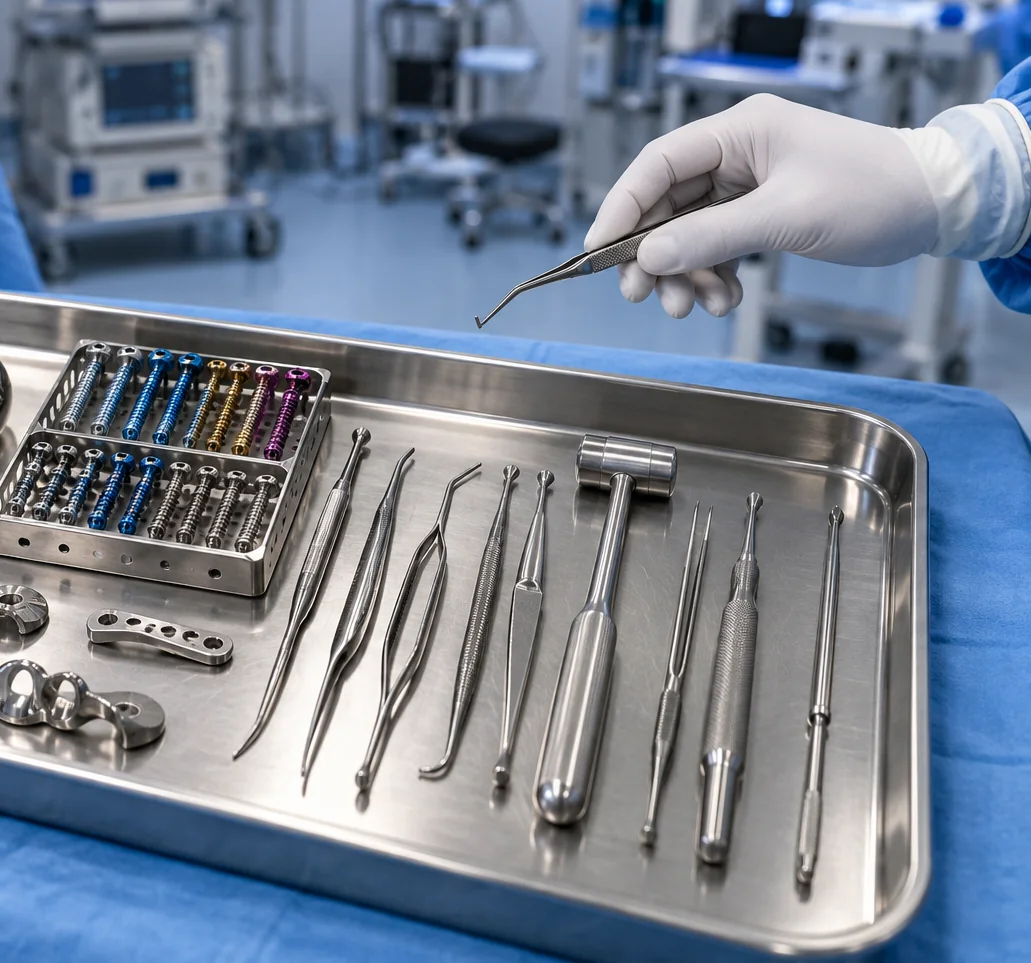
Surgery is not a substitute for medical control of rheumatoid arthritis. It may improve pain or function when structural damage, tendon rupture or deformity remains significant.
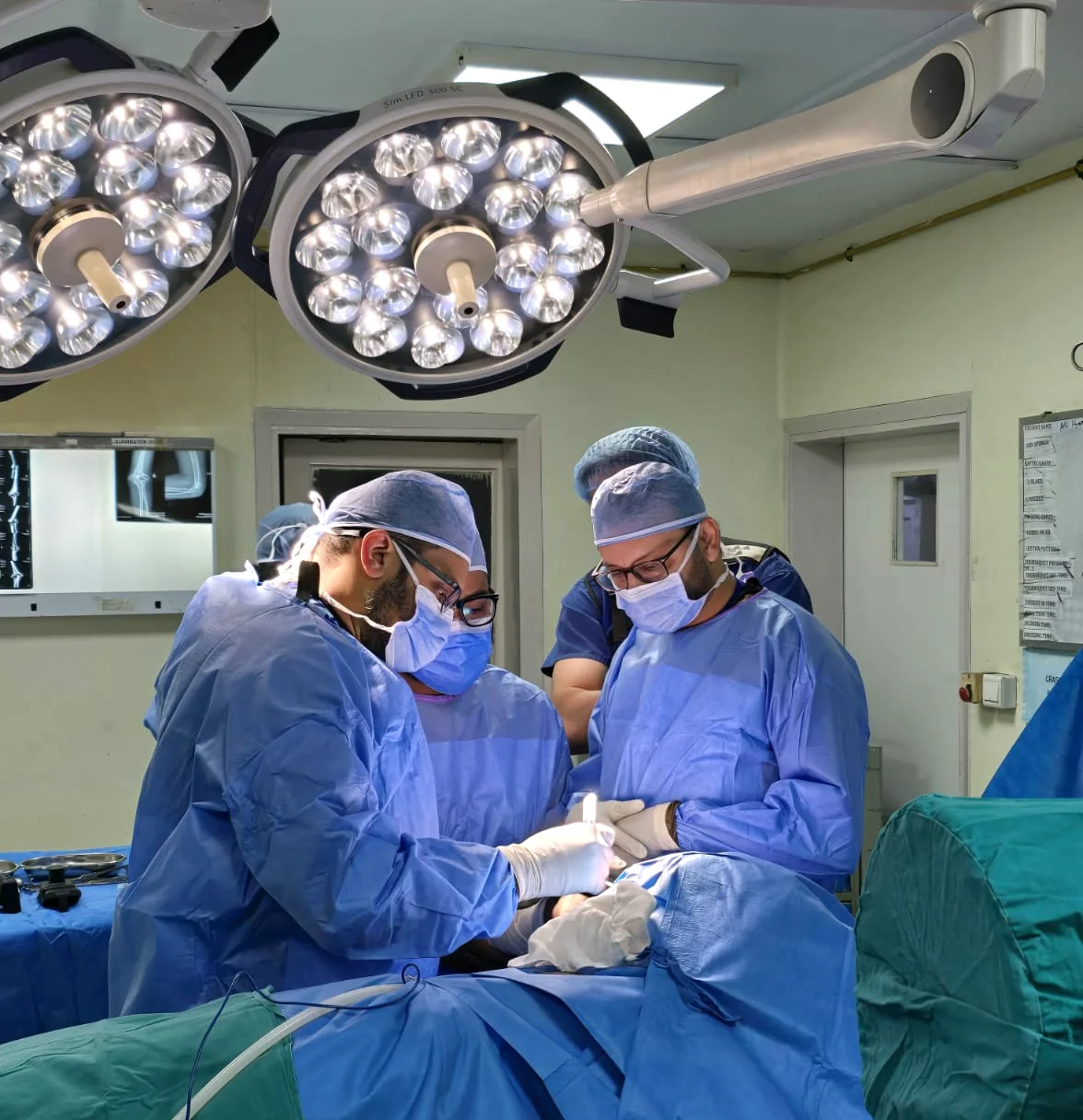
Timelines are guides only. The diagnosis, procedure, joint or tissue condition, job and medical health all influence recovery.
Rheumatology medication and infection risk are reviewed.
Wound care, splinting and protected movement depend on the procedure.
Therapy progresses motion, alignment and functional use.
Ongoing rheumatoid control protects the reconstruction and remaining joints.

 4.96/555 verified reviews
Dr Shoaib Arshad is a fellowship-trained consultant orthopaedic hand and wrist surgeon with UK specialist training and more than 17 years in orthopaedic surgery.
General information only. Your diagnosis and treatment plan should be based on an individual medical assessment.
No. Surgery treats structural damage or tendon problems; systemic disease still needs rheumatology treatment.
Inflamed or weakened tendons can rupture, sometimes against damaged wrist bones.
This must be decided individually with the rheumatology and surgical teams.
Correction depends on whether joints are flexible, tendon quality and the extent of damage.
Dr Arshad sees private patients at The Highfield Hospital, Manchester Road, Rochdale OL11 4LZ — within easy reach of Manchester, Oldham, Bury, Bolton and the wider North West. You can book online through Circle Health Group, call +44 7443 213645, or send an enquiry and the team will help.
Request a specialist consultation and bring any previous X-rays, scans, reports or treatment information.