
Joint pain
Aching or sharp pain increases with gripping or repetitive use.
Painful, enlarged or stiff finger joints can reduce grip, dexterity and confidence with daily tasks. The treatment plan depends on which joint is affected, the type of arthritis, remaining motion and how much the problem limits function.
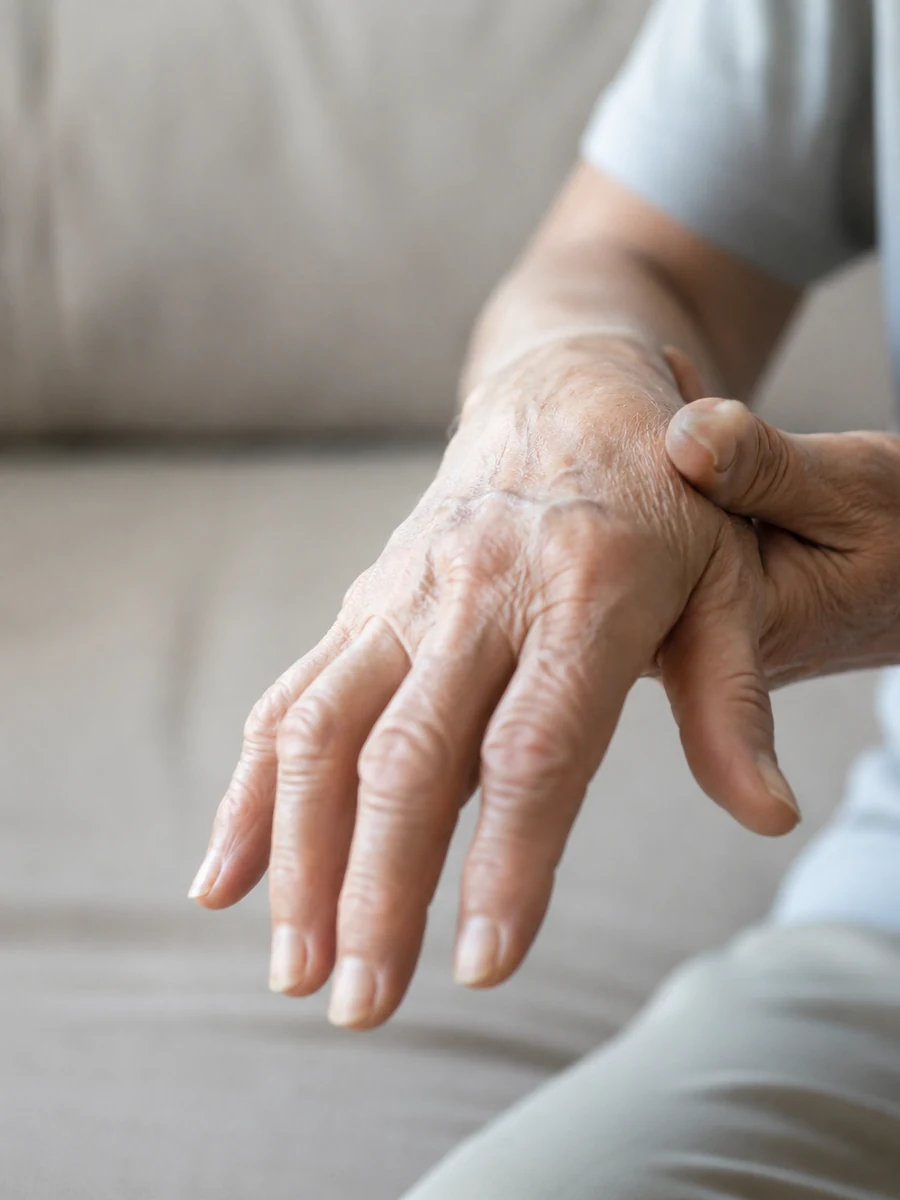
The fingertip DIP, middle PIP and knuckle MCP joints can be affected differently.
Osteoarthritis, previous injury and inflammatory arthritis require different pathways.
Pacing, splints, hand therapy, medication and selected injection.
Fusion or joint replacement may be considered for selected painful joints.
Arthritis damages the cartilage and supporting structures of a finger joint. Osteoarthritis commonly affects the fingertip and middle joints, while rheumatoid arthritis often involves the knuckles and wrist in both hands.
A useful plan balances pain relief with motion, stability and the demands placed on each finger. The best procedure for one joint may be unsuitable for another.
Symptoms vary with the condition, joint and duration. Persistent pain, stiffness, deformity, a growing lump or loss of function deserves specialist assessment.
Aching or sharp pain increases with gripping or repetitive use.
Joints may take time to loosen after rest.
Inflammation and bone changes can make a joint look larger.
Difficulty making a fist or fully straightening a finger.
The joint may creak, drift or feel unreliable.
Buttons, writing, cooking and tool use become harder.
A useful consultation connects the symptom pattern to the joint or tissue involved and the underlying cause—not just the label.
Cartilage wears gradually, commonly at the DIP and PIP joints.
Fractures, dislocations or ligament injuries can cause post-traumatic arthritis.
Autoimmune inflammation can damage several joints and tendons.
Psoriatic arthritis, gout and other conditions can affect the hand.
Diagnosis identifies the arthritis type, the exact joints involved and whether pain comes from cartilage loss, inflammation, instability or tendon imbalance.
The number of joints, symmetry, stiffness and systemic symptoms are reviewed.
Motion, alignment, tenderness, tendon balance and grip are assessed.
Cartilage loss, erosions, spurs, deformity and previous injury are evaluated.
These may be needed when inflammatory arthritis is suspected.
Surgery is not automatic. Treatment is matched to pain, joint or tissue damage, function, medical health and the patient’s goals.
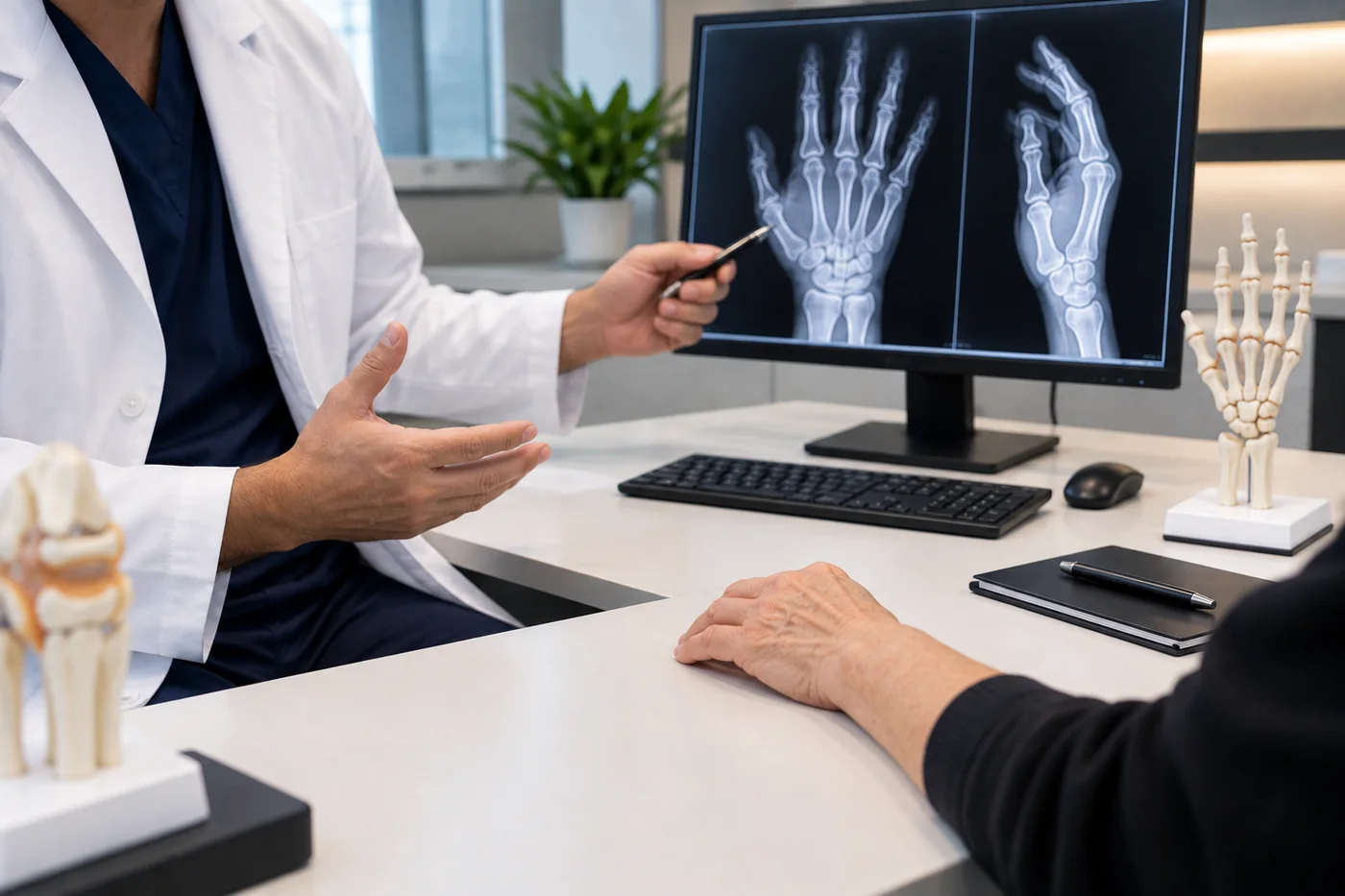
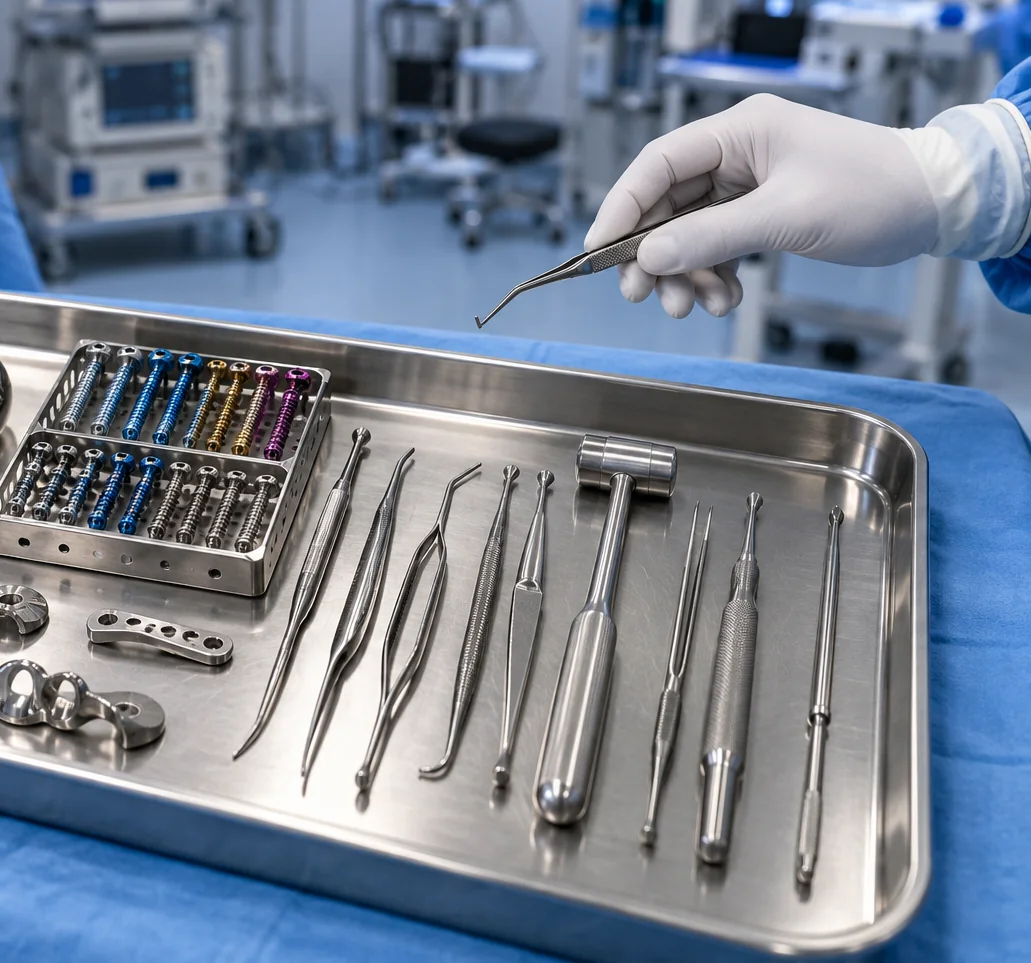
Surgery may help when pain, instability or deformity remains unacceptable despite appropriate nonsurgical care. The choice between fusion, replacement and soft-tissue procedures depends on the joint and patient priorities.
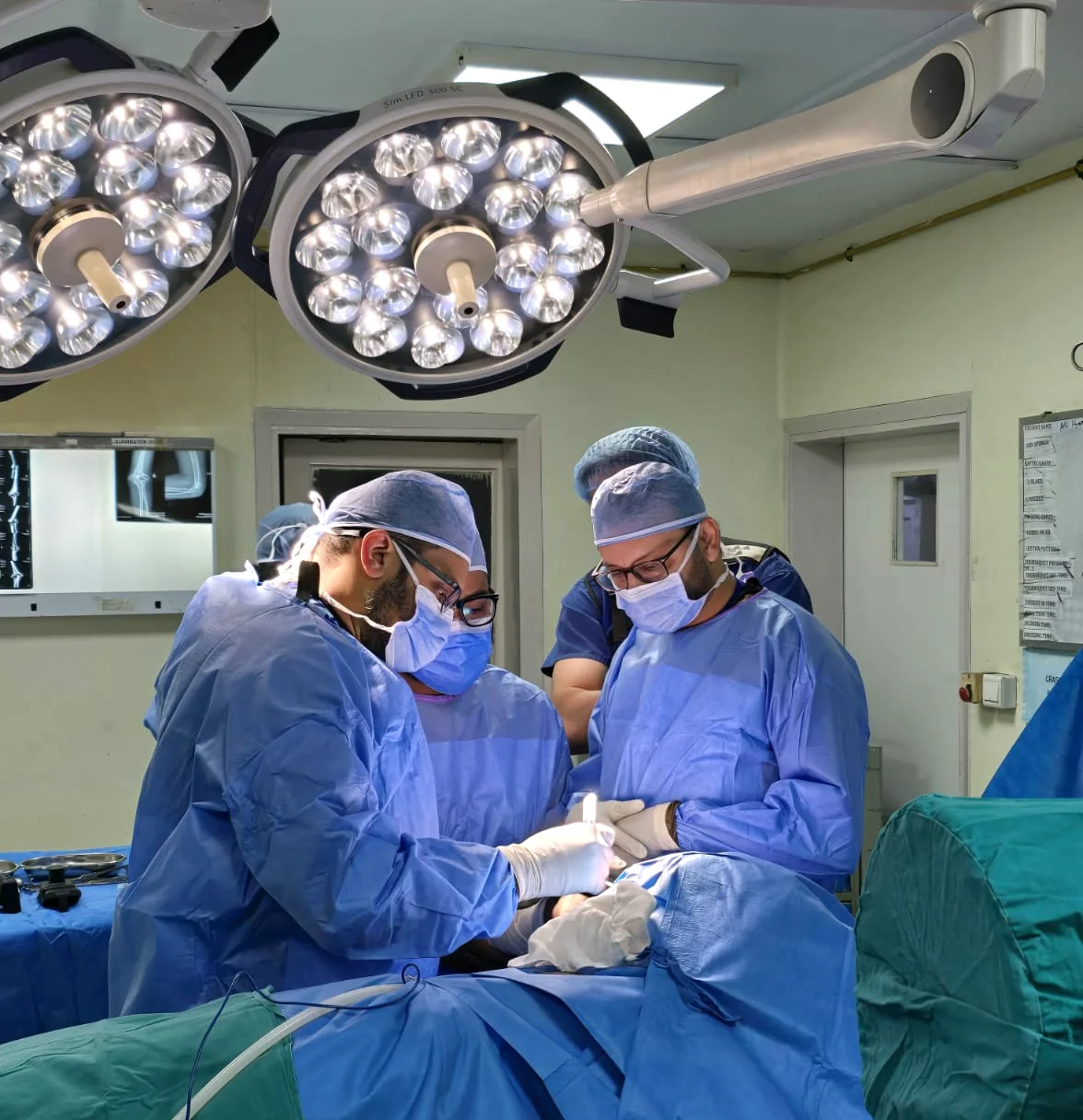
Timelines are guides only. The diagnosis, procedure, joint or tissue condition, job and medical health all influence recovery.
Swelling control, wound care and protection in a splint.
Movement or immobilisation depends on whether the joint was replaced or fused.
Function and strength progress under hand-therapy guidance.
Final motion, comfort and grip continue to settle.

 4.96/555 verified reviews
Dr Shoaib Arshad is a fellowship-trained consultant orthopaedic hand and wrist surgeon with UK specialist training and more than 17 years in orthopaedic surgery.
General information only. Your diagnosis and treatment plan should be based on an individual medical assessment.
Worn cartilage cannot be restored to normal, but treatment can reduce pain and improve function.
No. Fusion can be reliable for painful joints where stability matters more than movement; replacement suits selected joints and patients.
Multiple joints can be affected by osteoarthritis or inflammatory disease. The pattern helps guide investigation.
Injections have benefits and risks and should be used selectively rather than repeatedly without review.
Dr Arshad sees private patients at The Highfield Hospital, Manchester Road, Rochdale OL11 4LZ — within easy reach of Manchester, Oldham, Bury, Bolton and the wider North West. You can book online through Circle Health Group, call +44 7443 213645, or send an enquiry and the team will help.
Request a specialist consultation and bring any previous X-rays, scans, reports or treatment information.