
Pain at the thumb base
Aching or sharp pain near the wrist crease during pinch and grip.
Pain at the base of the thumb can make opening jars, turning keys, gripping a phone and pinching difficult. A focused hand assessment can confirm whether the carpometacarpal joint is the source and build a plan around pain relief, strength and daily function.
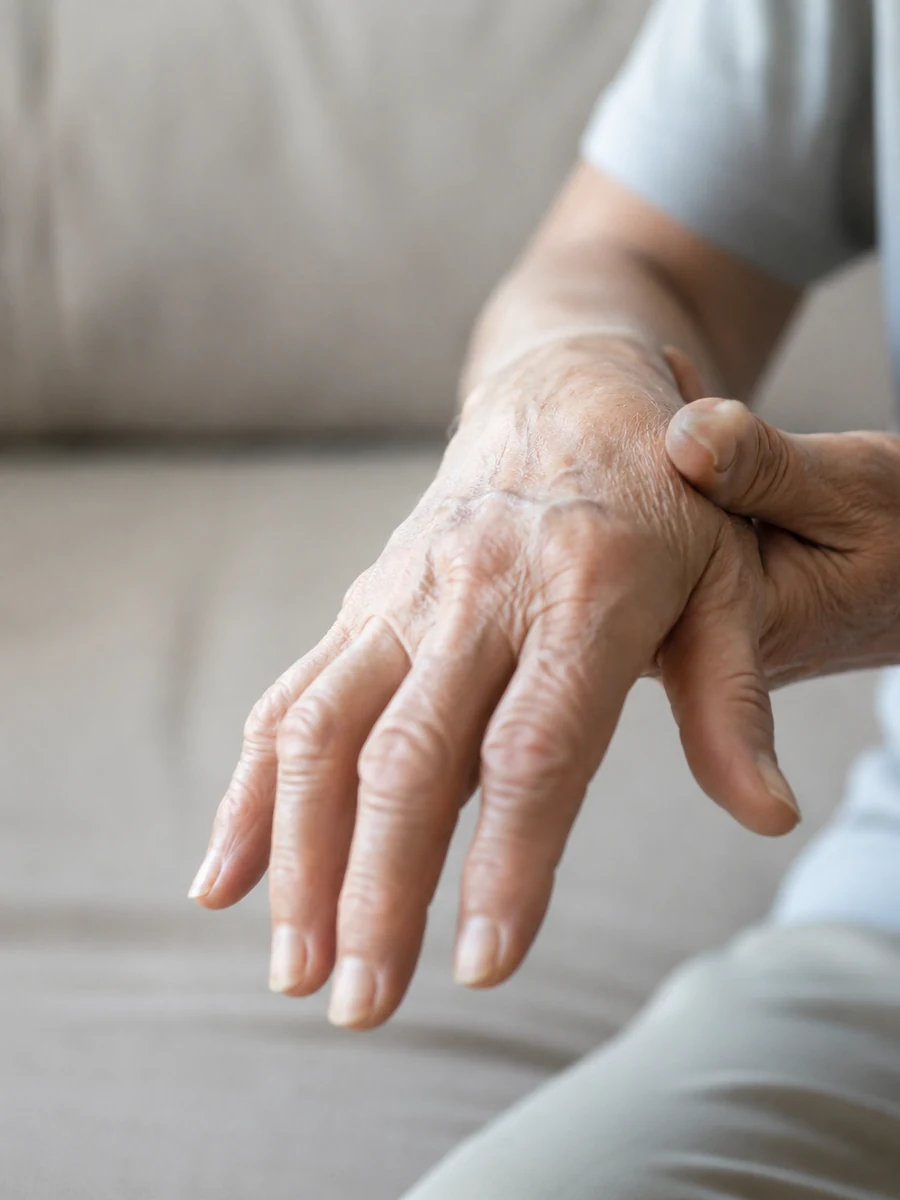
The carpometacarpal joint where the thumb metacarpal meets the trapezium.
Pain with pinching, twisting a key, opening a lid or prolonged thumb use.
Activity changes, hand therapy, a supportive splint, pain relief and selected injection.
When pain and loss of function remain significant despite suitable nonsurgical care.
Thumb base arthritis is wear of the cartilage in the thumb carpometacarpal joint. This joint allows the thumb to swivel, oppose and generate pinch, so even modest arthritis can affect everyday tasks.
Symptoms and X-ray changes do not always match perfectly. Treatment should be guided by pain, strength, stability and the activities the patient needs to perform.
Symptoms vary with the condition, joint and duration. Persistent pain, stiffness, deformity, a growing lump or loss of function deserves specialist assessment.
Aching or sharp pain near the wrist crease during pinch and grip.
Twisting and forceful pinch often reproduce symptoms.
Keys, buttons, clips and containers become harder to manage.
The joint may feel tender, enlarged or unstable.
Movement can cause crepitus or a gritty feeling.
Symptoms may continue after prolonged use or wake some patients.
A useful consultation connects the symptom pattern to the joint or tissue involved and the underlying cause—not just the label.
The smooth joint surface gradually thins and becomes irregular.
A naturally loose or unstable joint may experience higher stresses.
Fracture or ligament injury can accelerate joint wear.
Risk rises with age and repeated high-force pinch or grip.
Assessment checks whether pain truly comes from the CMC joint or from nearby tendons, the wrist, carpal tunnel or another thumb joint.
Tasks that reproduce pain and the impact on work or daily life are documented.
Tenderness, motion, stability, pinch and grind are assessed.
Joint-space narrowing, bone spurs, alignment and nearby arthritis are reviewed.
In some cases an injection can provide treatment and help confirm the pain source.
Surgery is not automatic. Treatment is matched to pain, joint or tissue damage, function, medical health and the patient’s goals.
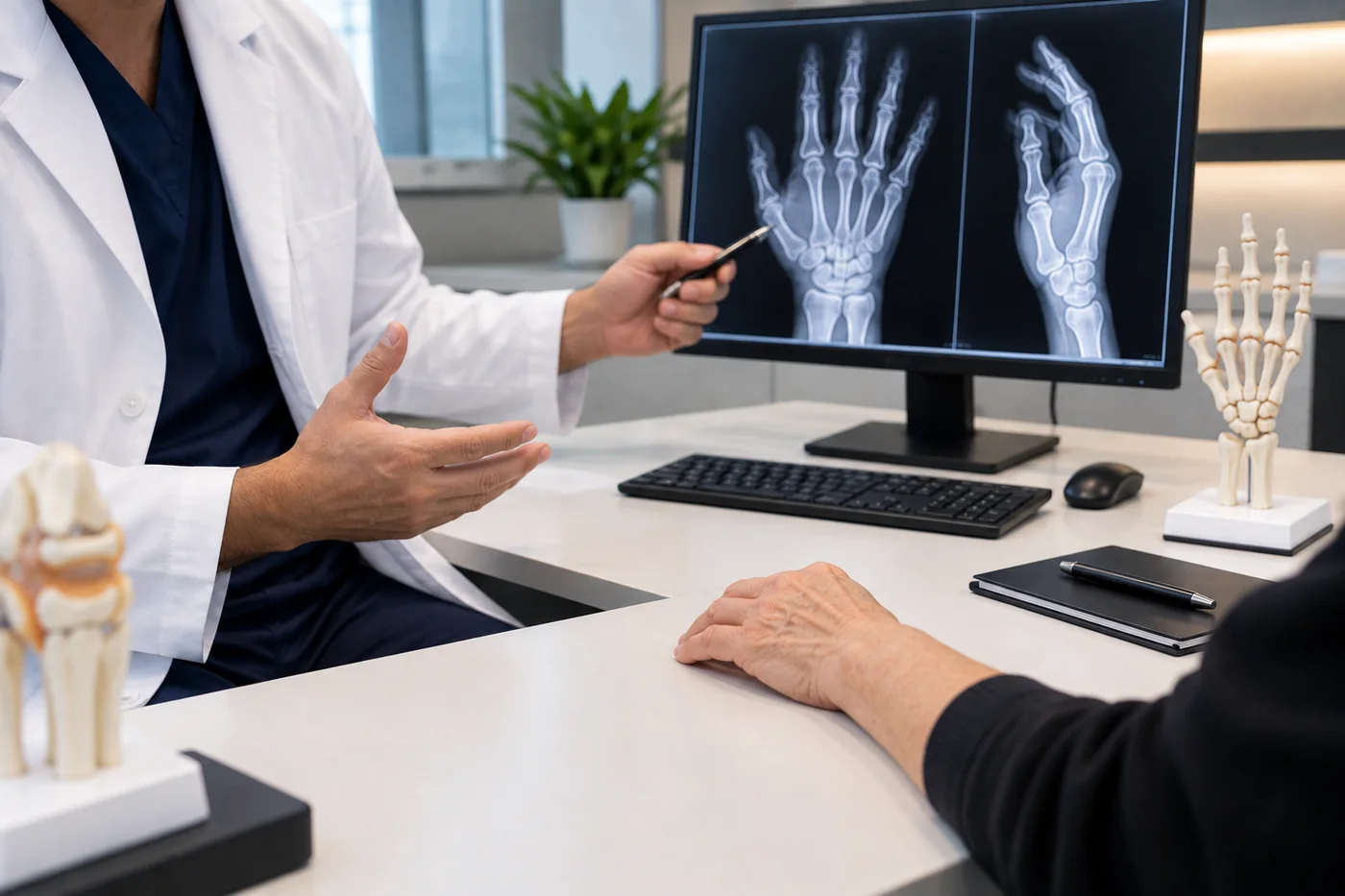
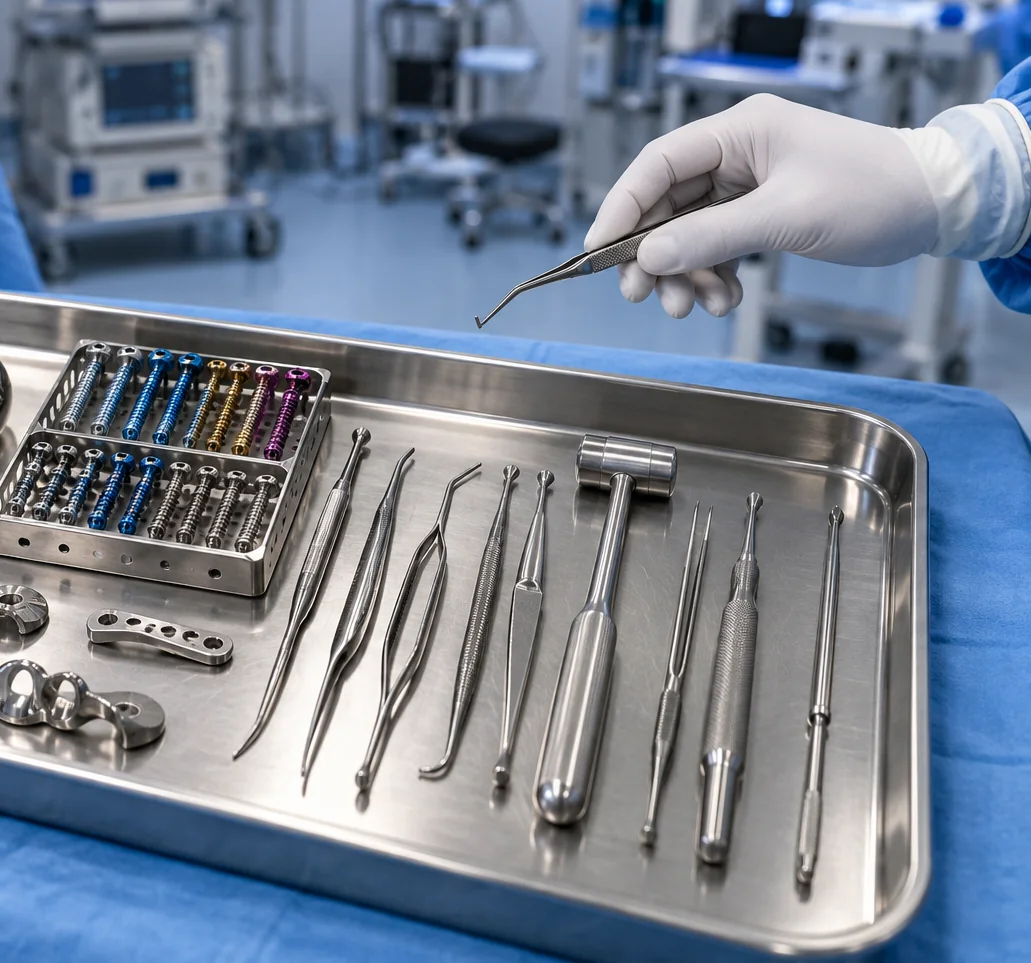
Surgery is considered when pain and disability remain limiting after a suitable trial of nonsurgical care. The exact technique depends on joint stage, neighbouring joints, work demands and surgeon preference.
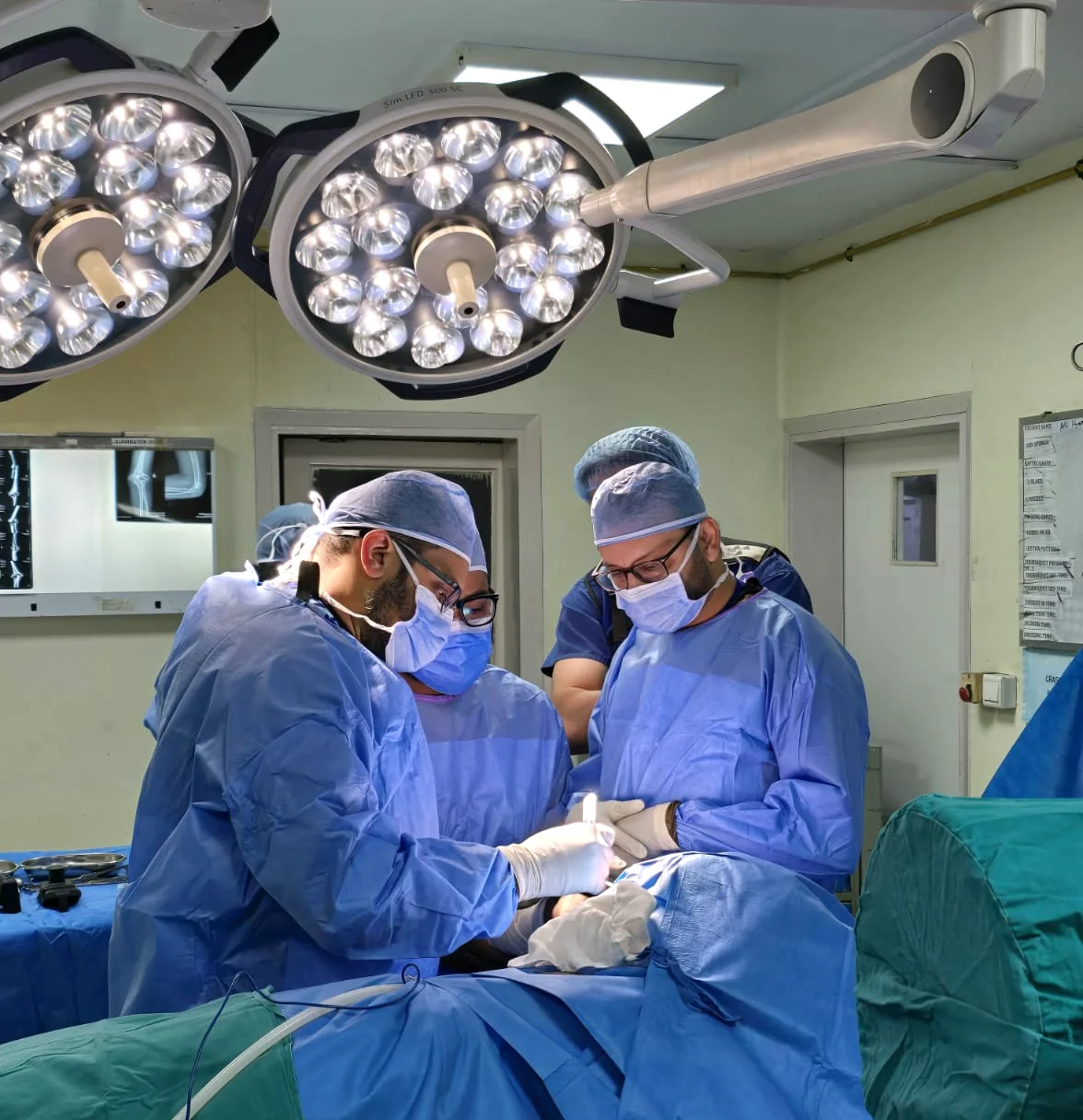
Timelines are guides only. The diagnosis, procedure, joint or tissue condition, job and medical health all influence recovery.
Elevation, wound care and finger movement while the thumb is protected.
A cast or splint is used according to the procedure.
Thumb motion and light function progress with hand therapy.
Pinch strength and heavier use return gradually; improvement may continue longer.

 4.96/555 verified reviews
Dr Shoaib Arshad is a fellowship-trained consultant orthopaedic hand and wrist surgeon with UK specialist training and more than 17 years in orthopaedic surgery.
General information only. Your diagnosis and treatment plan should be based on an individual medical assessment.
No. Thumb CMC arthritis affects a joint at the base of the thumb; De Quervain’s affects tendons on the thumb side of the wrist.
Not by itself. Symptoms, function and response to nonsurgical care are more important than the X-ray alone.
A well-fitted thumb support can reduce painful motion and make tasks easier, although it does not restore worn cartilage.
Light activities may return in weeks, but strength and comfort commonly improve over several months depending on the procedure.
Dr Arshad sees private patients at The Highfield Hospital, Manchester Road, Rochdale OL11 4LZ — within easy reach of Manchester, Oldham, Bury, Bolton and the wider North West. You can book online through Circle Health Group, call +44 7443 213645, or send an enquiry and the team will help.
Request a specialist consultation and bring any previous X-rays, scans, reports or treatment information.