
Central or dorsal wrist pain
Pain is often felt near the back-centre of the wrist.
Persistent pain in the centre or back of the wrist after a fall can reflect injury to the ligament joining the scaphoid and lunate. Early assessment matters because an unstable tear can alter carpal alignment and may lead to progressive arthritis.
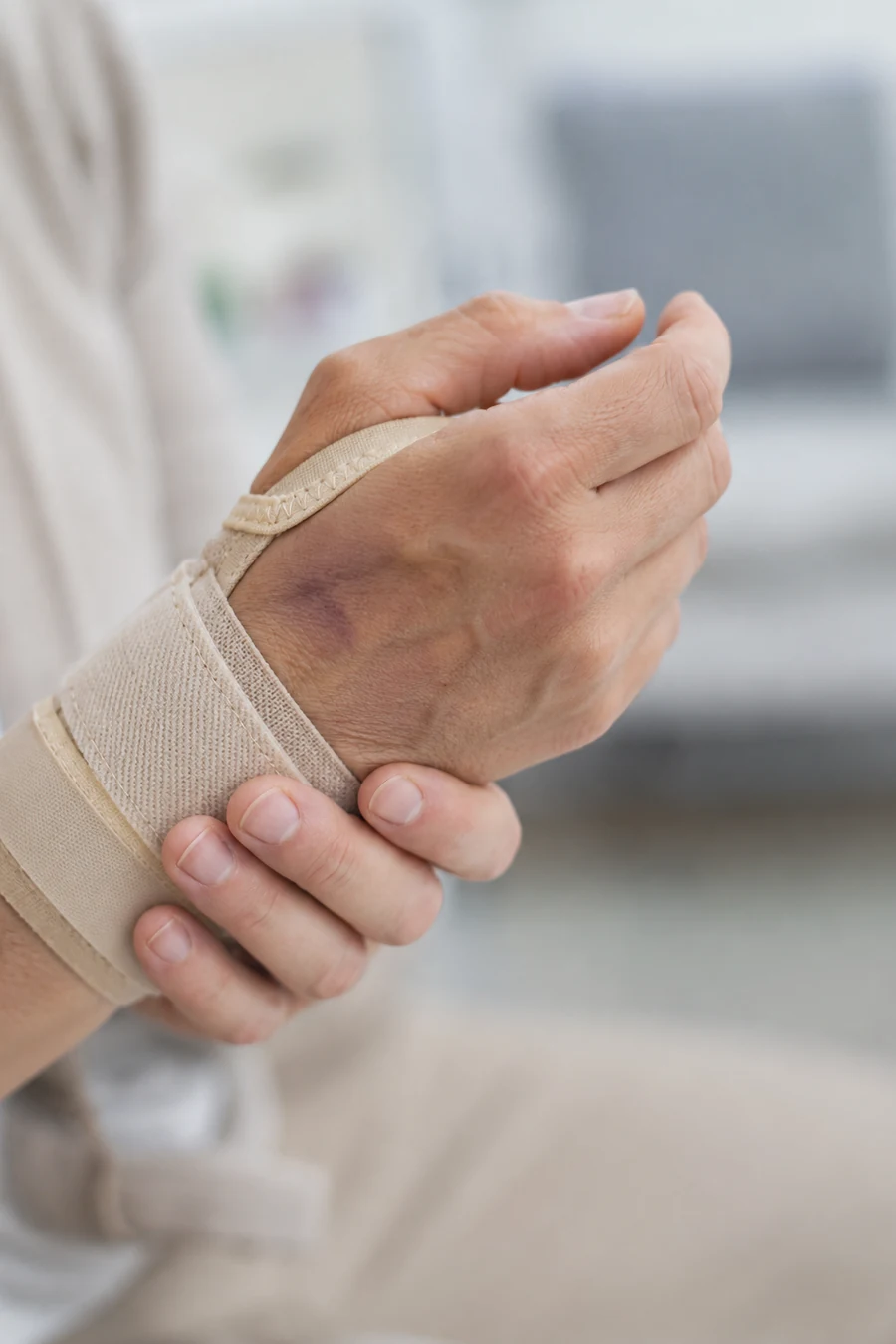
The ligament connecting the scaphoid and lunate bones in the centre of the wrist.
Pain or clicking after a fall, especially with pushing, gripping or wrist extension.
Examination plus carefully positioned X-rays, with MRI or arthroscopy when useful.
Acute repair is usually more straightforward than reconstruction of a chronic unstable wrist.
The scapholunate ligament is a key stabiliser between two bones in the proximal carpal row. A complete tear can allow the scaphoid and lunate to move abnormally apart.
Injuries range from a mild sprain to a complete unstable rupture. Symptoms and standard X-rays may initially look modest, so persistent pain after a fall deserves review.
Symptoms vary with the injured wrist structure and how long function has been affected. Persistent pain, clicking, stiffness, weakness or instability deserves specialist assessment.
Pain is often felt near the back-centre of the wrist.
Chair push-ups, press-ups or loaded wrist extension may hurt.
The wrist may feel as though it shifts under load.
Grip and lifting can feel painful or unreliable.
Acute injury can cause local swelling and tenderness.
Pain that does not settle as expected can signal a deeper ligament injury.
A useful consultation connects pain location, stability, imaging and function to the exact wrist structure—not just the label.
A high-force fall can tear the ligament.
Gymnastics, contact sport and high-load extension can injure the carpus.
The ligament may be damaged within a more complex wrist injury.
Less commonly, inflammatory or degenerative change can weaken carpal ligaments.
Assessment focuses on whether the ligament is merely painful or mechanically unstable, and whether the carpal bones have already changed alignment.
Pain location, loading symptoms and instability tests are recorded.
Comparative or clenched-fist views may reveal widening or abnormal angles.
Advanced imaging may define ligament and cartilage injury in selected cases.
Arthroscopy remains the most direct way to grade some ligament injuries.
Surgery is not automatic. Treatment is matched to pain, stability, cartilage condition, imaging and the patient’s goals.
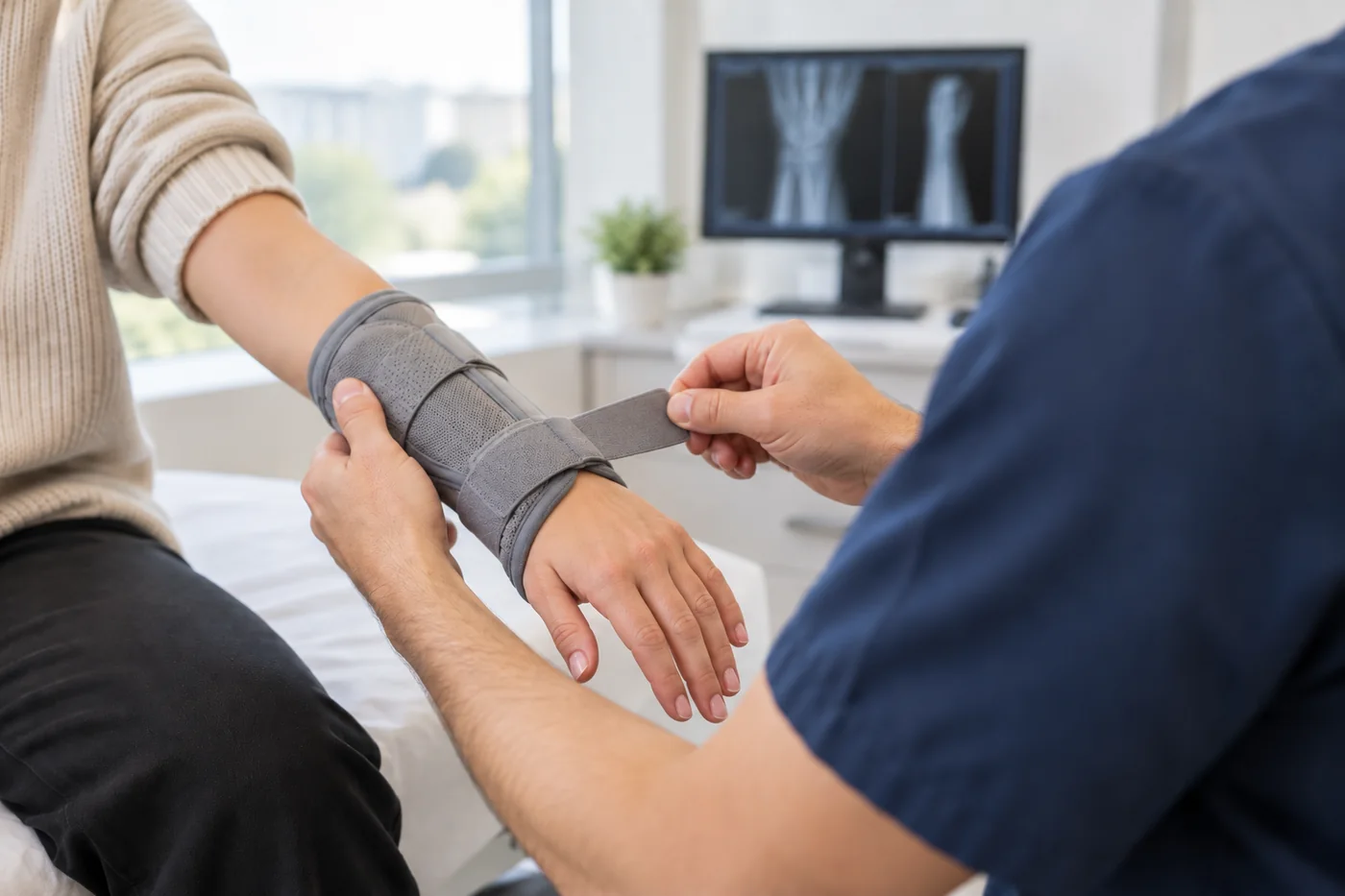
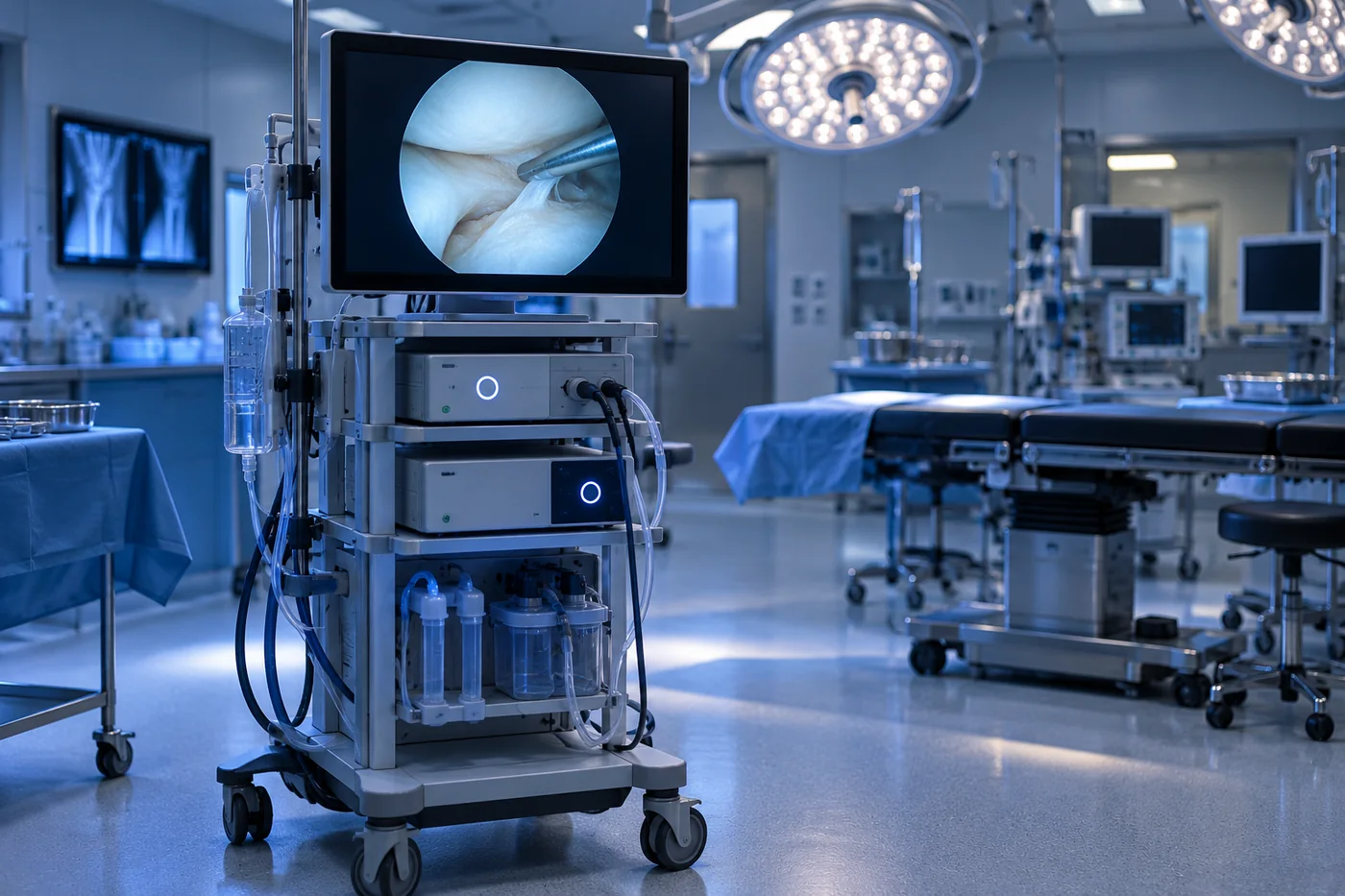
Surgery may be recommended for a complete unstable injury, particularly when diagnosed early, or for chronic symptoms with demonstrable instability. The exact method depends on tissue quality, reducibility and cartilage condition.
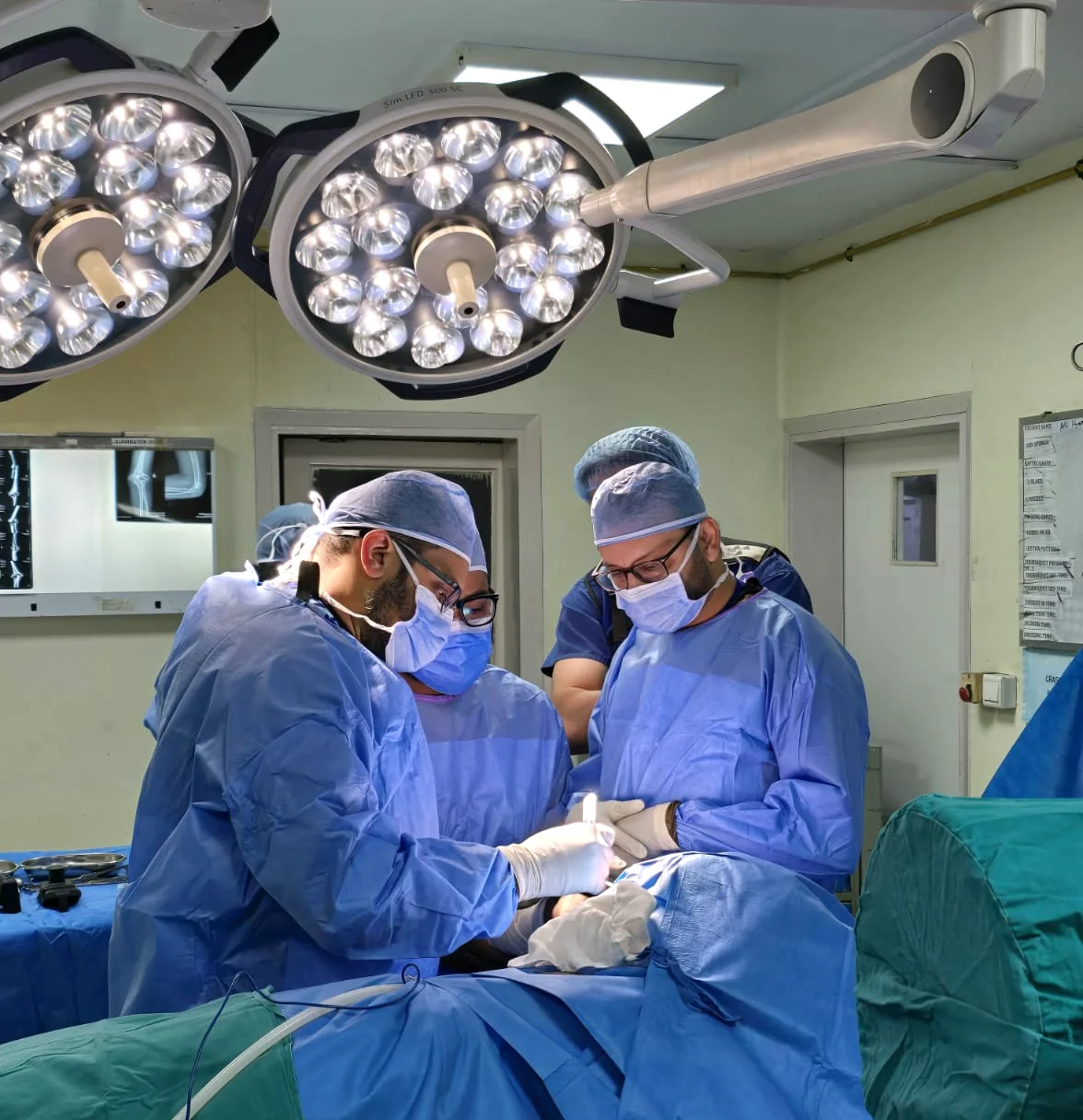
Timelines are guides only. The diagnosis, procedure, stability, cartilage condition, job and associated injuries all influence recovery.
The wrist is immobilised and finger motion is maintained.
Pins or casts may be removed according to the reconstruction; therapy begins gradually.
Strength and functional loading progress in stages.
Recovery after reconstruction can continue for many months and return to heavy sport is individual.

 4.96/555 verified reviews
Dr Shoaib Arshad is a fellowship-trained consultant orthopaedic hand and wrist surgeon with UK specialist training and more than 17 years in orthopaedic surgery.
General information only. Your diagnosis and treatment plan should be based on an individual medical assessment.
It is a ligament injury, but complete tears can create carpal instability and deserve more specific assessment than a simple mild sprain.
Yes. Early or partial injuries may not show on routine views. Stress X-rays, MRI or arthroscopy may be needed.
A complete unstable tear generally does not restore normal anatomy without treatment. Partial stable injuries may settle with protection.
Persistent instability can change wrist mechanics and may lead to scapholunate advanced collapse arthritis over time.
Dr Arshad sees private patients at The Highfield Hospital, Manchester Road, Rochdale OL11 4LZ — within easy reach of Manchester, Oldham, Bury, Bolton and the wider North West. You can book online through Circle Health Group, call +44 7443 213645, or send an enquiry and the team will help.
Request a specialist consultation and bring any previous X-rays, MRI scans, reports, braces or treatment information.