
Visible or palpable lump
The swelling may feel soft, firm or fluctuate in size.
A wrist lump that changes size or becomes painful with activity is often a ganglion cyst. Most are harmless, but assessment can confirm the diagnosis and explain whether observation, aspiration or surgical excision is appropriate.

A fluid-filled sac arising from a joint capsule or tendon sheath.
Typical ganglion cysts are benign and often harmless.
Observation, temporary support, aspiration or excision.
Yes. Recurrence can occur after aspiration and, less commonly, after excision.
A ganglion is a sac of thick joint-like fluid connected to a joint or tendon sheath by a stalk. It most commonly appears on the back of the wrist but can occur on the palm side or remain hidden beneath the skin.
The cyst may appear suddenly, change size with activity and sometimes disappear. Pain can come from pressure, loading or irritation of nearby structures.
Symptoms vary with the injured wrist structure and how long function has been affected. Persistent pain, clicking, stiffness, weakness or instability deserves specialist assessment.
The swelling may feel soft, firm or fluctuate in size.
Press-ups, yoga or pushing from a chair may hurt.
Repetitive use can increase discomfort.
A cyst pressing on a nearby nerve can cause symptoms.
Pain may occur even when no lump is visible.
Some patients seek treatment because of appearance or anxiety.
A useful consultation connects pain location, stability, imaging and function to the exact wrist structure—not just the label.
The exact trigger is uncertain, but mechanical irritation may contribute.
Cysts are seen in activities that repeatedly load the wrist.
Mucous cysts near a finger joint are often associated with arthritis.
Many ganglions appear without a clear injury.
Most ganglions are diagnosed by examination. Imaging is used when the lump is hidden, atypical or another condition must be excluded.
Size changes, pain and consistency are assessed.
Light may pass through a fluid-filled cyst.
X-rays do not show the cyst but can assess arthritis or bone problems.
Soft-tissue imaging can confirm an occult cyst or exclude a solid mass.
Surgery is not automatic. Treatment is matched to pain, stability, cartilage condition, imaging and the patient’s goals.

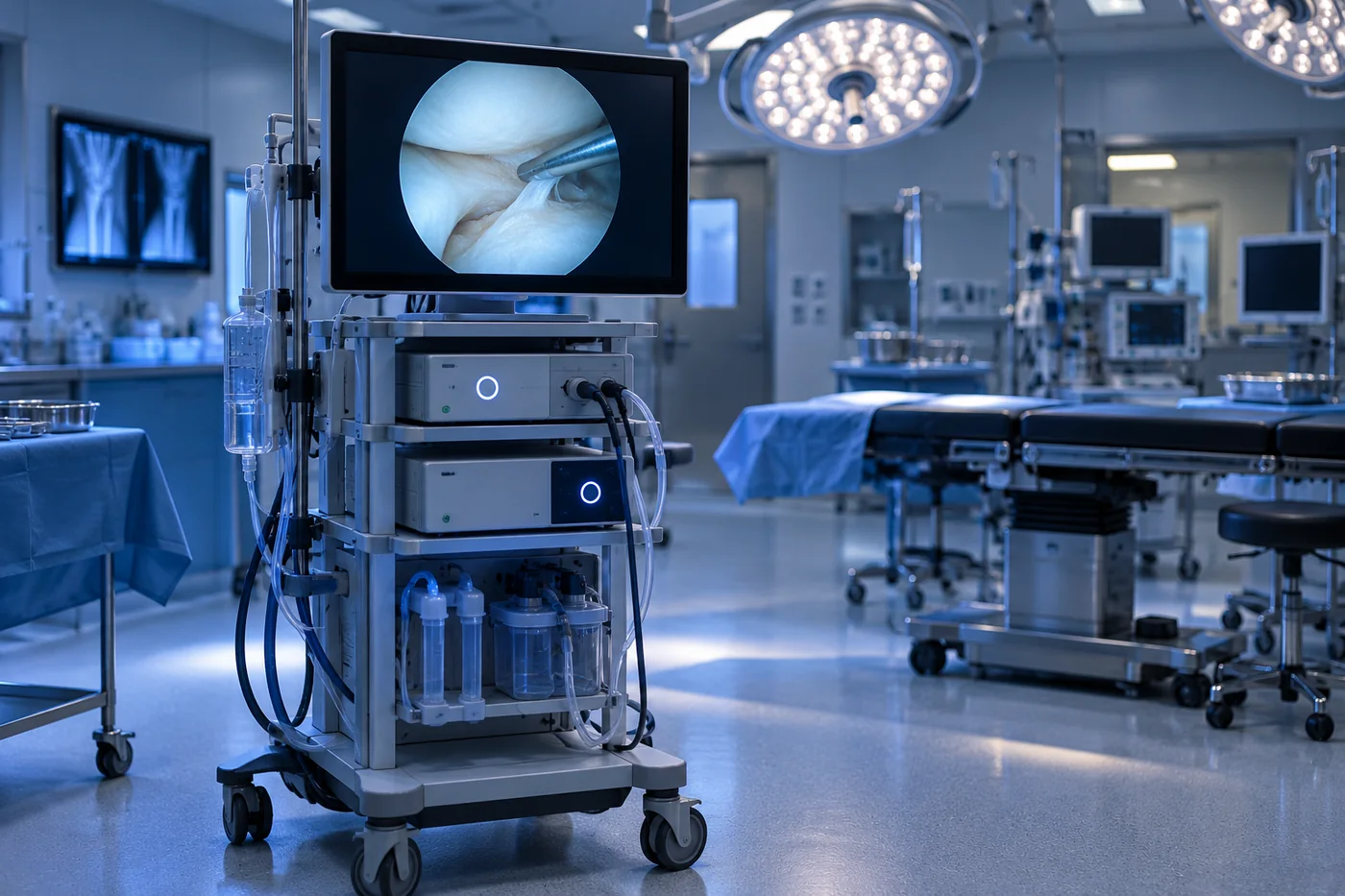
Surgery may be considered when pain or functional limitation persists, when the cyst returns after aspiration, or when diagnosis or appearance is a concern.
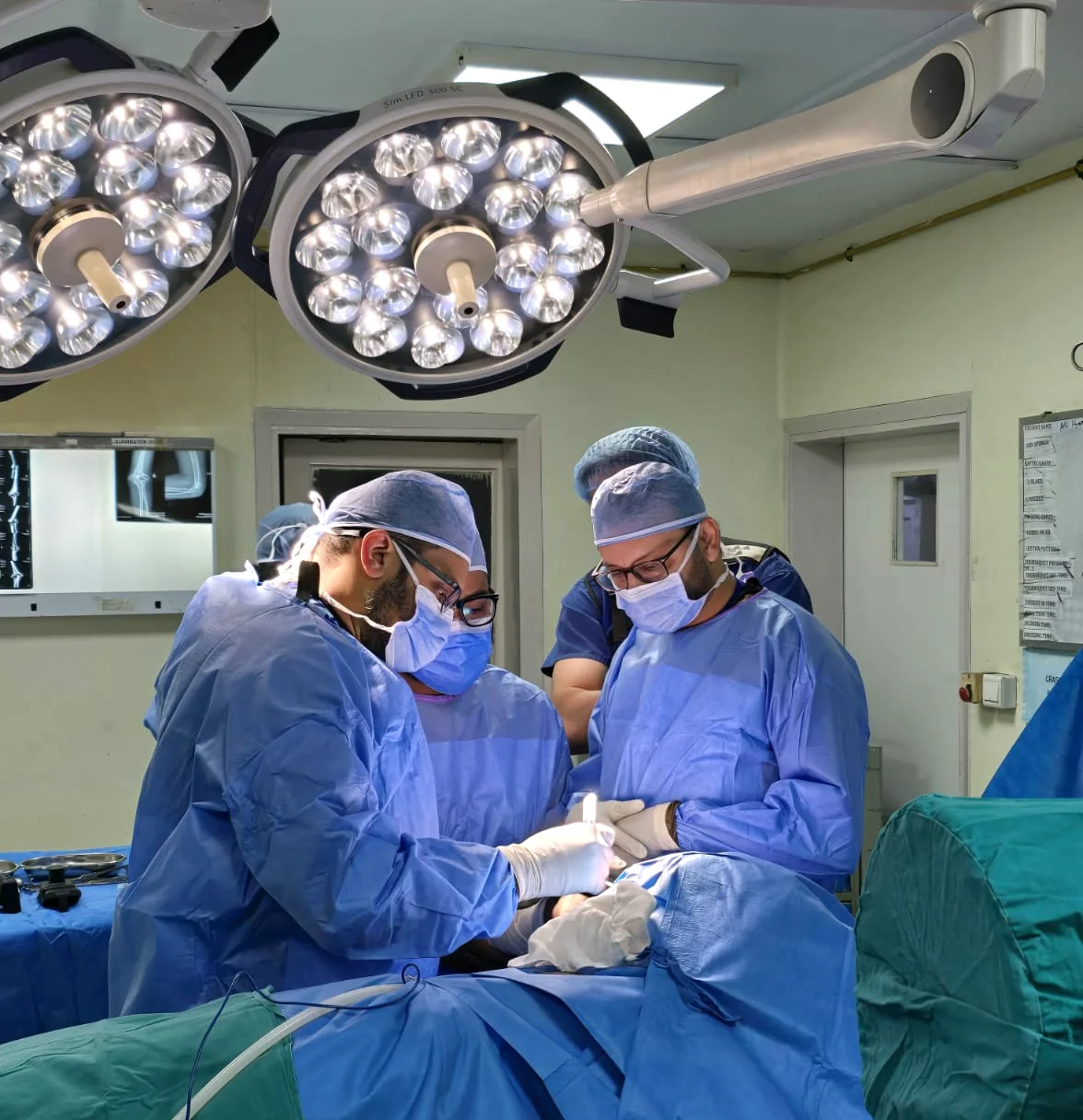
Timelines are guides only. The diagnosis, procedure, stability, cartilage condition, job and associated injuries all influence recovery.
Elevate the hand, protect the dressing and move the fingers.
Wound review and progression of light wrist use.
Most daily activity returns as pain and swelling settle.
Scar sensitivity and stiffness can continue to improve over several months.

 4.96/555 verified reviews
Dr Shoaib Arshad is a fellowship-trained consultant orthopaedic hand and wrist surgeon with UK specialist training and more than 17 years in orthopaedic surgery.
General information only. Your diagnosis and treatment plan should be based on an individual medical assessment.
No. Many are painless and harmless and can be observed.
Yes. Ganglions may shrink or disappear, although they can also recur.
Aspiration removes fluid but usually leaves the stalk and connection to the joint.
No. This can injure the skin or nearby structures and is not recommended.
Dr Arshad sees private patients at The Highfield Hospital, Manchester Road, Rochdale OL11 4LZ — within easy reach of Manchester, Oldham, Bury, Bolton and the wider North West. You can book online through Circle Health Group, call +44 7443 213645, or send an enquiry and the team will help.
Request a specialist consultation and bring any previous X-rays, MRI scans, reports, braces or treatment information.