
Pain with activity
Gripping, lifting and loaded extension may hurt.
Wrist arthritis can make gripping, rotation and everyday tasks painful. Treatment is based on the type and location of arthritis, the remaining healthy joints and how much pain, stiffness and weakness affect your life.
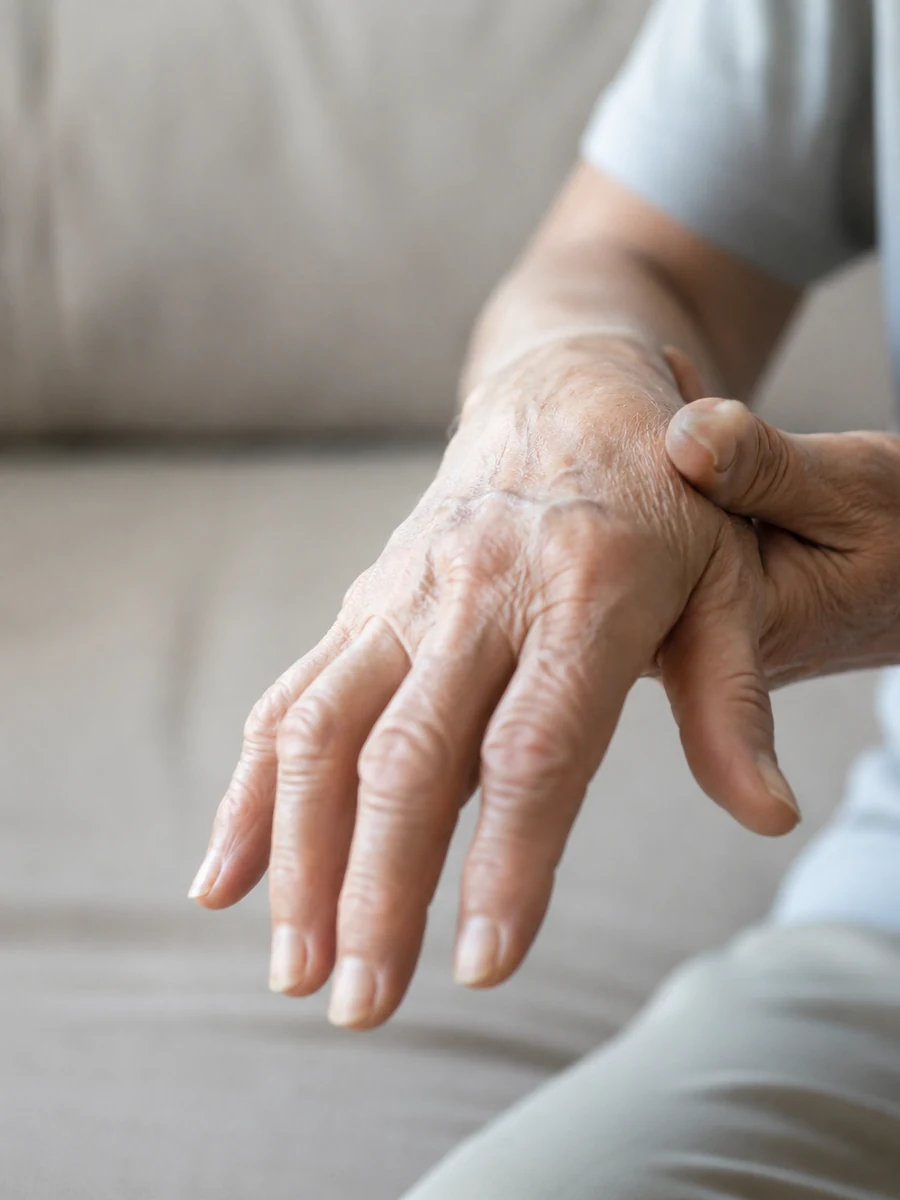
Osteoarthritis, post-traumatic arthritis and inflammatory arthritis.
Examination and X-rays map where cartilage has been lost.
Activity changes, splinting, medication, therapy and selected injection.
Options range from motion-preserving procedures to partial/total fusion or replacement.
The wrist is a collection of many small joints. Arthritis develops when protective cartilage is damaged or worn, allowing painful contact and altered movement between bones.
The pattern may follow a previous fracture or ligament tear, arise through osteoarthritis or result from inflammatory disease such as rheumatoid arthritis.
Symptoms vary with the injured wrist structure and how long function has been affected. Persistent pain, clicking, stiffness, weakness or instability deserves specialist assessment.
Gripping, lifting and loaded extension may hurt.
Motion is often reduced, particularly flexion and extension.
The wrist can look full or inflamed.
Pain and altered mechanics reduce grip strength.
Damaged surfaces can create crepitus.
Symptoms may vary with activity or inflammatory disease activity.
A useful consultation connects pain location, stability, imaging and function to the exact wrist structure—not just the label.
Cartilage gradually wears over time.
A previous fracture or ligament tear changes joint loading.
Autoimmune disease damages cartilage and ligaments.
Collapse or nonunion can lead to secondary arthritis.
The key is to identify the arthritis pattern, its severity and the joints that remain healthy enough to preserve motion.
Pain pattern, work, sport and desired motion are discussed.
Movement, tenderness, swelling and tendon function are assessed.
Joint-space loss, collapse and alignment are mapped.
These are used when inflammatory disease or a complex pattern is suspected.
Surgery is not automatic. Treatment is matched to pain, stability, cartilage condition, imaging and the patient’s goals.

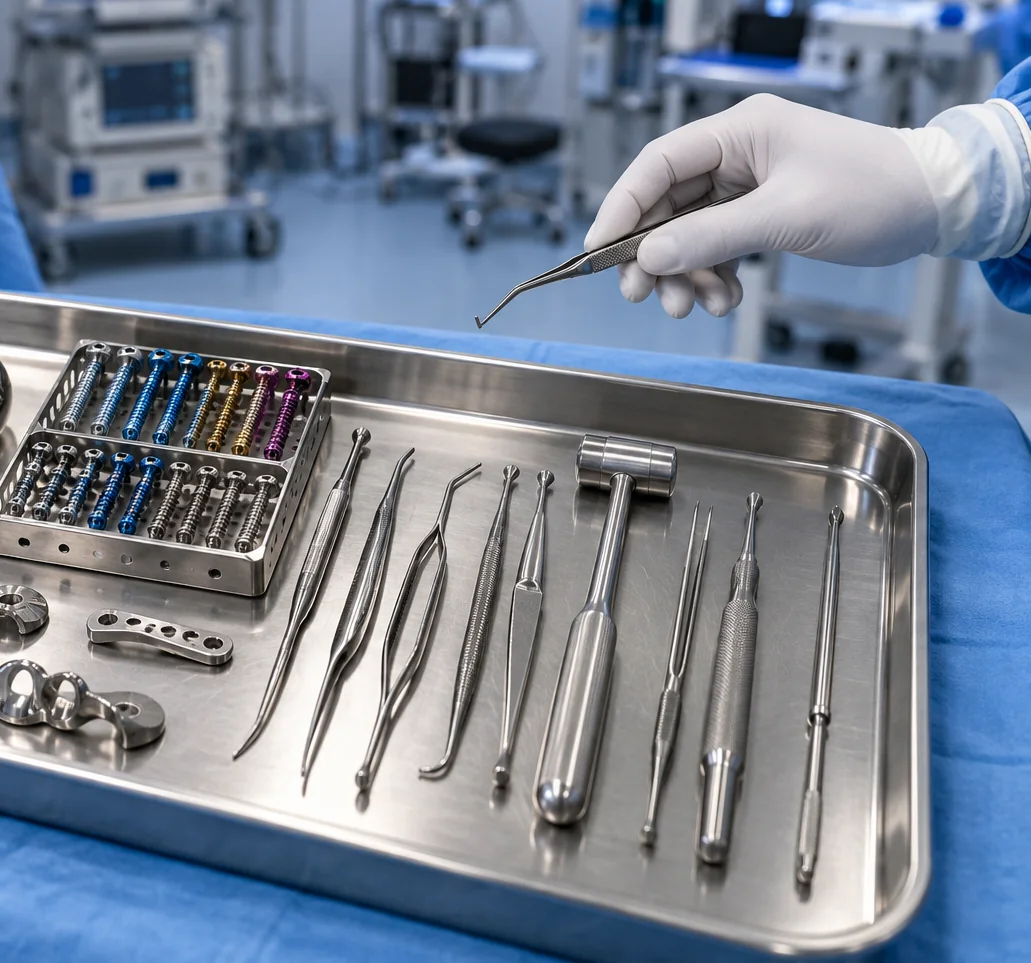
Surgery is considered when pain remains unacceptable despite nonsurgical care and daily life is significantly affected. The best procedure depends on the arthritis pattern, age, activity and goals.
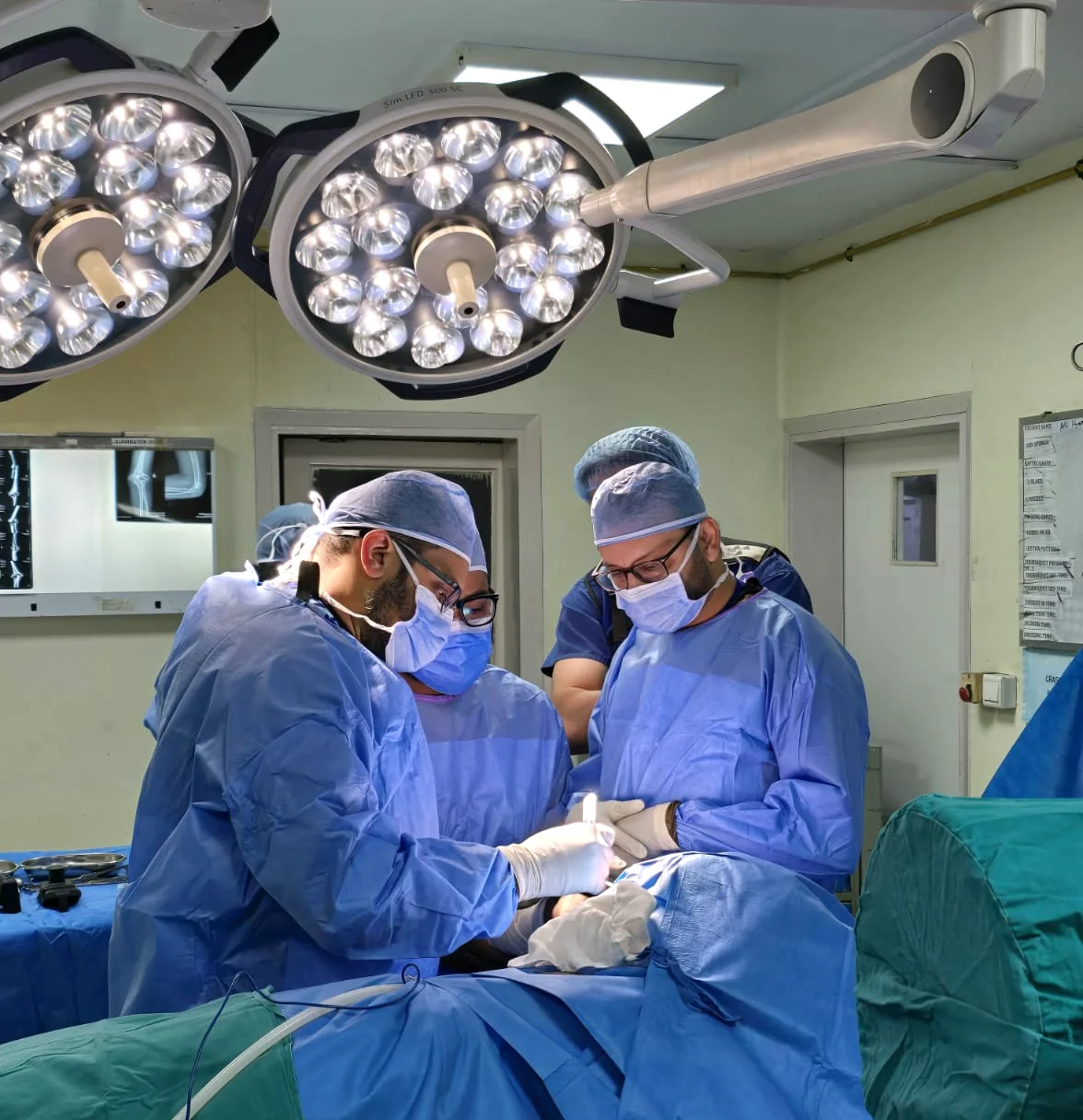
Timelines are guides only. The diagnosis, procedure, stability, cartilage condition, job and associated injuries all influence recovery.
The wrist is protected while swelling and wound discomfort settle.
Bone healing or implant recovery is monitored and therapy progresses.
Strength and daily function improve gradually.
The final balance of pain relief, motion and endurance can take many months.

 4.96/555 verified reviews
Dr Shoaib Arshad is a fellowship-trained consultant orthopaedic hand and wrist surgeon with UK specialist training and more than 17 years in orthopaedic surgery.
General information only. Your diagnosis and treatment plan should be based on an individual medical assessment.
Current treatment cannot restore worn cartilage, but pain and function can often be improved.
Not necessarily. Some procedures preserve motion; total fusion sacrifices wrist flexion/extension for reliable stability and pain relief.
Partial fusion treats selected damaged joints and keeps movement through remaining joints. Total fusion eliminates wrist motion but preserves forearm rotation and finger movement.
No. It is generally reserved for carefully selected patients based on bone quality, activity and the arthritis pattern.
Dr Arshad sees private patients at The Highfield Hospital, Manchester Road, Rochdale OL11 4LZ — within easy reach of Manchester, Oldham, Bury, Bolton and the wider North West. You can book online through Circle Health Group, call +44 7443 213645, or send an enquiry and the team will help.
Request a specialist consultation and bring any previous X-rays, MRI scans, reports, braces or treatment information.