
Little-finger-side wrist pain
Pain near the ulnar head, often worse with gripping or rotation.
Pain on the little-finger side of the wrist, clicking during rotation or weakness when gripping can come from the triangular fibrocartilage complex. A focused assessment helps distinguish a stable injury that may settle with protection from an unstable tear that may need repair.

A cartilage-and-ligament complex that stabilises the ulnar side of the wrist and helps absorb load.
Pain, swelling, clicking or difficulty rotating the forearm.
Protection, splinting, activity modification, therapy and selected injection.
When instability, a repairable tear or persistent mechanical symptoms remain limiting.
The triangular fibrocartilage complex sits between the ulna and the carpal bones on the little-finger side of the wrist. It supports forearm rotation, stabilises the distal radioulnar joint and helps transmit load.
TFCC problems may follow a fall or twisting injury, or develop gradually through wear. Not every tear seen on MRI causes symptoms, so the history and examination matter.
Symptoms vary with the injured wrist structure and how long function has been affected. Persistent pain, clicking, stiffness, weakness or instability deserves specialist assessment.
Pain near the ulnar head, often worse with gripping or rotation.
A click may be felt when turning a key, jar or door handle.
Pronation and supination can feel painful or restricted.
Lifting a pan, racket or weight may reproduce symptoms.
Acute tears may cause local swelling and tenderness.
The wrist may feel unreliable during load or twisting.
A useful consultation connects pain location, stability, imaging and function to the exact wrist structure—not just the label.
Landing on the hand while the wrist rotates can tear TFCC attachments.
A jammed drill, racket stroke or forceful twist may injure the complex.
TFCC injury can occur with a distal radius fracture.
Age-related change or altered ulnar loading may produce fraying and pain.
Diagnosis combines the exact pain location, stability tests and imaging. The aim is to separate a stable painful tear from true instability or another cause of ulnar wrist pain.
The mechanism, clicking, rotation pain and load sensitivity are documented.
The distal radioulnar and ulnocarpal joints are assessed.
X-rays check bone alignment, ulnar variance and associated injury.
MRI can show significant tears; arthroscopy may be used when the diagnosis or treatment plan remains uncertain.
Surgery is not automatic. Treatment is matched to pain, stability, cartilage condition, imaging and the patient’s goals.
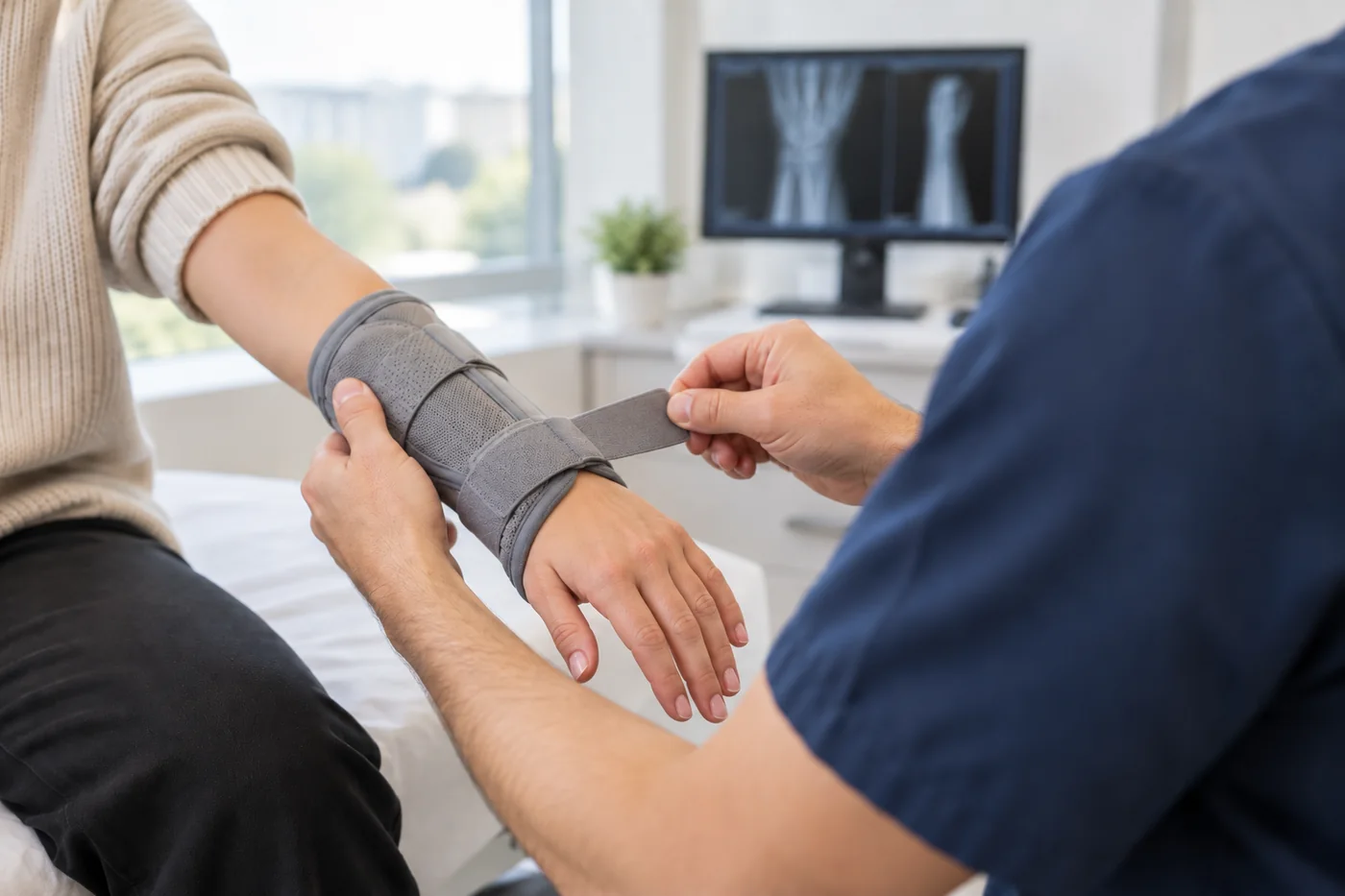
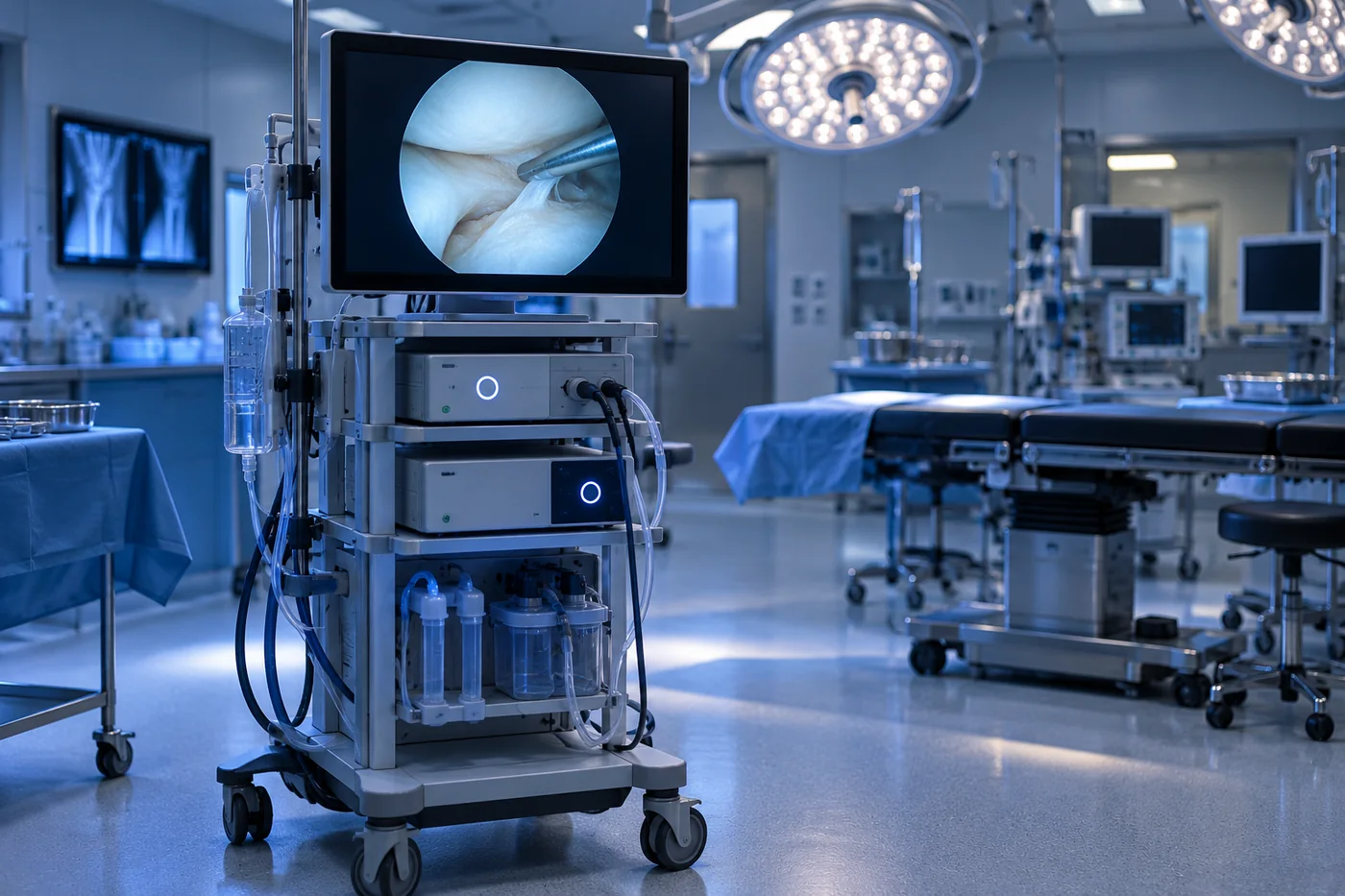
Surgery is not automatic. It may be discussed when there is instability, a repairable traumatic tear, persistent mechanical symptoms or pain that remains limiting after suitable nonsurgical care.
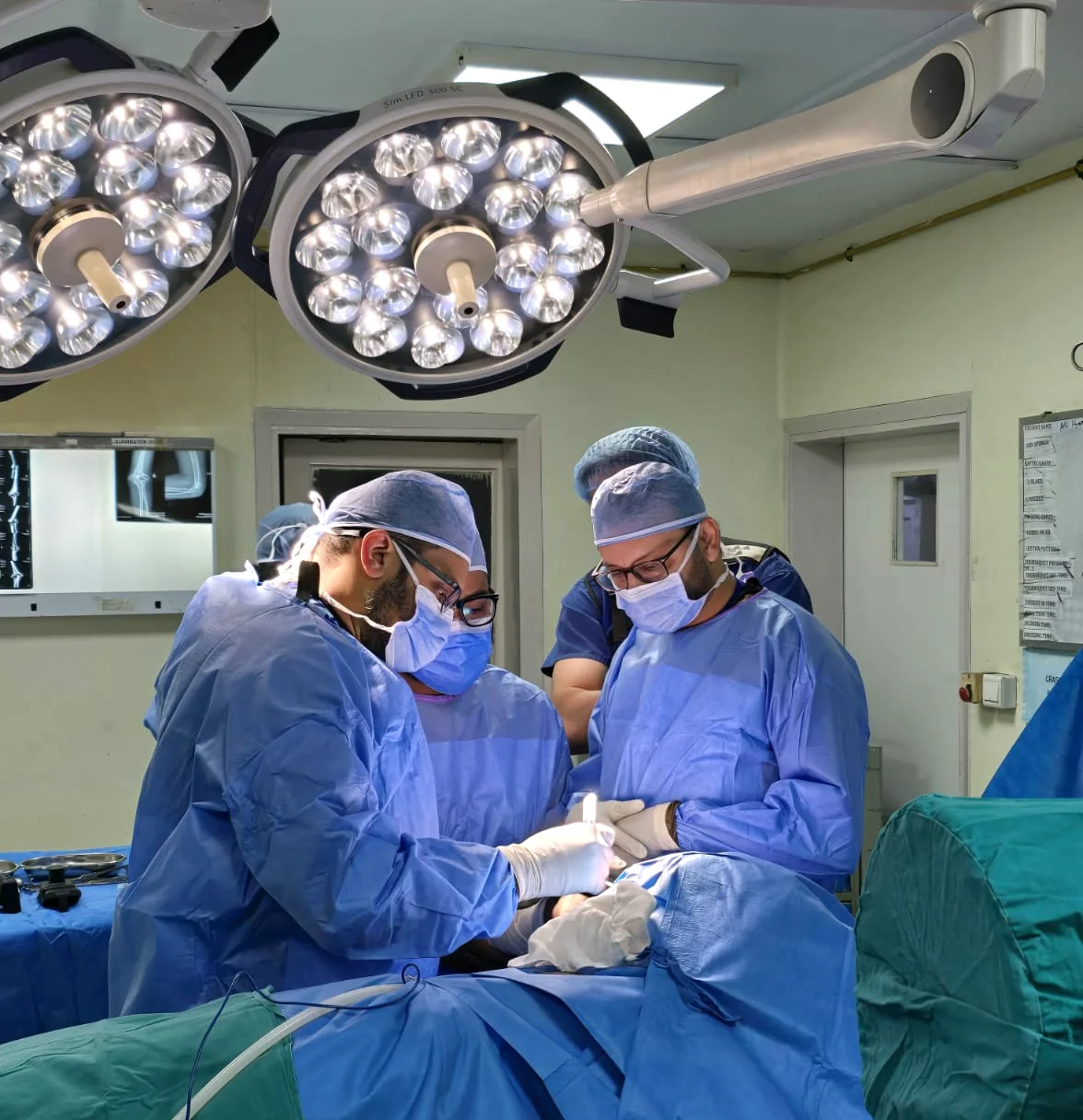
Timelines are guides only. The diagnosis, procedure, stability, cartilage condition, job and associated injuries all influence recovery.
Elevate the hand, protect the wound and follow splint instructions.
A repair may require immobilisation with restricted forearm rotation.
Motion and light function progress under therapy guidance.
Grip, rotation and sport-specific loading return gradually; recovery can be slower after unstable injury.

 4.96/555 verified reviews
Dr Shoaib Arshad is a fellowship-trained consultant orthopaedic hand and wrist surgeon with UK specialist training and more than 17 years in orthopaedic surgery.
General information only. Your diagnosis and treatment plan should be based on an individual medical assessment.
Many stable traumatic injuries improve with time, protection and rehabilitation. Surgery is more likely when the wrist remains unstable or mechanical symptoms persist.
No. Degenerative changes and even tears can exist without symptoms. Treatment should match the examination and functional problem.
Twisting a jar, rotating a key, using a racket, pushing up from a chair and loaded gripping can reproduce ulnar-sided pain.
Debridement trims unstable frayed tissue. Repair reattaches a tear in a region with healing potential and usually requires longer protection.
Dr Arshad sees private patients at The Highfield Hospital, Manchester Road, Rochdale OL11 4LZ — within easy reach of Manchester, Oldham, Bury, Bolton and the wider North West. You can book online through Circle Health Group, call +44 7443 213645, or send an enquiry and the team will help.
Request a specialist consultation and bring any previous X-rays, MRI scans, reports, braces or treatment information.