
Middle joint bending backwards
The PIP joint over-straightens when the finger is held out.
A middle finger joint that bends backwards while the fingertip stays bent can follow an untreated mallet finger, a joint injury or inflammatory arthritis. Early assessment can often correct a flexible deformity with a splint before it becomes stiff.

The middle (PIP) joint over-straightens and the fingertip (DIP) joint stays bent.
A small splint that stops the middle joint bending backwards, and treating any mallet finger.
A flexible deformity is generally easier to correct than a stiff, fixed one.
Troublesome snapping, failed splinting, rheumatoid disease or a fixed, painful joint.
Finger movement depends on a fine balance between the tendons and ligaments around each joint. In a swan-neck deformity that balance is lost: the proximal interphalangeal (PIP) joint over-straightens (hyperextends) while the distal interphalangeal (DIP) joint at the fingertip stays bent. It is closely related to mallet finger and is, in effect, the opposite posture to a swan-neck deformity.
Early on the finger may simply feel as if it catches or snaps as it starts to bend. Over time, especially with arthritis, the joint can become stiff and harder to correct.
Symptoms vary with the tendon or finger structure involved and how long function has been affected. Persistent locking, weakness, deformity or loss of movement deserves specialist assessment.
The PIP joint over-straightens when the finger is held out.
The DIP joint rests in a bent position and may not straighten fully.
The finger may catch or snap as it begins to bend into a fist.
Starting to bend the finger around small objects can be awkward.
A long-standing deformity may no longer correct fully with passive movement.
Rheumatoid or other inflammatory arthritis can cause swelling, pain and progressive deformity.
A useful consultation connects the symptom pattern to the exact tendon, pulley or joint involved—not just the label.
Loss of the tendon at the fingertip can shift the pull of the extensor tendon to the middle joint.
A hyperextension injury can loosen the ligament that stops the middle joint bending backwards.
Rheumatoid arthritis can weaken ligaments and tighten the small muscles of the hand.
Naturally lax joints, or conditions affecting muscle tone, can also contribute.
Assessment identifies what started the imbalance, whether the deformity is still flexible and whether arthritis or joint damage is present.
Timing, mechanism and progression are documented.
Active and passive PIP and DIP movement are compared.
Examination checks for mallet finger, volar plate laxity and tightness of the small hand muscles.
Imaging checks for fracture, joint alignment and arthritis.
Surgery is not automatic. Treatment is matched to the exact tendon or finger problem, symptom severity, function and the patient’s goals.
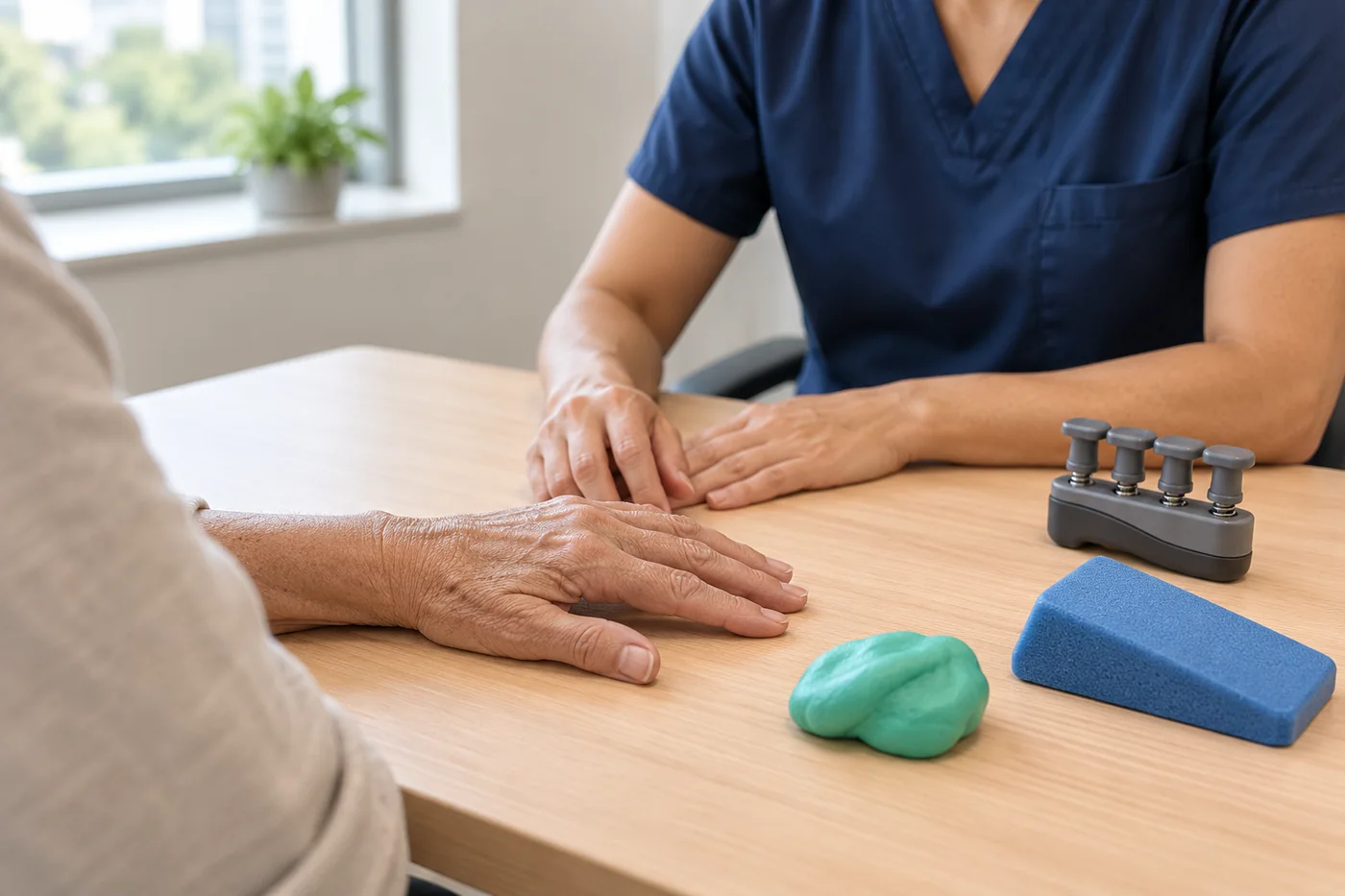

Non-surgical treatment is usually tried first, particularly when the deformity is flexible. Surgery is considered when snapping or deformity continues to affect function despite splinting, or when the joint is stiff or badly affected by arthritis.
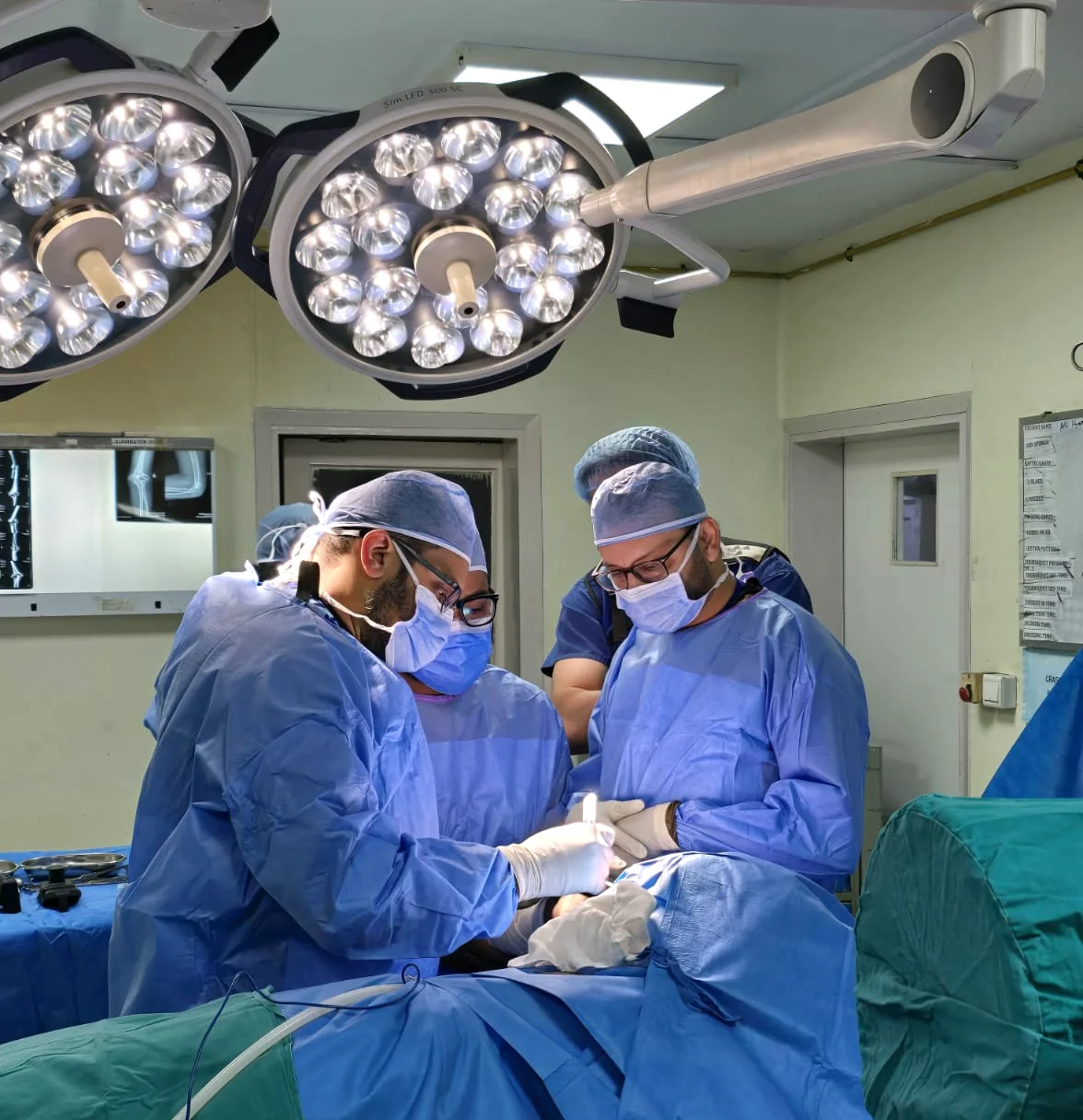
Timelines are guides only. The diagnosis, procedure, wound, therapy programme, job and associated injuries all influence recovery.
After surgery, the finger is usually protected in a splint while it heals.
Movement is introduced gradually under hand-therapy guidance.
Grip and everyday use are increased as the repair strengthens.
Movement and strength can keep improving for several months; arthritis-related cases may recover more slowly.

 4.96/555 verified reviews
Dr Shoaib Arshad is a fellowship-trained consultant orthopaedic hand and wrist surgeon with UK specialist training and more than 17 years in orthopaedic surgery.
General information only. Your diagnosis and treatment plan should be based on an individual medical assessment.
It can be. An untreated mallet finger can shift the pull of the extensor tendon to the middle joint, which gradually bends backwards.
A splint that stops the middle joint bending backwards often helps a flexible deformity, especially if worn as advised.
Yes, but fixed deformities are more complex. Treatment depends on how flexible the finger is and the condition of the joint.
Not always. Surgery aims to improve function, alignment and pain, but stiffness or residual deformity may remain.
Dr Arshad sees private patients at The Highfield Hospital, Manchester Road, Rochdale OL11 4LZ — within easy reach of Manchester, Oldham, Bury, Bolton and the wider North West. Call +44 7443 213645 or send an enquiry and the team will confirm an appointment.
Request a specialist consultation and bring any previous imaging, reports, splints or treatment information.