
Fingertip droop
The end joint rests bent and cannot be actively straightened.
A fingertip that suddenly droops after a ball strike, jam or cut may be a mallet finger. Early assessment confirms whether the tendon alone is injured or a bone fragment is involved and helps fit a splint that holds the tip in the correct position throughout healing.
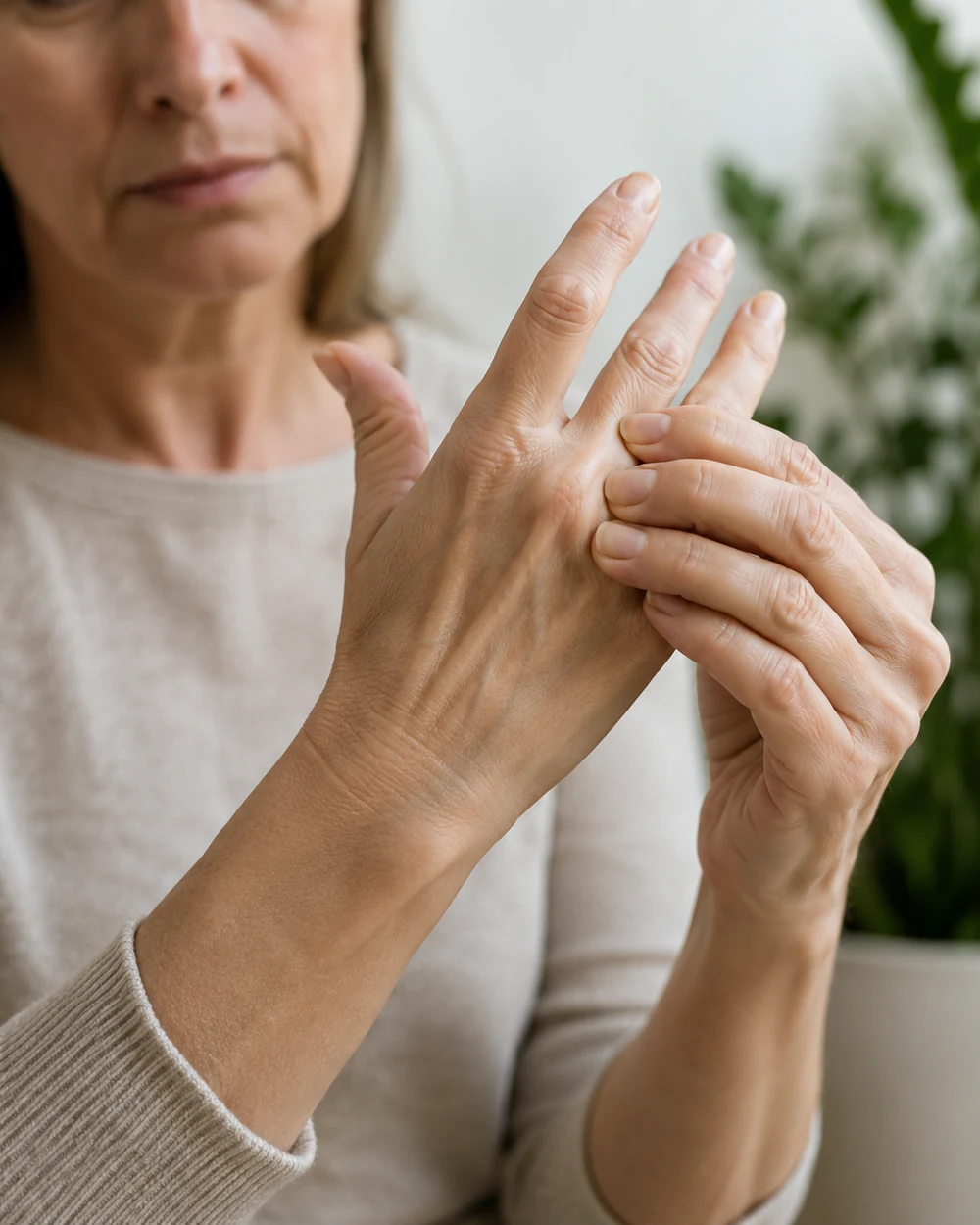
Injury to the tendon that straightens the fingertip, sometimes with a small fracture.
The fingertip droops and cannot be actively held straight.
Continuous extension splinting, usually for 6–8 weeks, in most cases.
Selected open injuries, large displaced fractures, joint subluxation or failed splint treatment.
Mallet finger occurs when the terminal extensor tendon at the fingertip is stretched, torn or pulled off with a fragment of bone. It often follows a ball striking the end of the finger.
The fingertip bends down and cannot be actively straightened, although it can usually be lifted into position with the other hand.
Symptoms vary with the tendon or finger structure involved and how long function has been affected. Persistent locking, weakness, deformity or loss of movement deserves specialist assessment.
The end joint rests bent and cannot be actively straightened.
Tenderness, bruising and swelling occur around the fingertip joint.
A direct blow commonly forces the tip downward.
An open injury may divide the tendon and needs urgent care.
An ill-fitting splint can cause skin breakdown and needs adjustment.
Long-standing imbalance can affect the middle joint in some patients.
A useful consultation connects the symptom pattern to the exact tendon, pulley or joint involved—not just the label.
A fast object strikes the fingertip and forces it to bend.
The tip can be caught or struck during everyday activity.
A cut across the back of the fingertip joint can divide the tendon.
The tendon may pull off a fragment of the distal phalanx.
The examination checks active extension, skin condition, joint alignment and whether the injury is closed, open or associated with fracture.
Timing and mechanism help distinguish acute from chronic injury.
The degree of droop and passive correction are recorded.
X-rays assess for an avulsion fracture and joint subluxation.
The skin and joint are checked to select a safe, effective splint position.
Surgery is not automatic. Treatment is matched to the exact tendon or finger problem, symptom severity, function and the patient’s goals.
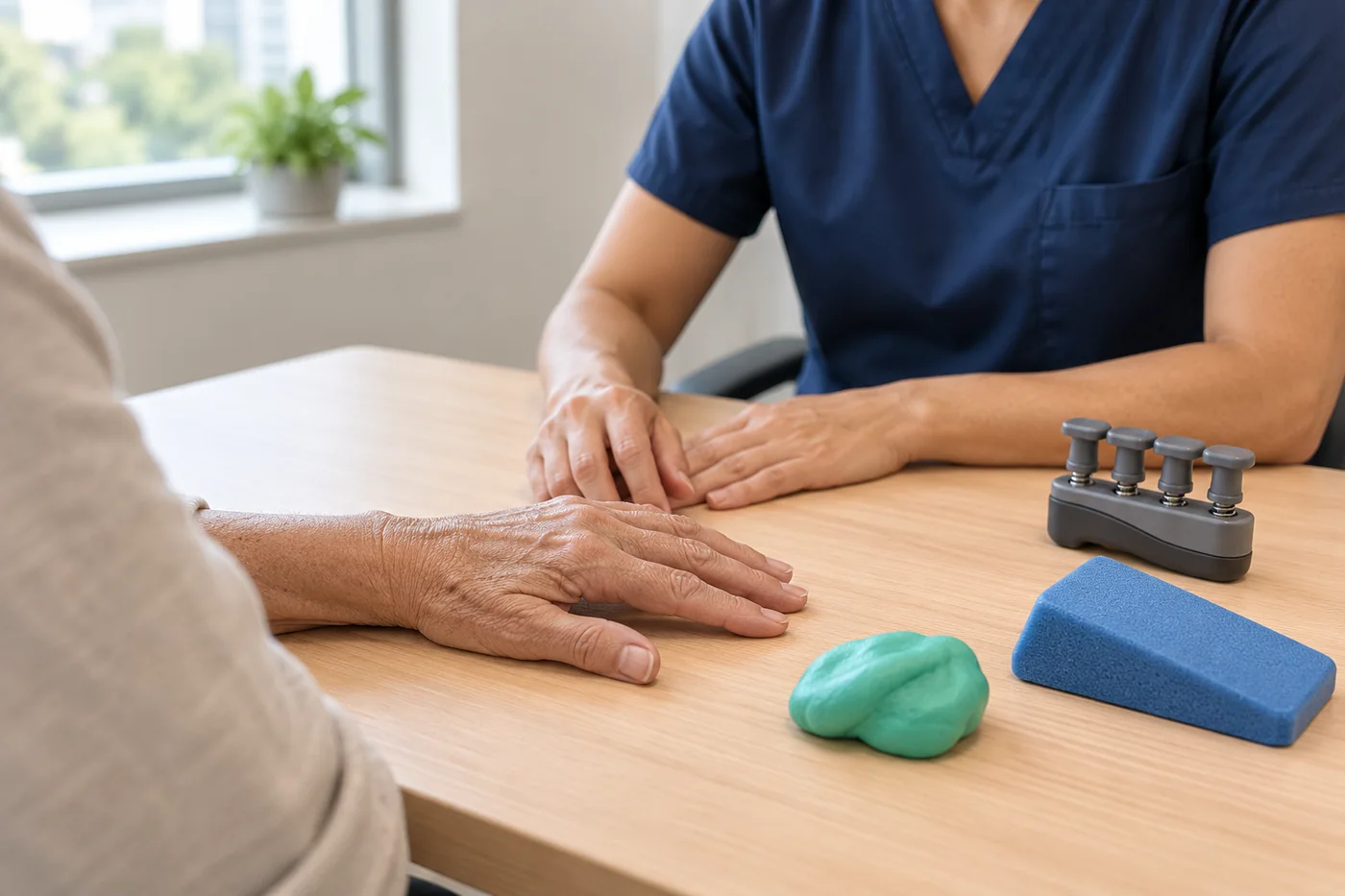
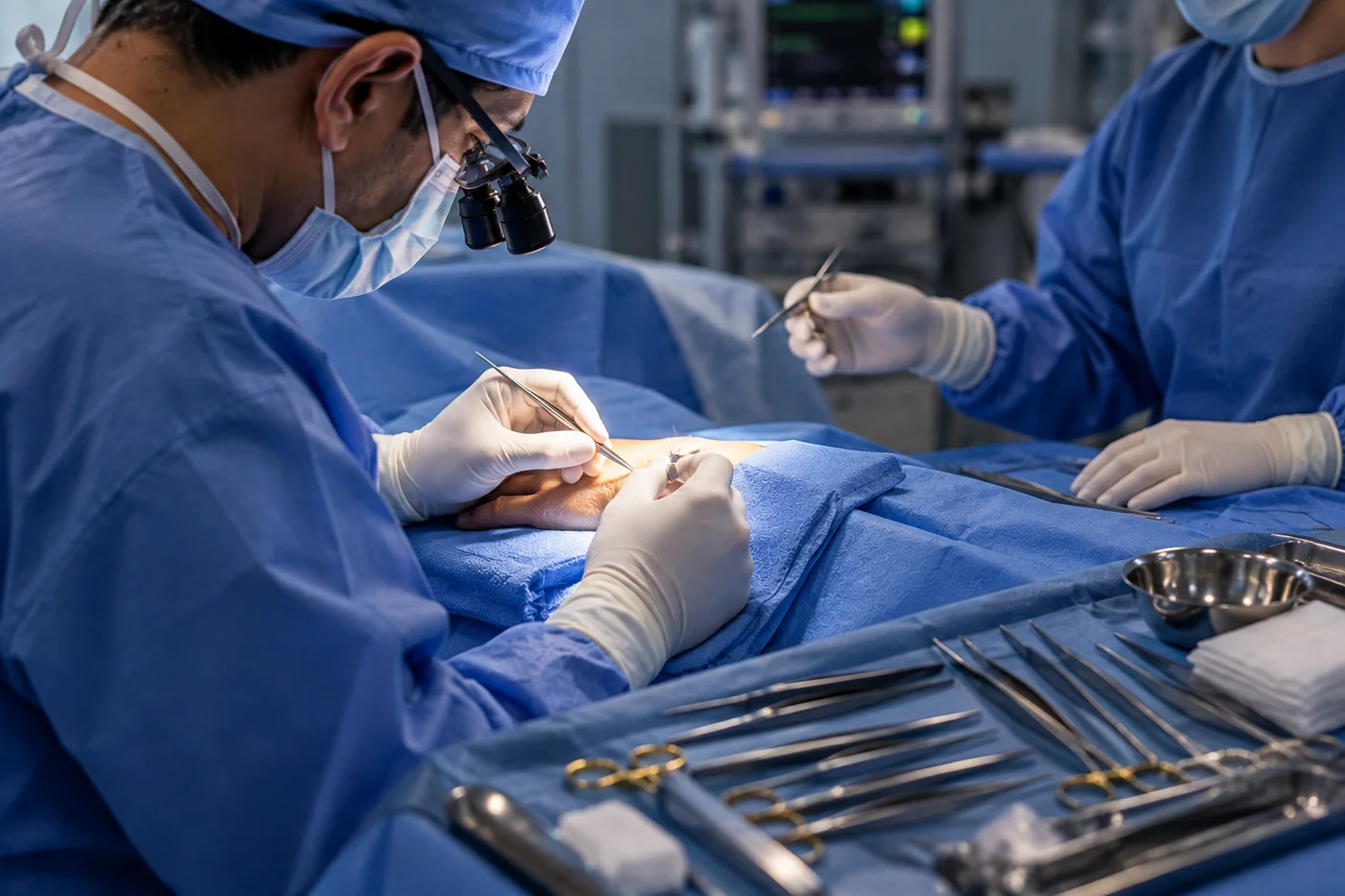
Most mallet fingers are treated without surgery. Surgery is reserved for selected open injuries, unstable or displaced fractures, joint subluxation, failed splinting or complex chronic deformity.
Timelines are guides only. The diagnosis, procedure, wound, therapy programme, job and associated injuries all influence recovery.
The fingertip is kept straight continuously in the prescribed splint.
Movement begins gradually only if the tendon can hold position.
Night or activity splinting may continue for several additional weeks.
Swelling, skin sensitivity and a small extension lag may continue to improve over months.

 4.96/555 verified reviews
Dr Shoaib Arshad is a fellowship-trained consultant orthopaedic hand and wrist surgeon with UK specialist training and more than 17 years in orthopaedic surgery.
General information only. Your diagnosis and treatment plan should be based on an individual medical assessment.
If the fingertip bends during the healing period, the tendon ends can separate and the splinting period may need to restart.
Only while the fingertip is fully supported in extension. Your therapist should show you the safest method.
No. Many bony mallet injuries heal with splinting. Surgery depends on fragment size, displacement and joint alignment.
A small bump or residual droop can remain even after successful treatment, but useful function is often restored.
Dr Arshad sees private patients at The Highfield Hospital, Manchester Road, Rochdale OL11 4LZ — within easy reach of Manchester, Oldham, Bury, Bolton and the wider North West. You can book online through Circle Health Group, call +44 7443 213645, or send an enquiry and the team will help.
Request a specialist consultation and bring any previous imaging, reports, splints or treatment information.