
Thumb-side wrist pain
Pain sits near the base of the thumb and radial wrist.
Pain on the thumb side of the wrist can make lifting, gripping, caring for a baby or using a phone uncomfortable. A specialist assessment can confirm whether the first dorsal compartment tendons are irritated and guide treatment from splinting to injection or release surgery.

Irritation and narrowing around the thumb tendons at the wrist.
Tenderness along the thumb side of the wrist, worse with thumb and wrist movement.
Activity changes, thumb-spica splinting, pain relief, therapy advice and selected injection.
When pain and dysfunction remain significant despite appropriate nonsurgical treatment.
Two thumb tendons pass through a tight compartment on the thumb side of the wrist. De Quervain’s develops when the tendons and their covering become irritated or thickened, making gliding painful.
Symptoms are often triggered by lifting, pinching, twisting, repetitive thumb use or caring for an infant, but many people have no single identifiable cause.
Symptoms vary with the tendon or finger structure involved and how long function has been affected. Persistent locking, weakness, deformity or loss of movement deserves specialist assessment.
Pain sits near the base of the thumb and radial wrist.
Opening jars, lifting a child or carrying bags may aggravate symptoms.
The area over the tendon compartment may feel sore or thickened.
Pinching, scrolling or moving the thumb away from the hand may hurt.
Discomfort can spread along the tendon path.
Persistent pain can limit work, sport and childcare tasks.
A useful consultation connects the symptom pattern to the exact tendon, pulley or joint involved—not just the label.
Frequent lifting, pinching or twisting can irritate the tendon compartment.
Hormonal and activity changes may contribute around pregnancy and early childcare.
Separate tendon subcompartments can affect symptoms and treatment response.
Scar, swelling or inflammatory disease may narrow the tendon sheath.
The examination localises pain to the first dorsal compartment and checks thumb, wrist, joint and nerve function so that other causes of radial wrist pain are not missed.
Tasks that provoke pain and the exact location are clarified.
Tenderness, swelling, range of motion and targeted provocative manoeuvres are assessed.
Thumb-base arthritis, intersection syndrome, ganglion or nerve irritation may mimic symptoms.
Ultrasound or X-ray may be used when the diagnosis is uncertain or another condition is suspected.
Surgery is not automatic. Treatment is matched to the exact tendon or finger problem, symptom severity, function and the patient’s goals.
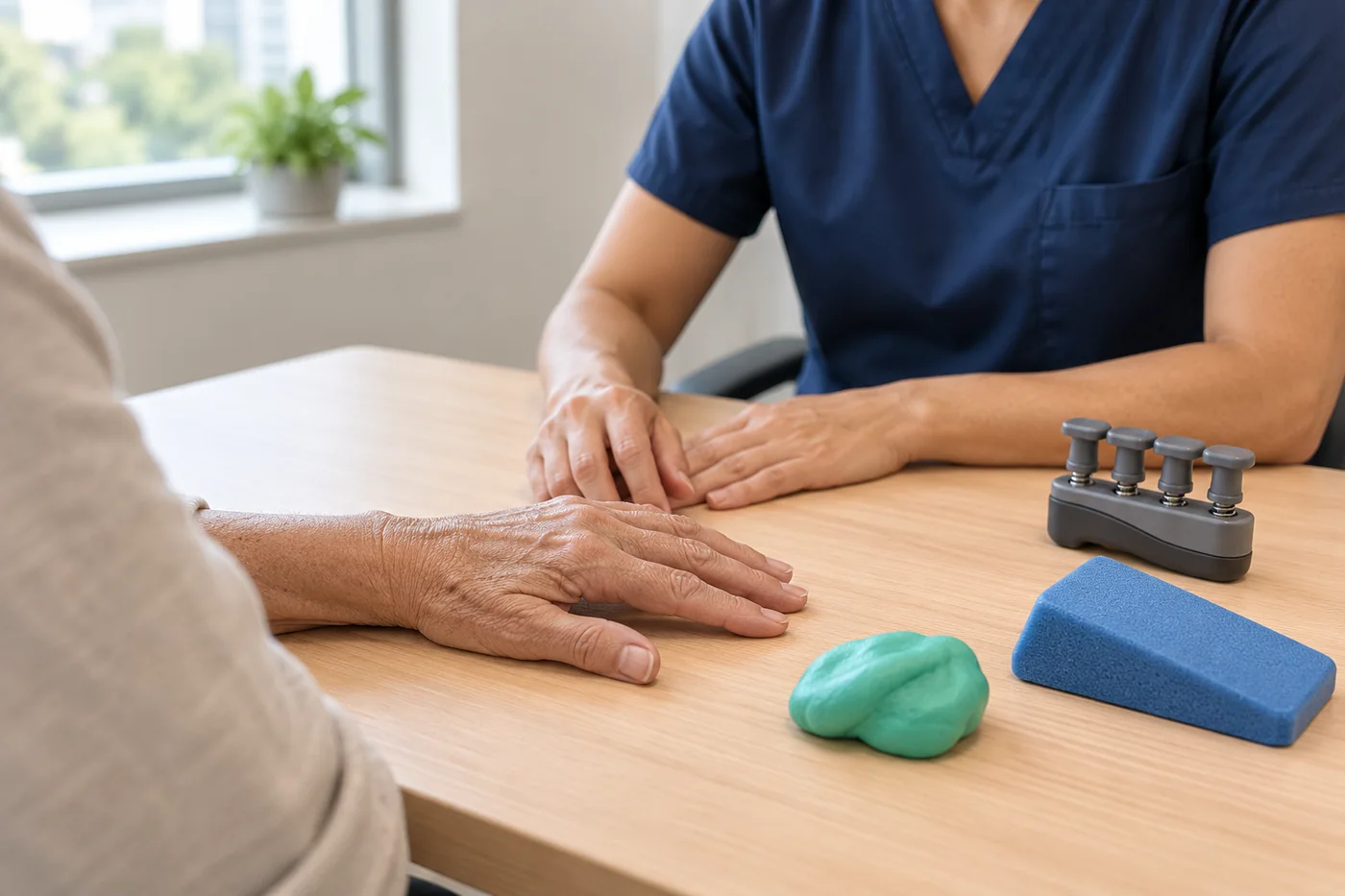

Surgery may be discussed when pain and functional limitation persist despite appropriate splinting, activity modification, therapy and/or injection.
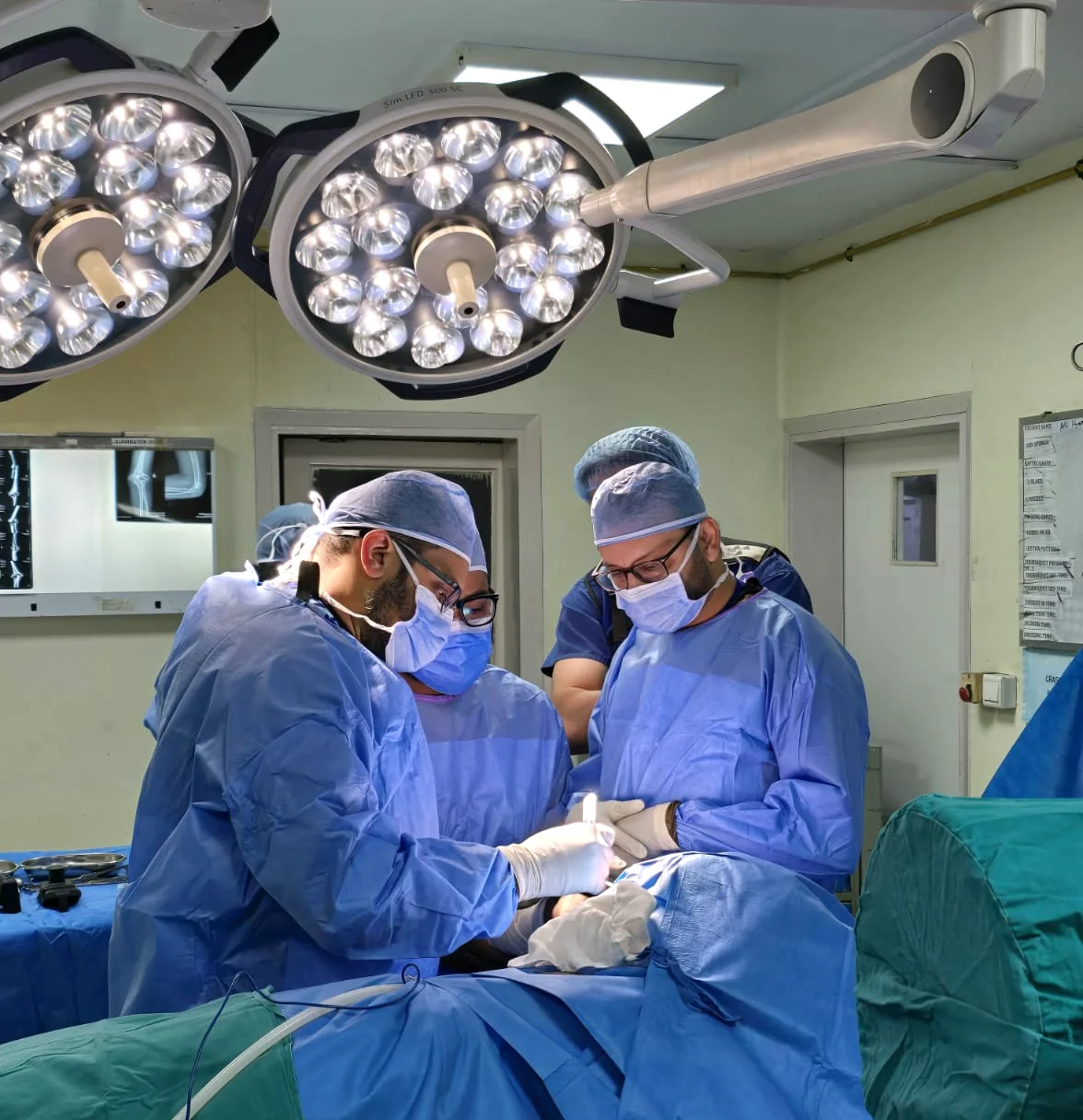
Timelines are guides only. The diagnosis, procedure, wound, therapy programme, job and associated injuries all influence recovery.
Elevate the hand, protect the wound and begin safe thumb/finger movement as advised.
Wound review; light activities usually progress according to comfort.
Grip and lifting are increased gradually; scar care may be introduced.
Tenderness and strength can continue to improve over several weeks or months.

 4.96/555 verified reviews
Dr Shoaib Arshad is a fellowship-trained consultant orthopaedic hand and wrist surgeon with UK specialist training and more than 17 years in orthopaedic surgery.
General information only. Your diagnosis and treatment plan should be based on an individual medical assessment.
No. De Quervain’s affects thumb tendons at the wrist, while thumb-base arthritis affects the joint. Examination helps distinguish them.
A thumb-spica splint can reduce irritation and is often part of treatment, but some patients also need therapy, injection or surgery.
Many patients improve, but response varies and symptoms may recur. The suitability and risks should be discussed individually.
When pain and dysfunction remain significant despite suitable nonsurgical care or when the diagnosis and anatomy make release appropriate.
Dr Arshad sees private patients at The Highfield Hospital, Manchester Road, Rochdale OL11 4LZ — within easy reach of Manchester, Oldham, Bury, Bolton and the wider North West. You can book online through Circle Health Group, call +44 7443 213645, or send an enquiry and the team will help.
Request a specialist consultation and bring any previous imaging, reports, splints or treatment information.