
Clicking or catching
A noticeable click as the finger bends or straightens.
A painful click, catching or a finger that locks can interfere with gripping, work and sleep. A focused assessment can confirm trigger finger, grade its severity and explain the least invasive treatment likely to restore smooth movement.
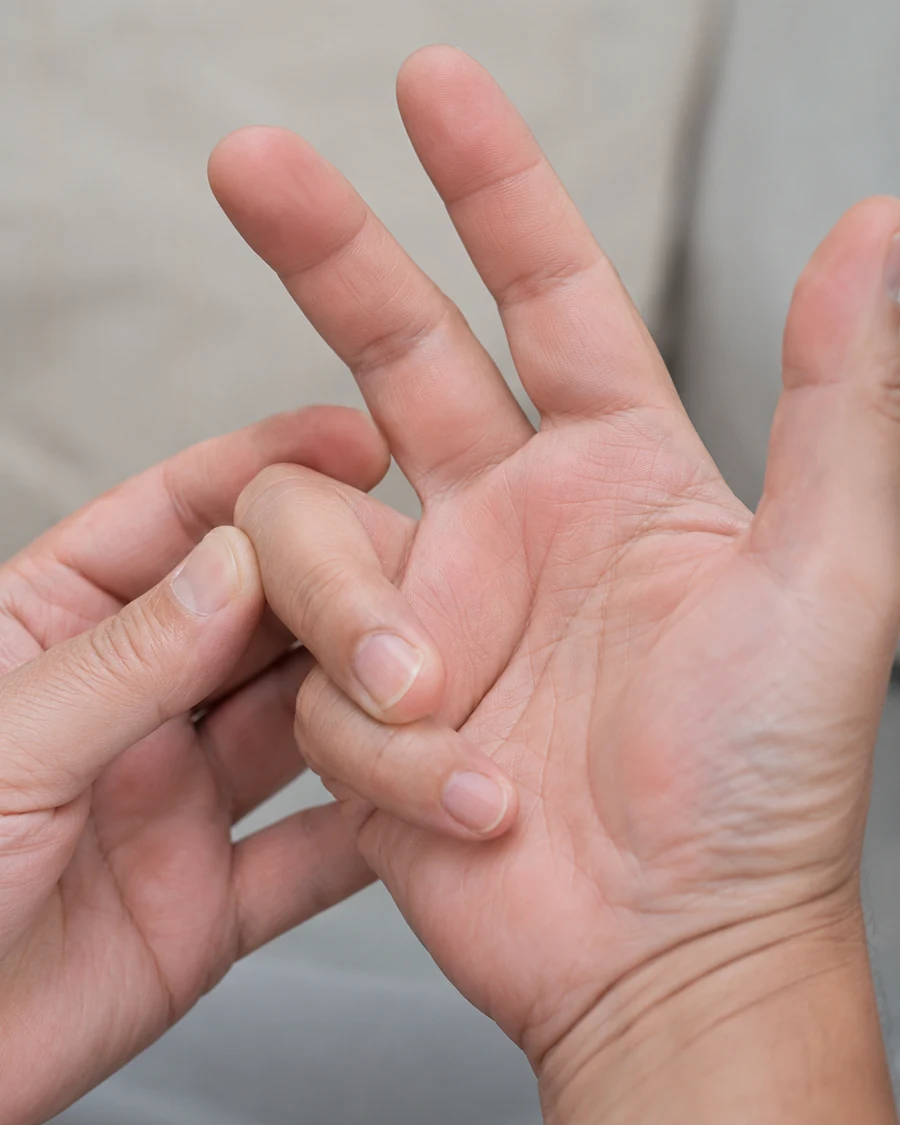
The flexor tendon catches at a narrowed pulley near the base of the finger or thumb.
Pain, clicking, catching, stiffness or locking when bending and straightening.
Activity changes, splinting, pain relief, steroid injection or release surgery.
When locking is severe, the finger is stuck or symptoms remain limiting after suitable care.
Flexor tendons glide through a series of pulleys that keep them close to the bones. Trigger finger develops when the tendon or its sheath becomes thickened and has difficulty passing through the A1 pulley.
The finger may click, catch or lock, particularly in the morning. Some people can straighten it with the other hand; in more advanced cases it may remain bent.
Symptoms vary with the tendon or finger structure involved and how long function has been affected. Persistent locking, weakness, deformity or loss of movement deserves specialist assessment.
A noticeable click as the finger bends or straightens.
Tenderness or a small lump in the palm near the affected finger.
Symptoms are often worse after rest or on waking.
The finger may need help from the other hand to straighten.
The same process can affect the thumb and cause painful catching.
A finger that cannot straighten needs timely specialist assessment.
A useful consultation connects the symptom pattern to the exact tendon, pulley or joint involved—not just the label.
Inflammation or thickening makes the tendon glide less smoothly.
Forceful or repeated hand use may aggravate symptoms in some people.
Trigger finger is more common with diabetes and some inflammatory conditions.
Many patients develop trigger finger without a specific injury or activity.
Diagnosis is usually clinical. The examination checks for tenderness, clicking, locking, stiffness and whether another joint or tendon problem is present.
Which digit catches, when it occurs and whether the finger locks.
Active and passive bending and straightening are compared.
Tenderness, swelling or a nodule may be felt near the finger base.
Ultrasound or X-ray may be considered if the diagnosis is uncertain or another problem is suspected.
Surgery is not automatic. Treatment is matched to the exact tendon or finger problem, symptom severity, function and the patient’s goals.
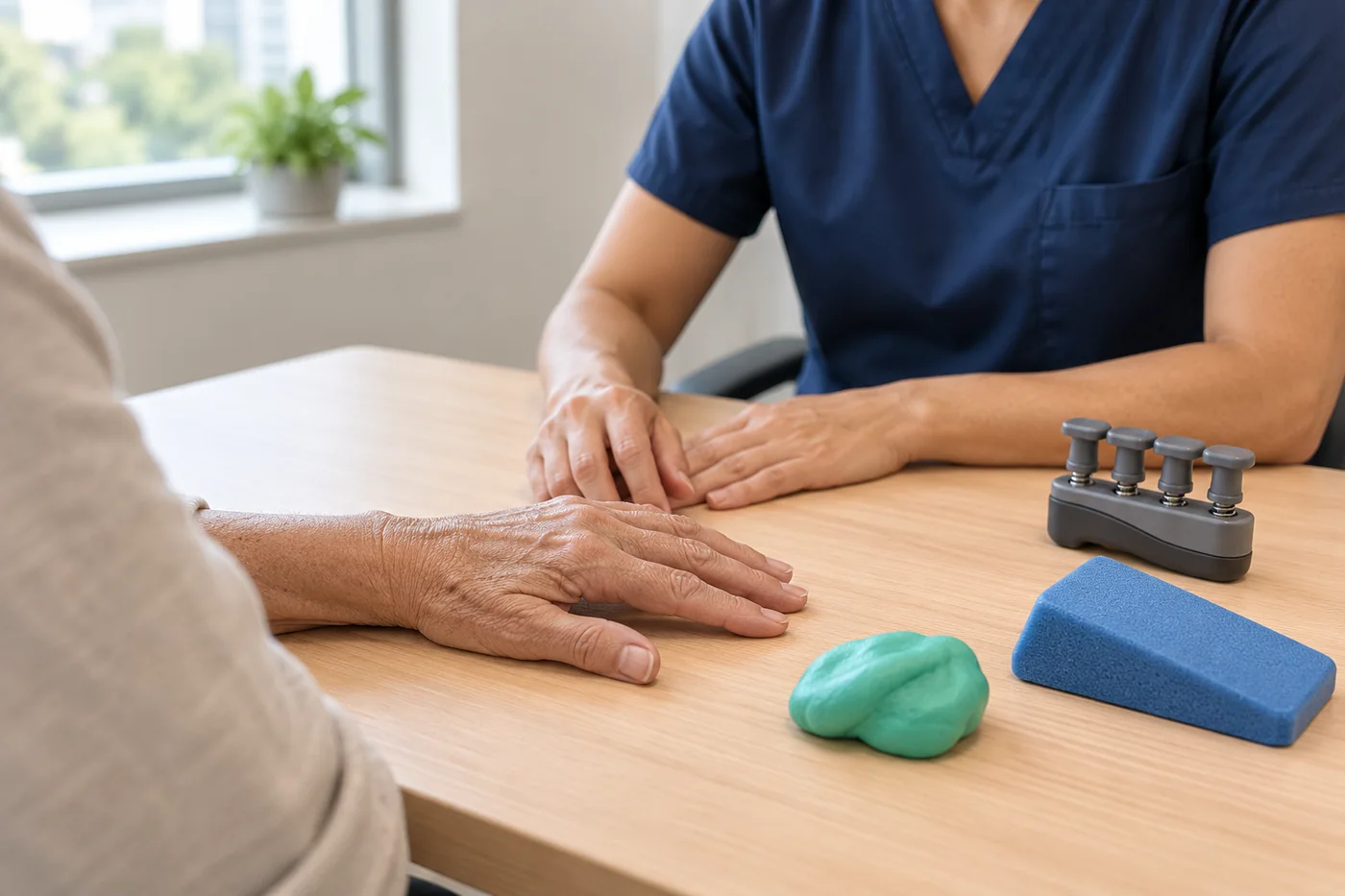

Release surgery may be considered when symptoms remain painful or limiting after suitable nonsurgical treatment, when the finger repeatedly locks or when it is stuck in a bent position.
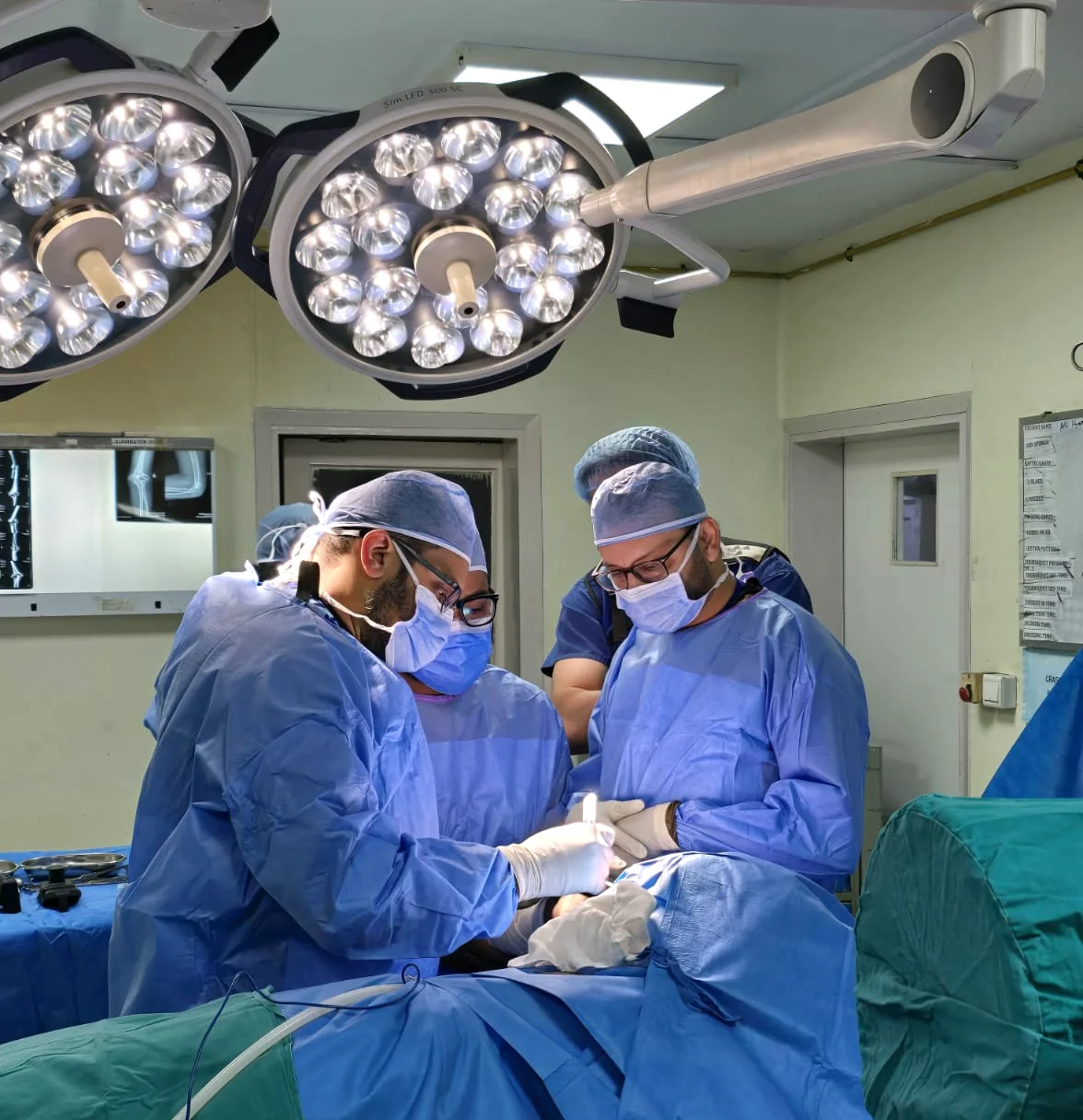
Timelines are guides only. The diagnosis, procedure, wound, therapy programme, job and associated injuries all influence recovery.
Elevate the hand, keep the wound clean and move the finger within the instructions provided.
Wound review and suture care where applicable; light daily use usually progresses.
Grip, scar comfort and range of motion are reviewed; manual work may need longer.
Residual swelling or stiffness can continue to settle over several weeks or months.

 4.96/555 verified reviews
Dr Shoaib Arshad is a fellowship-trained consultant orthopaedic hand and wrist surgeon with UK specialist training and more than 17 years in orthopaedic surgery.
General information only. Your diagnosis and treatment plan should be based on an individual medical assessment.
Some mild cases improve with activity changes, splinting or a steroid injection. Surgery is considered when symptoms persist, recur or the finger becomes fixed.
There can be brief discomfort. Local anaesthetic may be used, and the expected benefits and risks should be discussed before treatment.
The constricting A1 pulley is opened so the flexor tendon can move freely again.
Light use and finger movement often begin early, but gripping, wound care and return to work are progressed according to healing and job demands.
Dr Arshad sees private patients at The Highfield Hospital, Manchester Road, Rochdale OL11 4LZ — within easy reach of Manchester, Oldham, Bury, Bolton and the wider North West. You can book online through Circle Health Group, call +44 7443 213645, or send an enquiry and the team will help.
Request a specialist consultation and bring any previous imaging, reports, splints or treatment information.